Why Kedarkantha Trek is perfect for beginners- India Hikes
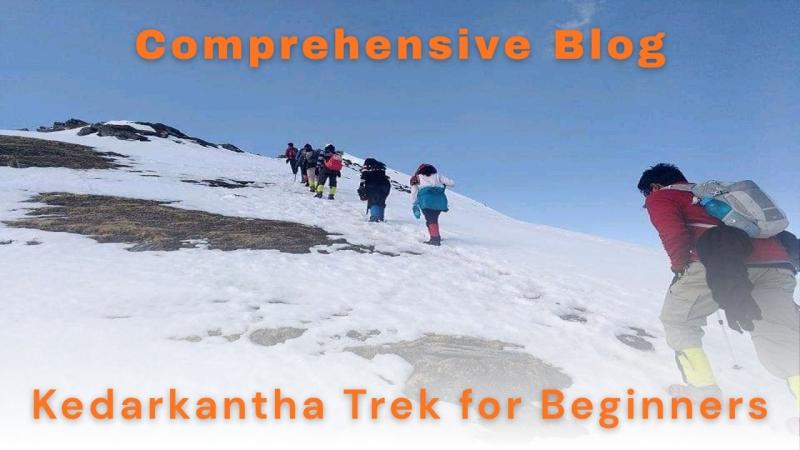
For anyone curious about Himalayan trekking, the Kedarkantha trek often appears as one of the most recommended starting points. Rising to an altitude of 12,500 feet (3,810 meters), this easy to moderate level trek offers the thrill of reaching a snowy summit without being overwhelming. It lies in the Govind Pashu Vihar National Park of Uttarkashi district in Uttarakhand, India—an area rich in biodiversity, cultural traditions, and pristine mountain landscapes.
Unlike extreme expeditions that demand ropes, oxygen cylinders, or technical climbing skills, Kedarkantha is accessible. Families, students, first-time trekkers, and even children have successfully completed it with proper preparedness. But the trek is not without its challenges—snowfall, steep ascents, and cold nights remind you that you’re truly in the Himalayas.
This balance—manageable difficulty with a rewarding summit—is exactly why Kedarkantha is such a good fit for beginners.
Why It’s Beginner-Friendly
Several features make Kedarkantha a safe and suitable trek for first-timers:
Gradual ascents (except summit day) give the body time to adjust.
Short distances per day (3–5 km) are manageable, unlike longer Himalayan routes.
Altitude of 12,500 ft is high but not extreme.
No technical climbing gear like ropes or axes required.
Well-marked trails prevent confusion.
Support system of local guides, trek leaders, and team members ensures safety.
Even children as young as 10 have participated with their families. Kedarkantha is accessible as other treks like Kuari Pass and Brahmatal. This accessibility, coupled with proper guidance and adherence to safety guidelines, makes Kedarkantha stand out among winter treks.
The Route: A Step-by-Step Journey
The journey begins from Sankri village, about 200 km from Dehradun. Sankri itself is a peaceful Himalayan settlement surrounded by pine forests, small shops, and wooden houses carved in traditional style. From here, the trek covers about 20–22 km over 3 to 4 days, depending on your pace and itinerary.
Day 1: Sankri to Juda ka Talab
-
Distance: 4 km | Time: 4–5 hours
-
Altitude gain: ~2,700 ft
The trail here winds through oak, deodar, and pine forests. Light filters gently through the trees, creating a magical atmosphere. Beginners may feel mild stiffness in their legs as they adjust to carrying backpacks and altitude, but the wide trail ensures safety. Even if you take breaks, the environment—with birdsong and mountain silence—keeps spirits high.
Day 2: Juda ka Talab to Base Camp
-
Distance: 3 km | Time: 2–3 hours
-
Altitude gain: ~1,000 ft
This day feels easier. The forest opens into meadows, and trekkers begin to notice snow patches in winter. Campsites here are set up in safe, open clearings. The walk is gentle, and many consider this the most pleasant day of the trek.
Day 3: Summit Day (Base Camp → Summit → Base Camp)
-
Distance: 8 km round trip | Time: 6–7 hours
-
Altitude gain: ~2,500 ft
Summit day is both the most challenging and the most rewarding. The ascent starts before sunrise, often around 3–4 am. Equipped with jackets, gloves, waterproof boots, trekking poles, and sometimes microspikes, trekkers begin the climb. The slope steepens to 40°–60° in sections, and snow underfoot can feel tricky.
Yet, as dawn breaks and the first light touches the snow, it’s hard not to stop and simply observe the wonder. At the summit, a 360-degree view reveals Swargarohini, Bandarpoonch, Black Peak, Ranglana, and the Yamunotri range. Standing there, with cold winds brushing your face, the effort feels completely worth it.
Day 4: Descent Back to Sankri
Going downhill feels deceptively easy, but trekkers must be cautious. Knees and ankles bear more load during descents, especially on snowy or slushy terrain. Trekking poles and supportive boots are essential to avoid sprains or minor fractures.
Kedarkantha Trek Feels Easy to Moderate
Calling Kedarkantha “easy” doesn’t mean it’s without effort. Beginners should be aware of:
-
Summit push: The steep final climb demands stamina and mental strength.
-
Snowfall and winter storms: Walking in knee-deep snow slows progress.
-
Cold nights: At base camp, temperatures can drop to -10°C or below. Layers, insulating jackets, hats, and gloves are essential.
-
Altitude effects: Breathlessness or mild AMS (Acute Mountain Sickness) may appear. Awareness and hydration are paramount.
With preparation, these challenges are manageable. They are part of what makes the success of finishing this easy to moderate trek so memorable.
The Natural Environment: Forests, Meadows, and Wildlife
The trek passes through diverse habitats and reveals the rich biodiversity of the Himalayas.
-
Forests: Tall deodars (known as divine trees in Sanskrit), oak groves, rhododendron clusters, and pine trees provide shade and stability against soil erosion.
-
Flora: In spring, wildflowers like Himalayan primroses, gentians, and flax bloom across meadows.
-
Fauna: The Govind Wildlife Sanctuary houses Himalayan black bears, barking deer, leopards, and marmots. Birdlife includes magpies, thrushes, and paradise flycatchers.
Respecting these fragile ecosystems is crucial. Responsible trekkers adopt Leave No Trace practices: no littering, no unnecessary firestarting, and minimal disturbance to wildlife. Observing local customs in villages like Sankri, Kotgaon, Gaichawan, and Mori also reflects good stewardship.
Seasonal Differences
Each season transforms Kedarkantha into a different trek:
-
Winter (Dec–Apr): Snow blankets the trail, making it feel moderate. Perfect for those who dream of pristine white landscapes.
-
Spring (Mar–Apr): Flowers bloom, and snow begins to melt. Easier walking with colorful scenery.
-
Summer/Autumn (May–Oct): Trails are clear, and the trek is at its easiest. Though less popular, this season is suitable for those who prefer mild conditions.
The decision of when to go depends on your preferences: winter wonderland with higher effort, or autumn ease with clearer trails.
Preparation and Fitness
To handle Kedarkantha successfully, fitness and preparedness are essential. Even though it’s beginner-friendly, training reduces risk of injuries like sprains, muscle stiffness, or fatigue.
Recommended Training Plan
-
Cardio: Running, cycling, brisk walking—build endurance. Aim for 5 km in under 40 minutes.
-
Strength: Squats, lunges, step-ups—train leg muscles for ascents and descents.
-
Core & Balance: Planks, yoga, and flexibility stretches—help with stability on snow and uneven terrain.
-
Mental preparation: Research the trek, know the routes, and carry a compass or maps. Visualizing challenges can reduce anxiety.
Lifestyle Habits Before Trek
-
Stay hydrated (2–3 liters daily).
-
Eat balanced meals rich in proteins, grains, and vegetables.
-
Avoid excessive alcohol or caffeine, which dehydrate the body.
-
Sleep 7–8 hours a night for recovery.
Preparedness is not just about physical strength but also about being mentally calm, carrying essential gear, and being adaptable.
Gear and Essentials
Packing the right equipment is paramount for safety and comfort:
-
Trekking boots: Waterproof, sturdy, with ankle support.
-
Warm clothing: Layers including jackets, thermals, gloves, hats.
-
Navigation tools: Maps, compass, and in some cases, GPS gadgets.
-
Trekking poles and microspikes: Useful in snow and steep ascents.
-
First aid kits: Include relievers, bandages, and supplies for minor injuries.
-
Emergency tools: Headlamp, extra batteries, and survival blanket.
-
Permits: Required for entry into Govind Pashu Vihar National Park.
Carrying essentials reduces risk during storms, snowfall, or unforeseen emergencies.
Campsites and Camping Lifestyle
Life on the trail is simple. Campsites are established in safe, open meadows, with tents providing shelter. Nights can be cold, but warmth comes from proper sleeping bags, insulating layers, and the shared energy of a supportive team.
Adjusting to camping—limited facilities, shared meals, and early mornings—is part of the Himalayan experience. Many trekkers cherish these memories long after the trek is finished.
Safety Guidelines and Precautions
-
Hydration is key: Drink regularly to avoid dehydration, especially at high altitudes.
-
Slow ascents: Do not rush; steady progress ensures acclimatization.
-
Observe signs of AMS: Headache, nausea, or dizziness should not be ignored.
-
Stay with the group: Participation as a team ensures support in emergencies.
-
Respect weather decisions: Guides may delay summit attempts during storms. Safety comes first.
-
Avoid unnecessary risks: Detours off marked trails can lead to injuries or accidents.
Carrying the right gear, following guidelines, and trusting your trek leaders make Kedarkantha safe even for first-timers.
The Reward: Success and Summit Memories
Reaching the top of Kedarkantha is more than just standing at 12,500 ft. It’s about observing sunrise from a snow-clad ridge, about sharing laughter with strangers who become a team, about realizing you can handle mountain challenges you once doubted.
The trek yields more than physical success—it offers confidence, peace of mind, and memories carved forever into your journey.
Final Thoughts
The Kedarkantha trek is not just easy for beginners but challenging enough to feel like an achievement. Its combination of manageable distance, non-technical trails, and rewarding summit views makes this easy-moderate level trek a perfect introduction to Himalayan trekking.
It’s not just a trek; it’s an education in patience, preparedness, teamwork, and respect for nature. Whether you go in winter for the snow or in spring for flowers, Kedarkantha offers a safe, organized, and truly memorable first adventure into the mountains.


Post Your Ad Here