Seasons in the Kullu Valley and How Its Green Landscapes Transform Throughout the Year

The Kullu Valley, a picturesque expanse shaped by the Beas River between Manali and Larji, lies cradled in the heart of Himachal Pradesh. Surrounded by the majestic Pir Panjal, Lower Himalayan, and Great Himalayan ranges, this verdant stretch is famed for its ancient temples, scenic charm, and slopes blanketed in pine and deodar forests with vibrant apple orchards accenting the terrain. As the Beas River snakes through the valley, it unveils breathtaking layers of woodland, where stately deodars rise high above the pines clinging to rocky outcrops below.
Beyond its beauty, Kullu Valley is quickly becoming a hub for winter sports like ski touring in the adjacent Himalayan highlands. The town of Kullu, perched on the Beas River banks and serving as the district headquarters, lies just 10 km from Bhuntar Airport. Despite its modest footprint, it plays a pivotal role in the region’s administration and cultural identity.
Spring (March to April): A Gentle Awakening
As the icy grip of winter loosens, spring arrives in Kullu Valley with a painter’s palette. The snow melts off ridges, sending crystal-clear streams cascading down hillsides, and the orchards burst into bloom. Cherry, plum, and especially apple trees wear pastel-colored crowns of flowers, creating a dreamlike setting.

Seasonal Highlights:
Rhododendrons and primulas pepper the trails.
Local shrines begin hosting spring rituals.
Treks like Bijli Mahadev and Malana become accessible.
The air is infused with the scent of blooming flora, while the trails offer crisp views of snow-dusted peaks above fresh green meadows. The rejuvenated valley is a haven for hikers, photographers, and those yearning for solitude.
Summer (May to June): The Valley of Adventures
Summer in the Kullu Valley is synonymous with energy. Fields are lush with crops, apple orchards form dense green corridors, and alpine meadows burst into life. This is the best time to dive into outdoor adventure: trekking, rafting, biking, and exploring high-altitude lakes.
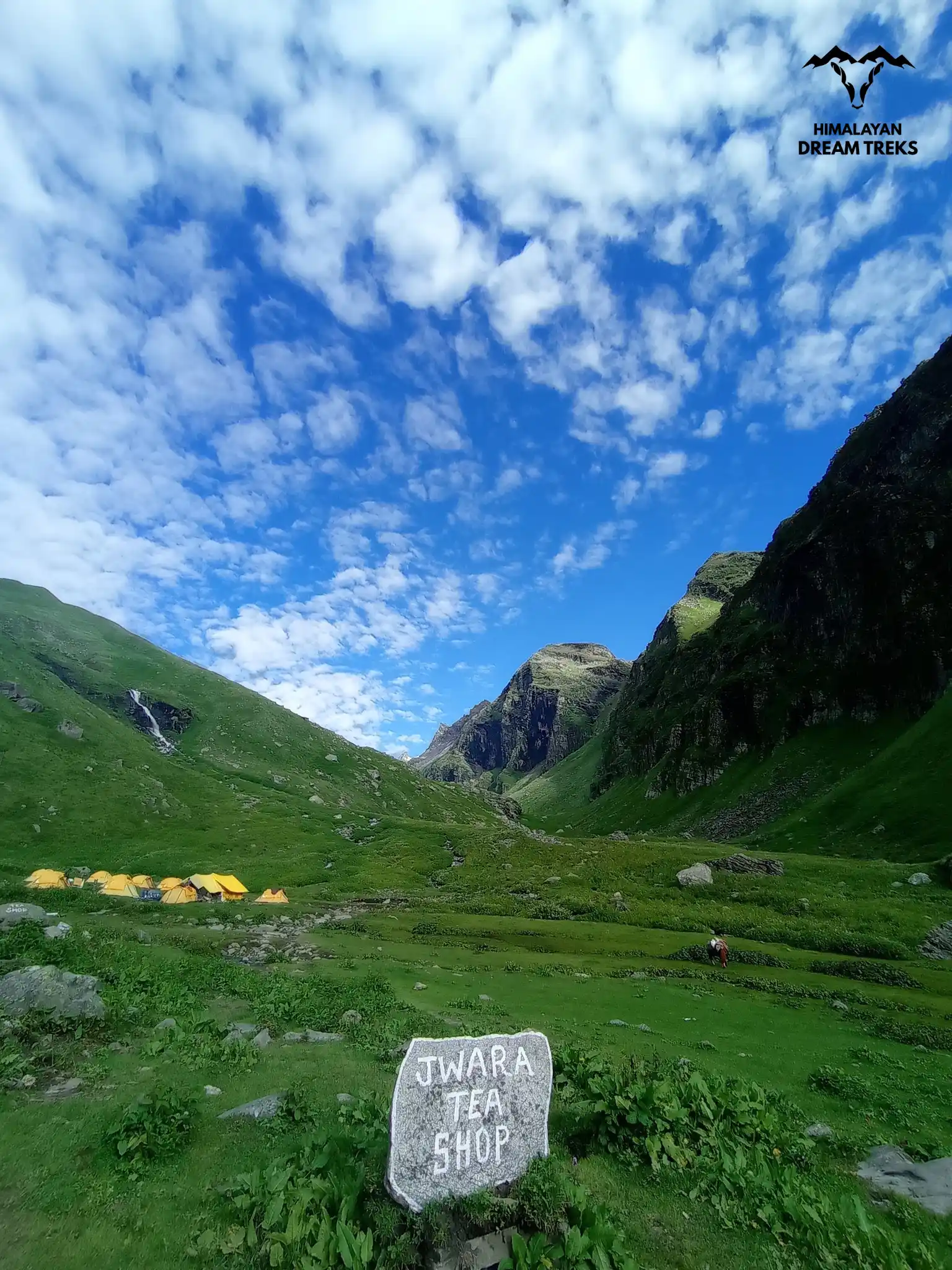
Trekking and Hiking
The Kullu Valley is a dream destination for trekkers. From easy scenic walks to high-altitude alpine expeditions, here are some of the top trekking trails:
Hampta Pass Trek – Situated at an elevation of 14,100 ft, Hampta Pass Trek is a perfect transition from the lush green and vibrant Kullu Valleys to the barren, yet mesmerising moonscape of Chandra Valley in Lahaul..
Chandrakhani Pass Trek – Famous for panoramic views and ancient legends.
Bhrigu Lake Trek – A high-altitude glacial lake with a mythological past.
Beas Kund Trek – Leads to the source of River Beas, surrounded by stunning peaks.
Malana Trek – Through dense forests to the mysterious village of Malana.
Bijli Mahadev Trek – Scenic day hike with spiritual significance.
Sar Pass Trek – A favorite among youth and backpackers.
Friendship Peak Expedition – For trained mountaineers, an alpine climb.
Rani Sui Lake Trek – Lesser-known but picturesque lake route from Manali.
Kheerganga Trek – Hot water springs at the end of a lush green trail.
Tosh Valley Trek – A laid-back route with views of the Parvati range.
These treks span spring to autumn, but summer remains the prime season to explore them comfortably.
Other Things to Do:
River Rafting on the Beas: The river swells in summer, offering Class II and III rapids. Rafting between Pirdi and Jhiri is an adrenaline-pumping experience that showcases the valley’s wild side.
Paragliding Adventures: Take flight from Dobhi, Solang Valley, or Naggar, and glide over sweeping green valleys and apple orchards with the Beas River flowing below.
Mountain Biking and Off-Roading: Rent a mountain bike or join a jeep safari to explore remote villages, forest trails, and viewpoints like Bijli Mahadev or Jana Waterfall.
Picnics and Local Cafes: Spend quiet hours by the river or in orchards near Raison or Katrain, where local cafés serve Himachali cuisine made from fresh summer produce.
Village Walks and Cultural Tours: Visit artisan villages like Naggar, once the capital of the Kullu kings, and interact with weavers, painters, and wood carvers. The Nicholas Roerich Art Gallery is also a must-visit.
Shopping in Local Bazaars: Kullu Shawls, woolen garments, and handicrafts are in high demand. The Sultanpur market and Akhara Bazaar are great for authentic souvenirs.
Attend Local Fairs and Festivals: While Kullu Dussehra is in October, smaller summer fairs like the Sainj Festival or Ghatasani Mela celebrate local culture with dance, food, and rituals.
As the Beas River weaves its way through the forested valley, its banks become home to pop-up cafes and picnic spots. The hillsides echo with the sounds of festivals and mountain music.
Monsoon (July to September): The Whispering Mists
Though often overlooked, monsoon in Kullu Valley is mystical. Forests darken into deeper greens, and low-hanging clouds blanket the peaks. Hidden waterfalls emerge and flow freely, and the rhythm of rain sets a calming backdrop.
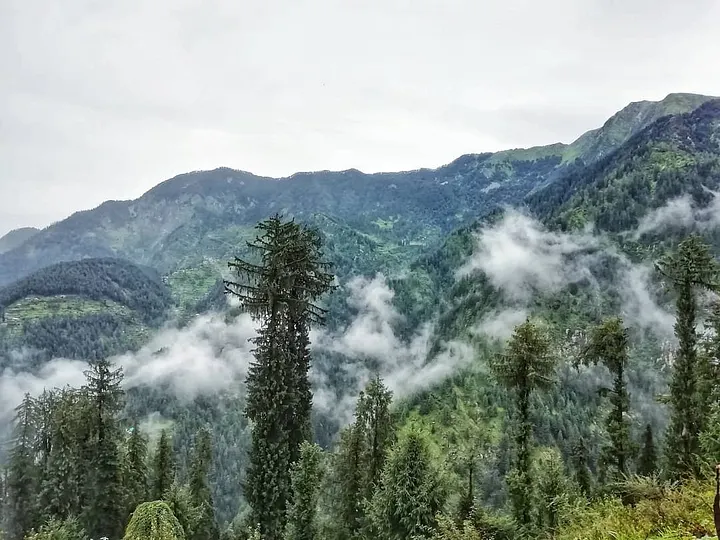
Why Visit During the Rains:
Seasonal waterfalls like Jana Falls are in full force.
Trails near Serolsar Lake and Kheerganga offer moody, fog-covered hikes.
Wildflowers bloom again, especially in higher valleys.
However, travel needs caution as landslides are a risk and routes can become slippery. Still, for writers, artists, or quiet wanderers, the monsoon valley is poetry incarnate.
Autumn (October to Mid-November): A Golden Interlude
With the monsoon departed, Kullu Valley dons a new robe. Apple harvesting is in full swing, golden leaves line the trails, and the air is rich with earthy aromas.
Seasonal Charm:
The legendary Kullu Dussehra takes place—one of North India’s most vibrant festivals.
Villages like Naggar and Patan become stunning with their golden foliage.
Great time for cultural exploration and peaceful hikes.
The temples of the valley echo with hymns, and local communities celebrate age-old rituals. If you’re looking to understand the spiritual fabric of the Himalayas, this is the season to visit.
Winter (Mid-November to February): A White Reverie
Winter in Kullu Valley casts a blanket of snow across the landscape. The higher reaches become accessible only to skilled trekkers, but the lower valley offers a magical retreat.
Experiences to Seek:
Skiing in Solang Valley and Gulaba.
Snow treks to Prashar Lake and Lamadugh.
Cozy village stays with warm hospitality.
At an altitude of 1200 m, Kullu town offers magnificent views of the Beas River and surrounding hills. Winter is when stories whisper through frozen pines and temples stand like sentinels in snow.
The Story of Kullu: More Than Just Seasons
Revered as the Valley of Gods, Kullu is wrapped in spiritual mystique and time-honored traditions. Every village has its own presiding deity—often enshrined in the tallest building—guiding daily life and community decisions. Many idols are cast in gold and are not only sacred but regarded as village protectors.
Notable sacred sites include:
Bijli Mahadev Temple, where lightning is believed to strike the Shiva lingam annually, shattering it, only for the priest to restore it until the next celestial bolt.
Adi Brahma Temple and Trijugi Narayan Temple, near Bhuntar.
Bajaura Temple, roughly 5 km from Bhuntar.
Raghunath Temple in Sultanpur, center stage during Kullu Dussehra.
Hadimba Devi Temple and Manu Temple in Manali.
Each of these places has a unique myth attached to it. For the patient listener or the wandering storyteller, the valley brims with living legends.
Geography Meets Culture: The Real Kullu Valley
Spanning from Manali to Larji, the Kullu Valley follows the meandering course of the Beas River, originating from Beas Kund in the lofty peaks above. The hillsides, cloaked in alternating layers of pine and deodar, shelter quaint hamlets where traditional Himachali life thrives.
Ski touring is gradually gaining popularity in the Himalayan slopes bordering the valley, blending traditional Himalayan charm with the pulse of modern exploration.
Why Kullu Valley Should Be Your Year-Round Destination
| Season | Landscape | Best Activities |
|---|---|---|
| Spring | Blossoms & Meadow Greens | Village treks, flower walks |
| Summer | Forests & Orchards | Trekking, rafting, paragliding |
| Monsoon | Misty Forests & Waterfalls | Quiet retreats, short hikes |
| Autumn | Golden Leaves & Culture | Dussehra, apple harvest, local lore |
| Winter | Snowy Terrain & Spiritual Calm | Skiing, snow treks, temple visits |
Whether you're drawn to its seasonal beauty, spiritual depth, or adventurous terrain, Kullu Valley is a destination that evolves with you. Return in a different season, and it will show you a different soul.
In every sense, Kullu isn’t just a valley—it’s a living legend.


Post Your Ad Here