How to Master Pranayama the Traditional Indian Way
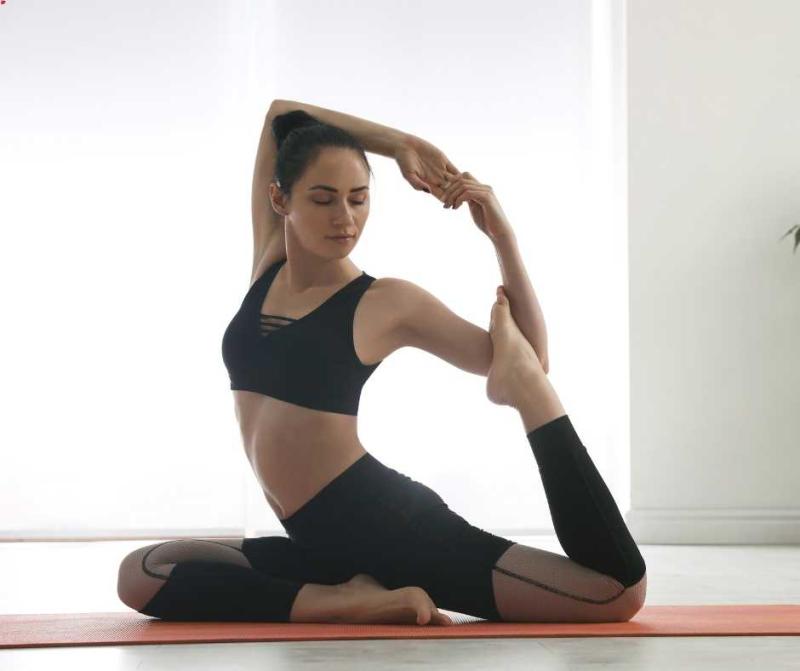
Pranayama—the yogic practice of controlled breathing—is often described as the bridge between body and mind. While asanas strengthen the body and meditation calms the mind, it is pranayama that integrates the two. Rooted in the ancient teachings of India, pranayama is more than a breathing technique; it is a path to transformation, balance, and spiritual awakening.
But how do you truly master pranayama in the traditional Indian way? It’s not about rushing through techniques or treating it as a fitness trend. Instead, it requires patience, discipline, guidance, and an understanding of yoga’s holistic philosophy.
Understanding the Roots of Pranayama
The word “pranayama” comes from two Sanskrit terms: prana (life force or vital energy) and ayama (to extend or regulate). Ancient texts like the Hatha Yoga Pradipika and Patanjali’s Yoga Sutras highlight pranayama as a central pillar of yogic practice.
In traditional Indian yoga schools and ashrams, pranayama is not treated as a stand-alone exercise. It’s deeply woven into the eight limbs of yoga (Ashtanga Yoga), where it follows asana practice and precedes meditation. This sequence prepares the practitioner’s body and mind for higher states of awareness.
The Traditional Path: Foundations Before Mastery
To master pranayama in the traditional way, you first need to build a strong foundation. In India, teachers emphasize the following steps:
1. Purification Practices (Shatkarma)
Before intense pranayama, students often learn cleansing practices like neti (nasal cleansing), kapalabhati (skull-shining breath), and dhauti. These clear the energy channels (nadis), remove toxins, and prepare the lungs for controlled breathing.
2. Learning to Sit Steady
Traditional teachers in India emphasize the importance of posture (asana) before pranayama. A stable, comfortable seat like Padmasana, Sukhasana, or Vajrasana ensures the spine is erect and the diaphragm can move freely.
3. Awareness of Natural Breath
Rather than jumping straight into advanced techniques, Indian gurus first train students to simply observe the breath. Awareness builds the foundation for deeper control.
Core Pranayama Practices in Indian Tradition
Once the body and mind are prepared, students progress to classical pranayama techniques. The most commonly taught include:
-
Anulom Vilom (Alternate Nostril Breathing): Balances the left and right energy channels (ida and pingala nadis), fostering mental clarity and calmness.
-
Bhramari (Bee Breath): Uses humming vibrations to calm the nervous system and reduce stress.
-
Ujjayi (Victorious Breath): Creates internal heat, improves focus, and supports meditative states.
-
Sheetali & Sheetkari (Cooling Breaths): Reduce body heat, soothe stress, and balance energy during hot climates.
-
Kapalabhati (Skull-Shining Breath): A cleansing practice that energizes the body and clears the mind.
In India, these practices are taught progressively, with great care taken to match each student’s capacity.
The Role of Guidance
One of the most important aspects of mastering pranayama in the traditional Indian way is the presence of a teacher (guru). Breathing practices directly influence your nervous system and energy body. Without proper guidance, they can cause imbalance.
At yoga schools and ashrams in Rishikesh, Kerala, or Mysore, students learn pranayama under the supervision of experienced masters who tailor techniques to individual needs. This teacher-student relationship ensures safety, progress, and deeper understanding.
Discipline and Lifestyle Integration
Pranayama mastery doesn’t stop when you leave the yoga hall. Traditional Indian teaching emphasizes:
-
Consistency: Practicing daily, ideally in the early morning (Brahma Muhurta).
-
Diet: A sattvic (pure, balanced) diet—light, vegetarian, and nourishing—supports the subtle work of pranayama.
-
Silence & Stillness: Creating quiet space for breathwork deepens its impact.
-
Mindset: Approaching pranayama as a sacred practice, not just a physical technique.
When practiced with discipline, pranayama transforms not only your breathing but also your emotional state, energy, and spiritual awareness.
Benefits of Traditional Pranayama Practice
Mastering pranayama the Indian way unlocks profound benefits:
-
Physical Health: Improves lung capacity, oxygen circulation, digestion, and immunity.
-
Mental Clarity: Reduces anxiety, stress, and emotional turbulence.
-
Energy Balance: Awakens prana, clears energy blockages, and revitalizes the body.
-
Spiritual Growth: Prepares the mind for meditation and higher states of consciousness.
Many students of 200 hour yoga teacher training in India or 500 hour advanced courses find pranayama to be one of the most transformative parts of their journey.
Final Thoughts
To master pranayama in the traditional Indian way is to embrace patience, discipline, and reverence for yoga’s roots. It’s not a quick fix, but a gradual unfolding that transforms both body and soul.
By practicing under skilled guidance, honoring preparatory steps, and integrating pranayama into daily life, you’ll discover that breath is more than just oxygen—it’s the gateway to inner stillness, strength, and spiritual awakening.

Post Your Ad Here
Comments