India Hidden Classroom Lessons You will Never Read in Yoga Books
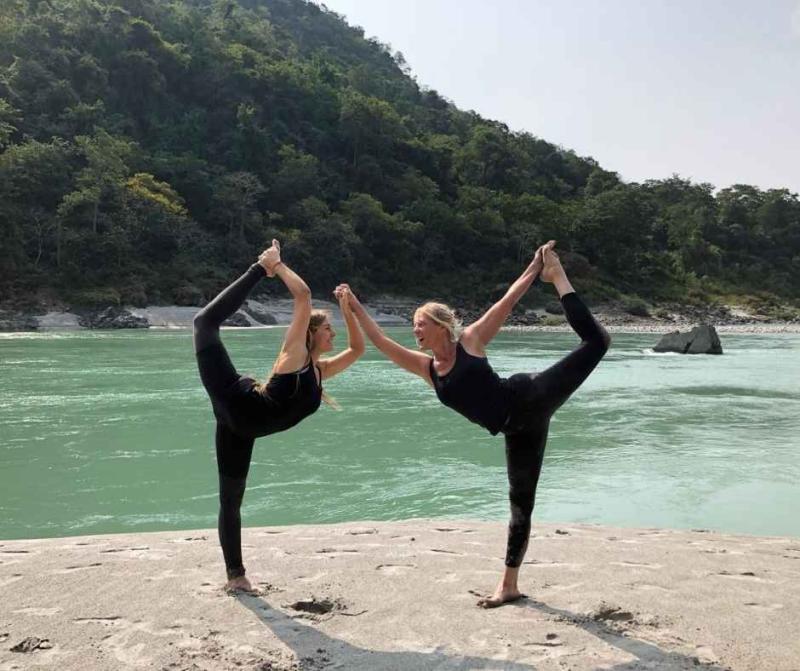
When most people think of yoga teacher training in India, they imagine structured classes, detailed manuals, and endless notes on anatomy or philosophy. But the real magic of studying yoga in India often lies beyond the textbooks. In the ashrams, streets, mountains, and riversides of this ancient land, lessons unfold naturally—lessons no yoga book could ever capture. These unspoken teachings form India’s hidden classroom, shaping students into more mindful, grounded, and compassionate yogis.
Learning Through Daily Life in an Ashram
Life in an Indian ashram is one of simplicity and discipline. You may read about self-control in the Yoga Sutras, but it’s when you wake up before sunrise, eat sattvic meals in silence, and share dormitories with fellow seekers that discipline becomes a lived experience. The rhythm of ashram life teaches patience, resilience, and surrender. It reminds you that yoga is not just what happens on the mat but also in how you live every moment.
Nature as the Ultimate Teacher
Yoga books can explain the importance of grounding, but sitting by the Ganges or meditating in the Himalayan foothills teaches it in ways words cannot. The mountains encourage humility, the flowing rivers whisper about letting go, and the vast skies invite expansion. These encounters with nature allow students to embody yoga philosophy intuitively. India’s landscapes themselves become a teacher, guiding students to live in harmony with their surroundings.
The Power of Silence and Stillness
Silence, or mauna, is often encouraged during 200 hour yoga teacher training. While a manual might describe it as a spiritual practice, experiencing silence for several days transforms your relationship with your own mind. Without distractions, you begin to witness your thoughts and emotions clearly, developing self-awareness and inner calm. These lessons in stillness cannot be learned through reading—they must be lived.
Cultural Immersion and Unexpected Teachers
India itself becomes a vibrant classroom. From shopkeepers in Rishikesh who remind you to smile, to priests performing ancient fire ceremonies, every interaction is a lesson in humility, gratitude, and openness. Even navigating crowded markets or taking long train journeys teaches patience and adaptability—skills essential for both yoga practice and teaching.
Surrendering to the Unknown
One of the deepest hidden lessons 200 Hour yoga teacher training in India offers is the art of surrender. Travel plans change, power cuts happen, classes shift, and sometimes your comfort zone is stretched beyond recognition. Instead of resisting, you learn to flow with life. This surrender is at the heart of yoga—a union with what is, rather than a fight against it.
Why These Lessons Matter as a Yoga Teacher
While anatomy, sequencing, and alignment techniques are vital, the subtle wisdom gained from India’s hidden classroom makes you a more authentic teacher. You don’t just recite philosophy—you embody it. You teach from lived experience, making your guidance more impactful for future students.
Conclusion
India’s hidden classroom is not found in manuals or lectures but in shared meals, silent mornings, cultural encounters, and the unpredictability of daily life. These lessons stay with you far longer than any book knowledge, shaping not just your practice but your very way of being.
So, if you’re considering a yoga teacher training in India, know this: you’ll gain much more than a certificate. You’ll step into a living classroom where every moment—on or off the mat—teaches you something profound about yourself and the world.
Post Your Ad Here
Comments