How Entrepreneurs Use 3D Printing Services to Launch Products
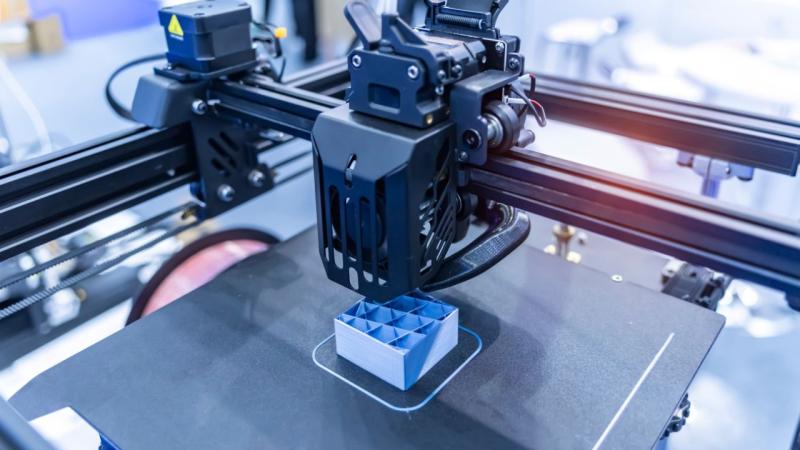
Starting a business or launching a product usually involves
a long list of expenses, design revisions, and logistical challenges.
Entrepreneurs often face limitations in budget, time, and access to traditional
manufacturing resources. In this context, 3D printing services are becoming a
practical way to move from concept to real product with fewer barriers.
Making Prototyping More Accessible
For many entrepreneurs, the first major step is to turn an
idea into something tangible. That usually means creating a prototype.
Traditionally, this would involve machining, mold-making, or waiting on
overseas suppliers, all of which take time and come at a high cost.
With 3D printing, a prototype can often be created directly
from a digital model. It allows the product to be tested for shape, size, and
basic functionality before any major investment is made. If changes are needed,
the model can be adjusted and printed again without restarting the whole
process. This flexibility is a key advantage for entrepreneurs working under
tight deadlines or limited budgets.
Supporting Product Iteration
Launching a successful product often means going through
several design versions. Each one may involve improvements based on testing,
feedback, or new insights. The ability to quickly print and compare new
iterations helps speed up this cycle.
Entrepreneurs can try out multiple design changes in real
time, rather than sending plans back and forth with external manufacturers.
This keeps the creative and problem-solving process under the entrepreneur’s
control, which is helpful when trying to refine the user experience or optimize
functionality.
Reducing Production Risk
Manufacturing at scale involves upfront costs that many
startups want to avoid. It is not always clear how a product will be received
by the market, and committing to thousands of units before testing demand can
be risky.
3D printing helps reduce this risk by supporting short-run
production. Entrepreneurs can produce a small batch of products to validate
their business idea without committing to molds, tooling, or warehouse space.
This lowers the initial investment and gives them a chance to make data-driven
decisions before scaling up. You can learn more about how different types of 3D
printing technology support product development at https://www.upsideparts.com/3d-printing
Customization for Niche Markets
Another advantage of 3D printing is the ability to create
highly customized parts or products without changing the production process.
For entrepreneurs working in niche markets or with specific client needs, this
can open up opportunities that traditional mass production does not support.
For example, small companies can offer personalized items or
flexible configurations without slowing down production. This is especially
useful in areas like wearable tech, home products, or specialized tools where
customer input can influence design.
Moving Toward Launch
Once a product design is finalized, 3D printing can even be
used to create end-use parts. Some entrepreneurs use it for their first round
of customer orders, especially for complex shapes or low-volume needs. Others
may use it to prepare for meetings with investors or retailers by showcasing a
working model.
For these reasons, 3D printing continues to play a role in
how entrepreneurs bring their ideas to market. It helps remove common barriers
and supports the process from early testing to production-ready parts.
Post Your Ad Here
Comments