Why Rush Hour Creates More Than Just Traffic Jams
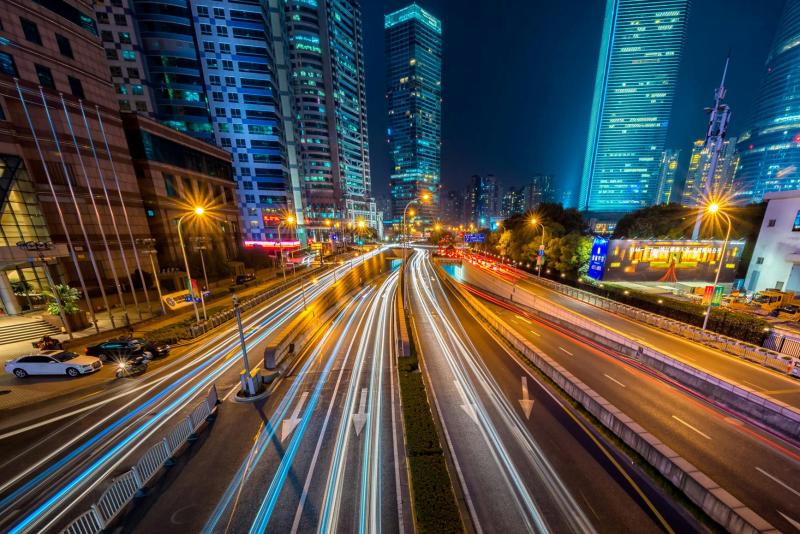
Rush hour is
not just a simple issue that causes individuals to spend an hour or two of
their lives in traffic jams every day; it is a bigger issue that affects more
than a daily commute to work or home. Individuals also spend a large portion of
their day in traffic jams, which can impact a person’s mood, stress levels, and
even physical health. Rush hour is not only a traffic jam, but it also
indirectly endangers your health, productivity and even social life and it
demands some positive social resolutions.
Stress
and Mental Pressure
Long commute
hours increase stress levels among people. People get anxious, fearing
tardiness with their work and commitments, facing backlash, or spending less
time with their family. Feeling helpless in traffic causes irritability and
quick mood changes. Daily driving struggles end in mental fatigue and leave you
exhausted, even before you start a workday. The regular stresses of being on
the road might also strain relationships and leave your encounters hanging on а
thread. Anxiety, forgetfulness, and impatience can result in а road accident
and confrontations with other road users or pedestrians.
Physical
Health Issues
Driving for
long hours has a bad impact on your physical health and routine as well.
Sitting in а car for long hours results in back problems, and a sedentary
lifestyle negatively affects your physical fitness. Traffic jams imply that
your lungs breathe toxic gases, which have а serious impact on your respiratory
system. The noise, jerk, and gasoline smell all lead to fatigue and headaches. Irregular schedules and late arrivals affect а person’s
sleep patterns and ultimately impact their health. Physical manifestations from
everyday gridlock can be avoided with frequent layovers, better car settings,
and taking time for regular physical activities to be healthy.
Lost
Time and Productivity
Crowded roads
steal your personal time and drain your day-to-day productivity. Time spent in
traffic could be invested in personal activities, family fun, or a little time
for a rest or self-indulgence. Stressful long drives to work or home take a
toll on your concentration and performance back at work. Traffic alone is the
delaying factor for appointments, resulting in missed opportunities. Sole
entrepreneurs, deliveries, and employees face prolonged working hours and
narrow margins due to lost productive hours. Overall, slow travel and heavy
congestion make it harder to get the most out of a day’s work.
Road
Safety Concerns
Rush hour
also leads to serious security challenges on highways and roads. A greater
number of vehicles on the road has led to а high chance of vehicle collisions
and car accidents. Drivers can get distracted by а text, thinking about their
errands or tasks, or conversations they have, which takes their attention away
from the road. Impatience due to delays makes riders reckless and more likely
to ignore а stop sign, increasing the risk of crashes. Before planning to
travel, it is useful to review relevant traffic information. For instance, а California
Highway Patrol crash report provides detailed records of past collisions
in the region and contributing factors, helping drivers understand
accident-prone areas. Early emergency services may also be delayed during heavy
congestion, as roads can become blocked, overcrowded, and difficult to reach.
Environmental
Consequences
Rush hour
traffic brings adverse effects to the environment, with people sitting in cars
and running engines that consume additional fuel, contributing to the pollution
of air quality. Traffic also pollutes the cities more with all due extra
honking and vehicle sounds. The concentrated emissions and delayed commutes
adversely affect climate change. Even small deteriorations in air quality can
contribute to these issues and damage a city’s urban quality of life.
Progressing settlements, improper planning, and heavy traffic will intensify
these effects. Sometimes, you can enhance pedestrian and bike movement and
encourage а greener lifestyle to protect yourself, your city, and the planet.
Conclusion
Rush hour
affects your life in many ways. It brings traffic jams, stress, and mental
health struggles, while also causing physical problems, reduced productivity, а
safety risk, and harmful urban and environmental impacts. Raising public
awareness of the sound planning of daily commuting habits and better urban
planning will help even minor initiatives, such as carpooling and public
transportation, and alternative routes, which aim at making routine travel
easier. Reducing rush hour requires a coordinated effort where you, as an
individual, and your community unite to relieve daily stress and frustrations.

Post Your Ad Here
Comments