Inflammation and Acne: The Overlooked Role of Cellular Health
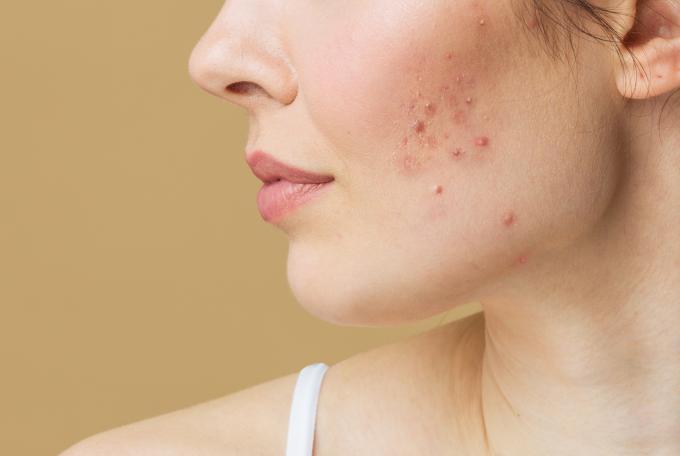
Acne
is often seen as a surface-level problem, but in reality, it begins much
deeper. Behind every breakout lies a mix of factors such as hormones, oil
production, and bacteria. One of the most overlooked pieces of this puzzle is cellular health. When cells inside the
skin are under stress, they trigger inflammation. This inflammation worsens
acne, slows down healing, and increases the risk of scars.
Why Inflammation Matters in Acne
Inflammation
is the body’s natural defense mechanism. It helps fight infections and repair
damage. But when this process becomes excessive, it creates problems. In acne,
the skin pores get clogged with oil and dead skin cells. Bacteria thrive in
this environment and trigger the immune system to respond. White blood cells
rush to the area, and the skin becomes red, swollen, and painful.
For
some people, the inflammatory response is stronger than normal. This explains
why two individuals with the same level of clogged pores may experience acne
differently. One may have mild blackheads, while the other suffers from large,
inflamed cysts. The difference often lies in how their cells manage stress and
inflammation.
The Link between Cellular Health and Skin
Cells
are the building blocks of skin. Healthy cells can repair damage, balance oil
production, and fight bacteria more effectively. When cells are weak due to
oxidative stress, poor nutrition, or environmental toxins, they release more
inflammatory signals. This increases redness, swelling, and the size of acne
lesions.
Poor
cellular health also slows the skin’s ability to heal. This is why inflamed
pimples often leave behind scars or dark spots. Supporting cell function is
therefore critical in managing acne long-term.
Alternative Approaches to Cellular Support
While
topical creams and antibiotics target surface bacteria, modern treatments are
now exploring deeper solutions. One emerging method is the use of light-based
therapies. For example, many dermatologists are recommending red light therapy for acne. This gentle, non-invasive treatment
works by penetrating the skin and stimulating cellular energy production. By
enhancing mitochondrial function, red light reduces inflammation and speeds up
healing. People often notice less redness and quicker recovery from breakouts.
Unlike harsh medications, it does not dry out the skin or cause major side
effects, making it a supportive option for improving cellular health.
Role of Cellular Energy in Acne
Mitochondria,
the tiny powerhouses of cells, produce energy needed for repair and defense. If
they are not functioning well, cells cannot recover quickly. Research shows
that mitochondrial dysfunction can raise oxidative stress and trigger chronic
inflammation. In the skin, this results in stubborn acne that doesn’t respond
well to regular treatments.
Supporting
mitochondrial health through diet, antioxidants, and lifestyle changes can help
reduce inflammation. Foods rich in omega-3 fatty acids, vitamin C, and zinc
play an important role in this process.
Stress, Hormones, and Their Impact on Cells
Stress and hormonal changes also affect
cellular function. Stress hormones like cortisol increase oil production and
reduce the skin’s natural barrier. This makes pores more likely to clog and
inflame. On a cellular level, high stress leads to the release of free
radicals, which damage healthy skin cells.
Hormonal
imbalances, such as those during puberty, menstrual cycles, or certain health
conditions, can overstimulate oil glands. When combined with poor cellular
defense, this results in aggressive, inflamed acne.
Lifestyle Habits That Strengthen Cellular
Health
Taking
care of the skin from within is just as important as using external treatments.
Here are some habits that support cellular health and reduce acne-related
inflammation:
1.
Balanced Diet – Include fresh fruits, vegetables,
whole grains, and lean proteins. Avoid highly processed foods and excess sugar,
as they increase inflammation.
2.
Hydration – Drinking enough water helps cells
flush out toxins and maintain healthy skin function.
3.
Adequate Sleep – During sleep, cells repair damage.
Poor sleep weakens cellular function and worsens acne.
4.
Stress Management – Practices like meditation, yoga, or
even regular exercise reduce stress hormones that harm skin cells.
5.
Avoid Harsh Products – Overuse of
strong cleansers and scrubs can damage the skin barrier and make inflammation
worse.
The Future of Acne Care: A Cellular
Perspective
Most
acne treatments in the past focused on controlling oil or killing bacteria.
While these are important, they often overlook the role of cellular health. By
strengthening cells, we can help the skin defend itself naturally, heal faster,
and reduce the chance of long-term scarring.
Emerging
research is now exploring therapies that directly target cell function.
Antioxidant skincare, light-based therapies, and personalized nutrition plans
are showing promise in reducing inflammation at its root. This holistic
approach offers hope for people who struggle with acne despite using
conventional treatments.
Final Thoughts
Acne
is more than a surface-level skin issue. It is deeply connected to the health
of skin cells and their ability to handle inflammation. When cellular health is
ignored, treatments may only provide temporary relief. But when we strengthen
cells, reduce oxidative stress, and support energy production, the skin becomes
more resilient.
Whether
through balanced nutrition, stress control, or advanced options like red light
therapy, focusing on cellular health is the missing piece in acne care. By
addressing inflammation at the root, we can move beyond temporary fixes and
achieve clearer, healthier skin in the long run.
Post Your Ad Here
Comments