Sudden Hair Loss: Causes and What You Should Know
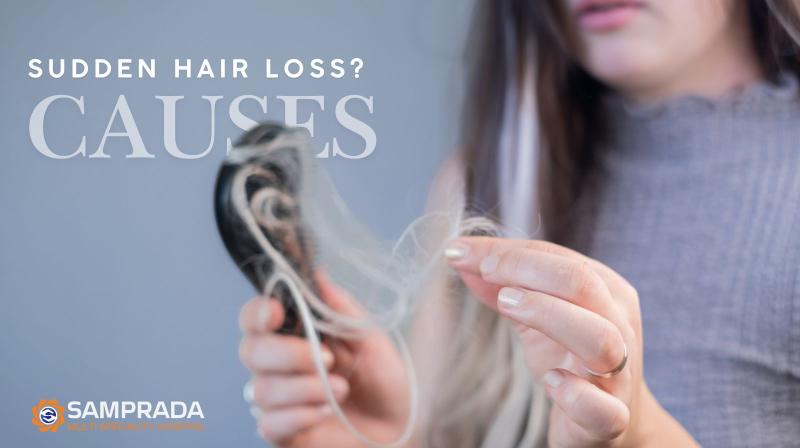
Hair loss is a common issue faced by many individuals at various stages of life. However, when hair starts falling out suddenly and excessively, it can cause significant distress. Understanding the reasons behind this condition is the first step toward effective treatment. At Samprada Hospital, we believe in educating and guiding our patients with clarity and compassion. Let’s explore the possible causes of sudden hair loss and when to seek medical help.
What Is Sudden Hair Loss?
Sudden hair loss refers to a noticeable and rapid shedding of hair, often resulting in thinning of the scalp or even bald patches. Unlike regular hair fall, which is part of the natural growth cycle, sudden hair loss is usually triggered by underlying health conditions or lifestyle imbalances.
Common Medical Causes of Sudden Hair Loss
Thyroid Disorders
One of the most common causes of hair loss is an imbalance in thyroid hormones. Both hypothyroidism (low thyroid function) and hyperthyroidism (overactive thyroid) can disrupt the normal hair growth cycle.
- Thyroid hormones influence the health of hair follicles.
- Imbalance can lead to hair becoming dry, brittle, and prone to falling.
If you're experiencing hair loss along with fatigue, weight changes, or mood swings, it’s essential to get your thyroid levels checked.
Nutritional Deficiencies
Hair health depends heavily on your nutritional status. A lack of essential nutrients like:
- Iron
- Zinc
- Biotin
- Protein
can lead to hair loss, especially in women. In fact, studies show that 50–75% of women with hair loss may have iron deficiency. Malnutrition, crash dieting, and digestive disorders that impair absorption can all contribute to this condition.
Polycystic Ovary Syndrome (PCOS)
PCOS is a hormonal disorder affecting women of reproductive age and is a leading cause of hair thinning and hair loss on the scalp. This condition causes an increase in male hormones (androgens), which can shrink hair follicles and lead to:
- Thinner hair strands
- Patchy hair loss
- Increased hair growth in unwanted areas (like face or chest)
If you’re experiencing irregular periods, acne, or weight gain along with hair loss, it’s advisable to get evaluated for PCOS.
Side Effects of Medications
Certain medications and supplements can have hair loss as a side effect. These include:
- Iron and zinc supplements (if taken in excess)
- Steroids
- Hormonal therapies
- Antidepressants
- Chemotherapy drugs
- Blood pressure medications
Always consult a doctor before starting or stopping any medication if you notice hair fall.
Mental Health and Stress
Chronic stress, anxiety, and depression have a deep connection with hair loss. Conditions like Telogen Effluvium—a type of temporary hair loss—can be triggered by:
- Emotional shock
- Prolonged stress
- Trauma or major surgery
When you're stressed, your body redirects its energy toward vital functions, leading to poor scalp health and increased hair fall.
When to Seek Medical Help
If your hair loss is:
- Sudden and excessive
- Accompanied by other health symptoms (fatigue, acne, irregular cycles)
- Leaving bald patches or visible thinning
It’s time to consult a healthcare provider.
At Samprada Hospital, our General Medicine and Dermatology departments work together to provide a holistic evaluation. We assess hormone levels, nutritional status, lifestyle, and any underlying medical conditions to offer the right treatment.
Post Your Ad Here
Comments