Exploring the Boundless Potential of Computer Vision in Healthcare, Retail, and Beyond
Artificial intelligence has quickly moved from research rooms to fields that affect our daily lives. Computer vision is at the center of this change. In order for machines to understand and process visual information from their surroundings, computer vision is needed. This helps connect how humans see things with how computers think. There are many areas where it can be used, but healthcare, shopping, and other areas are seeing especially big benefits.
Computer Vision in Healthcare
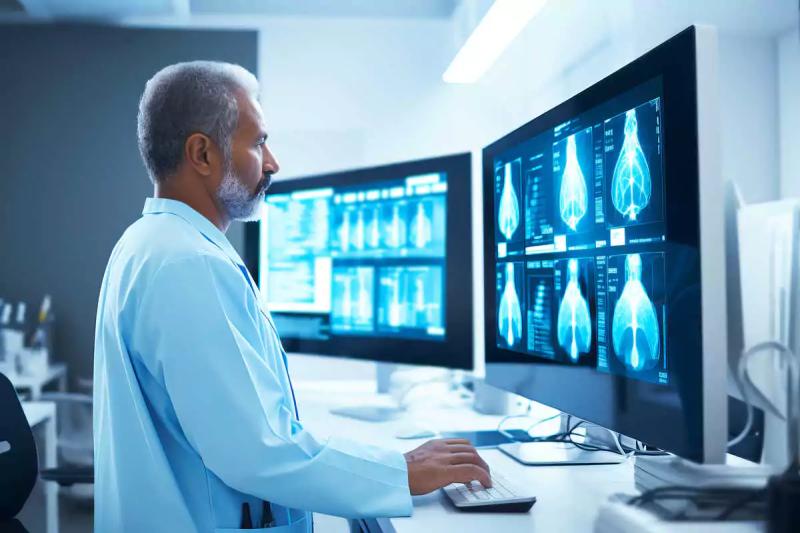
Healthcare is one of the most impactful domains for computer vision. Medical professionals face the constant challenge of analyzing complex images, from X-rays to MRIs. Expert analysis has been a big part of this process in the past, but it can take a long time and be mistaken. Advanced algorithms can scan medical pictures very quickly and accurately with computer vision, on the other hand.
For instance, computer vision models can detect early signs of tumors, fractures, or retinal diseases that might otherwise go unnoticed in their initial stages. This doesn’t replace doctors but instead acts as a supportive tool, ensuring more accurate diagnoses and quicker decision-making. Beyond diagnostics, computer vision aids in surgery as well. Robots guided by visual recognition systems can assist surgeons with high-precision procedures, reducing risks and improving patient outcomes.
Additionally, the technology is increasingly applied in patient monitoring. From tracking patient movements to preventing falls in hospital rooms, computer vision adds an extra layer of safety and efficiency to modern healthcare environments.
Revolutionizing Retail with Computer Vision
Retail is another sector being reshaped by computer vision. Today’s consumers expect seamless, personalized shopping experiences, both in-store and online. Computer vision plays a vital role in meeting these expectations.
In physical stores, smart cameras equipped with vision technology track customer movements, providing valuable insights into shopping behavior. Retailers can learn which aisles attract the most attention, how long customers spend in certain areas, and even predict purchasing decisions. This data helps businesses improve store layouts and marketing strategies.
Another breakthrough is the rise of cashier-less stores. By using computer vision systems to automatically identify items shoppers take from shelves and charging them upon exit, retailers eliminate long checkout lines and streamline the shopping experience. Online, computer vision enhances product recommendations by analyzing customer preferences from uploaded photos or browsing patterns.
Even supply chains benefit—computer vision systems can inspect product quality, manage inventory, and detect damaged goods with efficiency that far surpasses manual checks. Ultimately, the technology not only drives sales but also builds loyalty through better customer experiences.
Beyond Healthcare and Retail
While healthcare and retail highlight some of the most striking advancements, computer vision’s reach extends much further. In transportation, autonomous vehicles rely heavily on vision systems to recognize road signs, detect pedestrians, and navigate safely. In agriculture, drones with computer vision monitor crop health, identify pests, and optimize irrigation, helping farmers boost productivity sustainably.
Security and surveillance also see significant improvements, as vision technology enables real-time facial recognition, anomaly detection, and crowd monitoring. Similarly, manufacturing plants deploy computer vision for quality assurance, ensuring defective products are flagged before they reach consumers.
The Road Ahead
The future of computer vision is promising, but it comes with challenges. As adoption grows, businesses need to deal with important problems like privacy, data security, and moral use. Responsible deployment, along with transparent policies, will determine how widely society embraces this technology.
Nevertheless, the potential is boundless. As algorithms improve and computing power increases, computer vision will continue to transform industries, making processes smarter, faster, and more reliable. From diagnosing illnesses earlier to redefining the way we shop and drive, computer vision is not just a technological advancement—it is a catalyst for a smarter, safer, and more connected world.
Post Your Ad Here
Comments