Keeping Wheels Turning: The Importance of Fleet Management and Regular Inspections
The road doesn’t care about schedules. It doesn’t bend for deadlines or soften for budgets. Every mile is a test of metal, rubber, and the decisions made long before the engine started. For anyone responsible for a fleet, the difference between a smooth operation and a costly chaos often comes down to what happens when no one is watching.
Fleet management isn’t about spreadsheets and compliance checklists, though those elements are part of it. It is about recognizing that every vehicle is a promise to deliver, to arrive, and to return. Breaking that promise is a failure that ripples through schedules, reputations, and bottom lines.
The best operators know this; they don’t wait for breakdowns to remind them what is at stake. They build systems that catch problems before they start, because the cost of prevention is always less than the cost of repair and regret.
The Cost of Neglect
Contrary to popular belief, a vehicle that fails on the road isn’t just a mechanical issue. Usually, it is a cascade of missed deliveries, frustrated customers, drivers stranded in unfamiliar places, and the scramble to find replacements.
There is the lost time, the damaged trust, and the domino effect on every other job that vehicle was supposed to handle. The real expense of neglect isn’t measured in parts and labor, but in the opportunities that slip away while everyone is busy putting out fires.
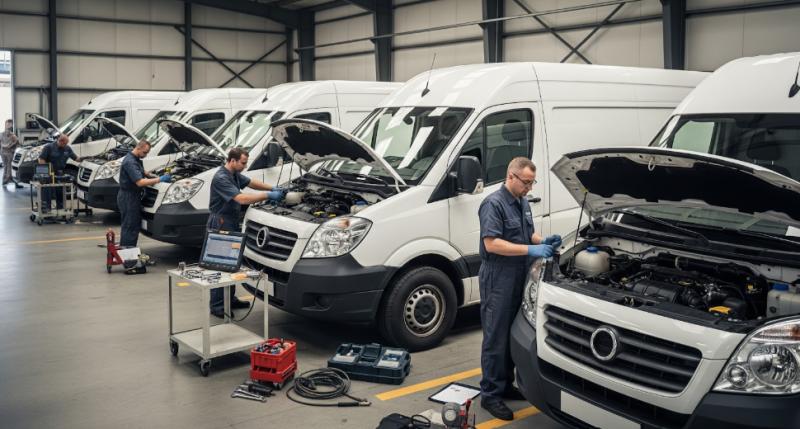
Regular inspections are the first line of defense. They should focus on spotting the small things before they become big ones. A worn belt, a flickering light, a tire that’s just a little too smooth — these are the warnings that, if ignored, turn into full-blown crises.
Don’t treat inspections as a chore! Rather, treat them as an investment. Every minute spent checking brakes or testing batteries is a minute that won’t be spent on the side of the road, watching the clock and the profit margin tick away.
Sadly, inspections alone aren’t enough. They need to be part of a larger approach, one that tracks trends, anticipates wear, and turns data into action. That’s where straightforward fleet management systems come in. These make the difference between reacting to problems and preventing them. A good system doesn’t just show what is wrong; it helps managers see what is coming.
Establishing Control
The most effective fleets run on information. They know which vehicles are due for service, which routes put the most stress on their equipment, and which drivers might need a reminder to check their oil. This kind of oversight doesn’t happen by accident. It requires a commitment to consistency, a willingness to standardize processes, and the discipline to follow through, even when everything seems to be running fine.
Streamlined fleet inspection platforms make this possible. They take the guesswork out of maintenance, replacing clipboards and memory with clear, actionable data. Instead of relying on someone to remember that a truck is due for new tires, the system flags it automatically. Instead of hoping that a driver will report a strange noise, the platform tracks performance and highlights anomalies.
The best systems are simple enough to use every day and yet powerful enough to catch what might otherwise be missed. They deliver the right information at the right time. A warning about low tire pressure isn’t just a notification; it is actually a chance to avoid a blowout.
Safety as a Standard
No one sets out to cut corners on safety. However, when schedules tighten and margins shrink, it’s easy to presume that one more trip won’t hurt or that a minor issue can wait until next week. The problem is, on the road, “next week” is a gamble; a gamble with lives, livelihoods, and the reputation of the business.
Regular inspections ensure that every vehicle is as safe as it can be. Brakes that respond, lights that work, tires that grip… these aren’t optional extras! They are the baseline. The only way to guarantee it is to make inspections non-negotiable.
The Difference Between Managing and Leading a Fleet
There is a clear distinction between managing a fleet and leading one. Managing is about maintenance schedules, fuel logs, and compliance reports. Leading, however, is about understanding that every decision, no matter how small, affects the people who drive the vehicles and the customers who rely on them.
When inspections are treated as a formality, they become just another task to rush through. When they’re treated as a priority, they become a way to demonstrate care. The best fleet leaders explain why those rules matter rather than demanding blind compliance.
Such an approach builds trust, too. Drivers know that their vehicles are well-maintained, which makes them more confident on the road. Customers who see consistent, reliable service are more likely to return. Businesses that invest in their fleets are more likely to see that investment returned in loyalty, efficiency, and longevity.
Fleet Management Is a Long Game
The benefits of proactive oversight aren’t always immediate, but they are always real nevertheless. Vehicles last longer, downtime shrinks, and the unexpected becomes a lot less common. Over time, the savings add up.
The most successful operations are the ones that treat their fleets as a responsibility. They understand that reliability isn’t a happy accident but the result of consistent effort, clear processes, and a refusal to settle for “good enough.”
They use fleet management systems because they make a difference. In the end, keeping wheels turning isn’t about avoiding problems. It is about building a system that doesn’t create them in the first place.
Post Your Ad Here
Comments