Boosting Operational Efficiency With Nuclear Borescopes In Power Plants
Power plants are among the most
sophisticated and tightly regulated institutions in the world. Within them,
nuclear power plants hold a special place because of the immense energy they
generate and the strict safety requirements they must meet. For operators,
striking the balance between safety, performance, and efficiency is critical.
One technology that has transformed how plants achieve these goals is the use
of nuclear borescopes. These advanced inspection tools enable detailed visual
checks of critical components without unnecessary disassembly, helping power
plants reduce downtime, optimize operations, and maintain the highest levels of
safety.
The Role Of Borescopes In Power Generation
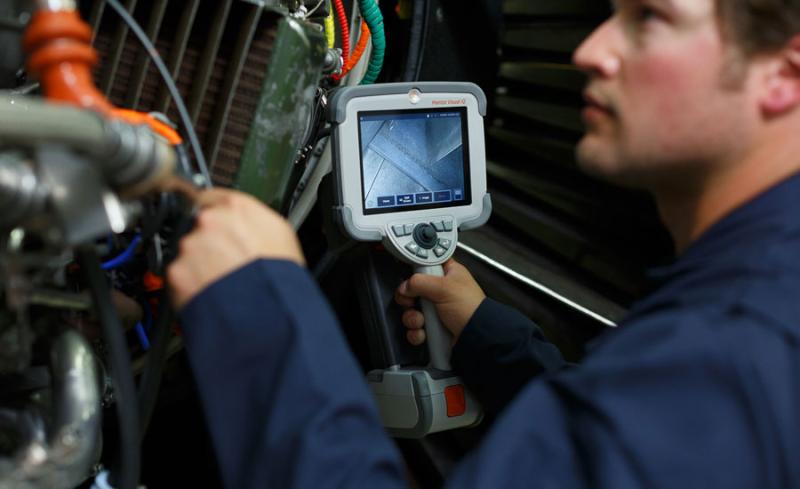
A power plant borescope
is essentially a remote visual inspection (RVI) tool designed to access and
view hard-to-reach areas inside turbines, reactors, heat exchangers, and piping
systems. In a nuclear power plant, where components are often sealed,
pressurized, and potentially radioactive, opening systems for inspection can be
costly, time-consuming, and hazardous. Nuclear borescopes bridge this gap by
allowing inspectors to view the internal condition of equipment without
dismantling or exposing workers to unnecessary risks.
The efficiency gains here are significant.
Instead of halting operations for days or even weeks to conduct invasive
inspections, plant operators can use borescopes to perform quick checks. This
minimizes downtime while still ensuring equipment integrity.
Enhancing Safety While Improving
Productivity
Safety is the foundation of every nuclear
facility, and inspections are central to maintaining it. Traditional inspection
methods often involved higher exposure for workers, as they needed to get
closer to radioactive zones. Nuclear borescopes reduce this exposure by
allowing inspections to be conducted remotely. This means workers can operate
cameras and tools from safer distances while still obtaining precise imagery of
internal components.
At the same time, productivity improves. By
removing the need for extensive deconstruction of plant equipment, inspections
can be performed faster. Shorter inspections translate into quicker maintenance
cycles, helping nuclear plants return to full capacity in less time. This
combination of safety and speed directly boosts operational efficiency.
Reducing Unplanned Downtime
One of the greatest threats to power plant
efficiency is unplanned downtime. Unexpected equipment failure not only
disrupts power generation but also creates significant financial and
operational strain. Nuclear borescopes provide a solution by enabling
predictive maintenance. Inspectors can use high-definition pictures and video
to detect early indicators of wear, cracks, corrosion, or debris, which could
lead to larger problems if left untreated.
By detecting these problems early,
operators can schedule maintenance proactively, ensuring that downtime happens
in a controlled and predictable manner. Planned outages are always less costly
and disruptive than emergency shutdowns. In this way, borescopes become a
critical tool in safeguarding uptime and ensuring reliable power delivery.
Supporting Regulatory Compliance
Nuclear power plants are subject to some of
the strictest regulations in the energy sector. Compliance with these standards
is not optional; it is central to the continued operation of the facility.
Regulatory bodies require detailed inspections and records of plant performance
and safety. Nuclear borescopes play a vital role in meeting these requirements.
By providing clear, verifiable visual
evidence of equipment condition, borescopes help operators demonstrate
compliance with inspection protocols. Their use ensures that records are
accurate and traceable, which is essential during regulatory reviews or audits.
This not only supports safe plant operations but also helps avoid costly
penalties or operational delays caused by non-compliance.
Cost Savings Through Smarter Inspections
Efficiency in nuclear power plants is not
just about generating more energy—it is also about reducing costs wherever
possible. Nuclear borescopes deliver substantial cost savings by reducing the
labor, time, and resources needed for inspections. Traditional inspection
methods often required teams of workers, specialized tools, and extended
shutdowns. With borescopes, fewer workers can complete inspections more quickly
and with less disruption.
Additionally, the ability to spot issues
early prevents small problems from escalating into major repairs or
replacements. This preventive maintenance method has the potential to save
millions of dollars in long-term operating expenditures. In an industry where
margins can be tight and investment is high, these savings are invaluable.
Looking Ahead: Smarter And More
Connected Tools
The evolution of nuclear borescopes
continues to push efficiency gains even further. Modern systems are now
equipped with digital imaging, 3D measurement capabilities, and even artificial
intelligence integration to detect defects automatically. Cloud-based storage
allows inspection records to be accessed and shared easily across teams and
regulatory bodies. As these tools become more advanced, nuclear plants will be
able to conduct inspections faster, more accurately, and with better long-term
traceability.
These advancements further reduce human
error and strengthen the predictive maintenance strategies that are critical
for long-term efficiency. In a future where energy demand continues to grow,
smarter borescopes will play an increasingly important role in sustaining
nuclear power as a reliable, safe, and efficient energy source.
Conclusion
In the challenging context of nuclear power
generation, operational efficiency must not come at the expense of safety and
compliance. Nuclear borescopes offer a way to achieve all three: safer
inspections, faster maintenance, and stronger compliance records. By reducing
downtime, lowering costs, and improving safety, these tools empower nuclear
plants to deliver reliable energy more effectively. As technology advances, the
role of borescopes will only become more central to the success of the nuclear
energy sector.
Post Your Ad Here
Comments