CLOCS-A Explained: A Practical Guide to Construction Logistics Plans
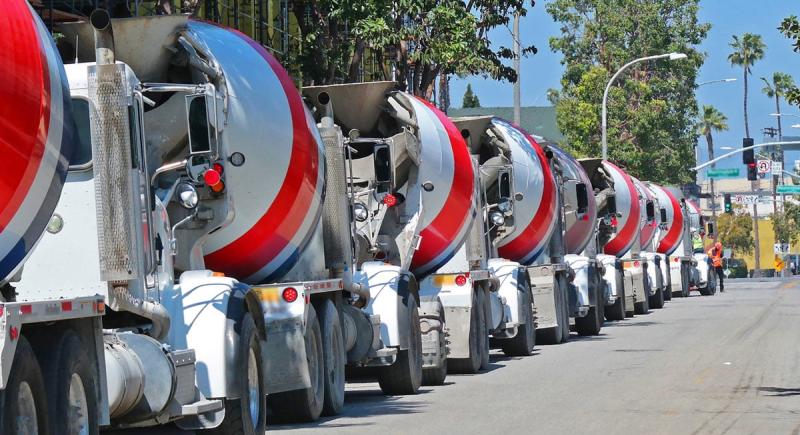
In Australia, an estimated $200 billion in major infrastructure projects are planned over the next decade, leading to increased heavy vehicle movements—and, with them, heightened risk to vulnerable road users such as pedestrians, cyclists, and motorcyclists. Enter CLOCS-A (Construction Logistics and Community Safety – Australia): a national initiative designed to mitigate those risks through comprehensive and consistent safety measures embedded into construction logistics planning.
What Is CLOCS-A?
CLOCS-A is a national construction logistics safety program, developed to manage work-related road risks in the construction sector by drawing on international best practice—specifically Transport for London’s CLOCS initiative—and tailoring it to Australia’s unique infrastructure context. It was collaboratively developed by government bodies, industry experts, researchers, and community representatives under the aegis of the National Road Safety Partnership Program (NRSPP).
The Need Behind the Standard
Australia’s infrastructure boom—forecast at $290 billion in public infrastructure investment over the next ten years—will predominantly take place in urban centres, creating a complex environment for road safety, particularly for vulnerable road users (VRUs) such as cyclists and pedestrians. Numerous VRU fatalities involving construction vehicles have underscored the urgent need for a systemic, safety-first approach to construction logistics.
Key Components of CLOCS-A
CLOCS-A is built upon four core pillars: safe vehicles, safe drivers, safe logistics, and community engagement—all aligned under a Safe System approach.
-
Safe Vehicles: Mandates industry-standard safety technologies such as blind-spot mirrors, underrun protection, direct-vision windows, audible warnings, and high-visibility markings.
-
Safe People: Requires comprehensive driver training on VRU awareness and safe vehicle operation; also encourages public education through community communication initiatives.
-
Safe Logistics: Enforces planning measures like route assessments, journey management, and integrating logistics safety into Traffic and Construction Management Plans.
-
Community Engagement: Advocates for keeping local communities informed of construction logistics activities to improve awareness and safety interactions.
Implementation & Accreditation
Australia has already begun embedding CLOCS-A into infrastructure contract standards—most notably on Sydney Metro and Melbourne Metro projects—and across government road safety action plans at the Commonwealth and state levels. In 2023, stewardship of CLOCS-A transitioned to the Chartered Institute for Logistics and Transport Australia (CILTA), which now oversees its operational rollout.
To formally recognize compliance, CLOCS-A offers a tiered accreditation system—Bronze, Silver, and Gold—reflecting escalating levels of safety commitment. Projects determine their required tier through a Project Rating Tool that assesses risk factors such as project scale, traffic density, and presence of VRU hotspots. Accreditation evaluates vehicle standards, driver credentials, logistics planning, incident reporting, and stakeholder communication processes.
Benefits and Impact
By embedding CLOCS-A into project frameworks, stakeholders aim to eliminate collisions between construction vehicles and the community, streamline logistics and reduce vehicle journeys, enhance environmental outcomes, and improve project reputations—especially when bidding for government contracts cilt.co.nz.
Conclusion
CLOCS-A represents a vital shift in how Australia manages the interplay between construction logistics and community safety. By applying a unified, evidence-based approach across vehicle standards, driver behaviour, operational planning, and public engagement—and by embedding these measures into actual construction contracts—CLOCS-A provides a powerful toolset to safeguard vulnerable road users while supporting infrastructure growth.
Let me know if you'd like a version focusing on a particular pillar—such as vehicle tech, accreditation pathways, or policy implications!
Post Your Ad Here
Comments