Preserving Tradition: The Story of Ipswich Heritage Chickens
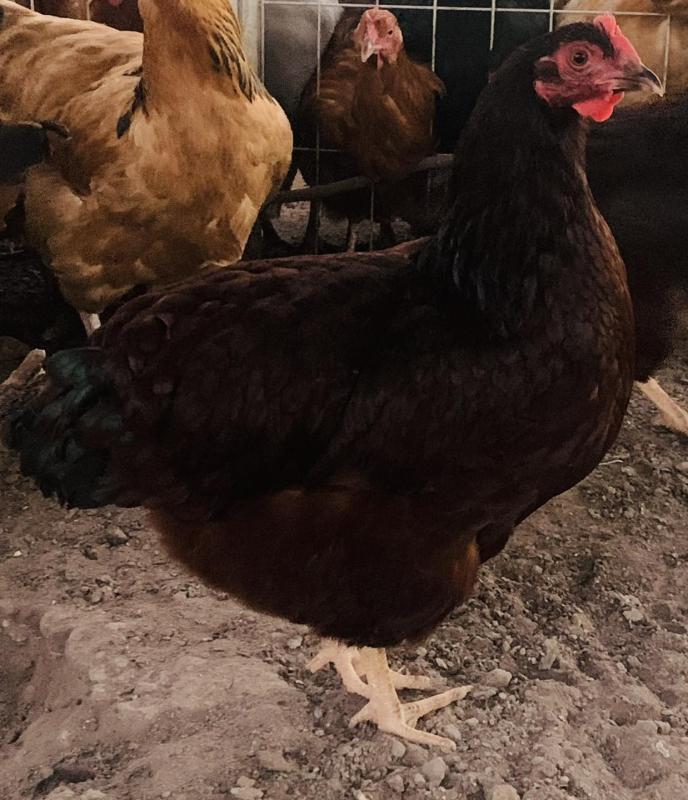
Table of Contents
-
Introduction
-
The History of Ipswich Heritage Chickens
-
Unique Characteristics and Breeds
-
The Role in Sustainable Farming
-
Challenges to Preservation
-
How the Community is Helping
-
Conclusion
Introduction
In an age where industrial farming dominates, heritage breeds like the Ipswich chicken are becoming increasingly rare. Across the UK, over 60% of native poultry breeds are at risk of extinction, making conservation efforts vital.
Ipswich heritage chickens are more than just birds—they represent a living link to farming traditions, biodiversity, and local food culture. By preserving them, communities not only protect genetic diversity but also sustain a part of their cultural identity.
The History of Ipswich Heritage Chickens
Ipswich, a historic town in Suffolk, has long been associated with agriculture and livestock breeding. The heritage chickens from this region date back to the 18th and 19th centuries, when families raised them for both eggs and meat. Unlike modern commercial breeds, these chickens were bred for resilience, adaptability, and longevity. Their preservation tells a story of small-scale farming and the rural way of life that shaped the region’s character.
Unique Characteristics and Breeds
Ipswich heritage chickens are known for their distinctive traits:
-
Hardiness: They withstand the variable British climate.
-
Dual-purpose use: Suitable for both egg-laying and meat production.
-
Diverse appearances: Plumage ranging from rich reds to mottled browns and blacks.
-
Temperament: Generally docile and easy to manage, making them ideal for smallholders.
These qualities made them invaluable before industrial farming shifted the focus toward high-yield commercial hybrids.
The Role in Sustainable Farming
Heritage chickens play an essential role in sustainable farming practices. Unlike commercial birds that require specialized feed and controlled environments, Ipswich breeds thrive in free-range settings. They naturally forage, reducing the need for artificial inputs, and contribute to soil health through their scratching and fertilizing behavior. Their slower growth also results in more flavorful meat, which is increasingly sought after by chefs and food enthusiasts.
Challenges to Preservation
Despite their value, Ipswich heritage chickens face several challenges:
-
Decline in small-scale farms due to urban expansion.
-
Competition with industrial breeds, which grow faster and produce more eggs.
-
Limited genetic pool, raising concerns about inbreeding.
-
Lack of awareness, as many people are unfamiliar with heritage poultry breeds.
Without targeted conservation, these chickens risk disappearing altogether.
How the Community is Helping
Local farmers, breeders, and heritage organizations in Suffolk are working to revive and maintain Ipswich chicken populations. Initiatives include:
-
Establishing breeding programs to maintain genetic diversity.
-
Hosting heritage poultry shows to raise awareness.
-
Promoting farm-to-table initiatives that highlight the unique flavor and quality of heritage chicken meat.
-
Encouraging schools and community gardens to raise heritage chickens, teaching younger generations the value of biodiversity.
Conclusion
Ipswich heritage chickens are more than just poultry—they are guardians of history, culture, and sustainable farming. While modern agriculture has shifted toward efficiency and mass production, the preservation of heritage breeds ensures that resilience, biodiversity, and tradition remain intact.
Protecting these chickens means protecting a living piece of Ipswich’s past while building a more sustainable future.
Post Your Ad Here
Comments