Beyond Brute Force: A Look at the Future of Bitcoin Mining Technology
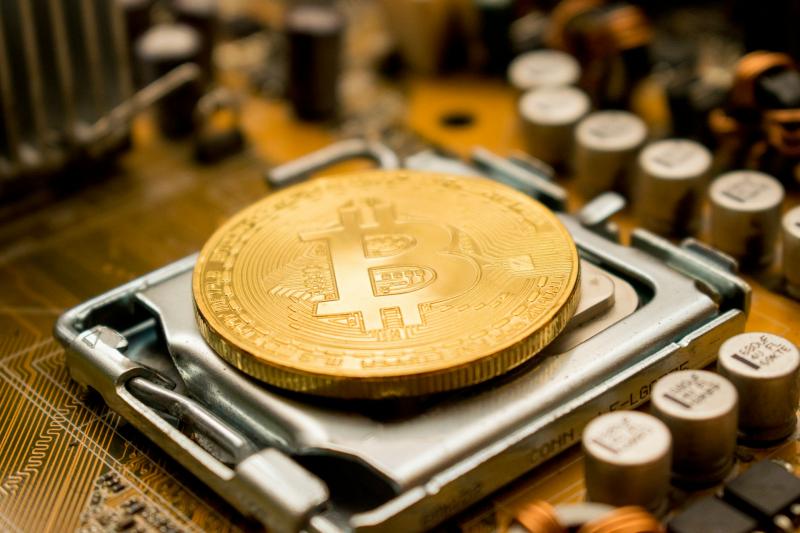
Not too long ago, the idea of mining for digital gold could be done on a standard home computer. Today, that notion feels like ancient history. The landscape has transformed from a hobbyist's pastime into a global, capital-intensive industry. This evolution has professionalized the world of Bitcoin mining, creating a relentless race for computational efficiency, sustainable energy, and innovative engineering.
The core of this race isn't just about using more power; it's about using it more intelligently. The future of mining technology isn't a single breakthrough, but a convergence of advancements in three key areas: the chips that do the work, the energy that powers them, and the methods used to keep them cool. Let's explore what's next on the horizon for each.
1. The Endless Quest for the Perfect Chip
The history of Bitcoin mining hardware is a story of accelerating specialization. We went from everyday CPUs to gaming-focused GPUs, and finally to the current industry standard: ASICs (Application-Specific Integrated Circuits). These chips are designed to do one thing and one thing only—perform the SHA-256 hashing algorithm that secures the Bitcoin network.
The future of hardware is about refining the ASIC. The primary metric for success is Joules per Terahash (J/TH), which measures how much energy is consumed to perform one trillion hashes. The lower the number, the more efficient the miner. The path forward involves:
Smaller Transistors: Manufacturers are constantly pushing to shrink the size of transistors on their chips (e.g., moving from 5-nanometer to 3-nanometer processes and beyond). Smaller transistors are more power-efficient, allowing more computational power to be packed into the same physical space with less energy draw.
Improved Chip Design: Beyond size, engineers are finding clever ways to optimize the architecture of the chips themselves, arranging circuits to reduce energy leakage and maximize hashing output.
Novel Materials: While further out, researchers are exploring new materials beyond silicon that could revolutionize chip performance, though this remains in the early stages of R&D.
The end goal is always the same: to get more hashes for every watt of electricity. This constant drive for hardware efficiency is a foundational trend, as detailed in reports from leading semiconductor industry sources like McKinsey & Company.
2. The Green Energy Gold Rush
No conversation about the future of Bitcoin mining is complete without talking about energy. The narrative of mining being an environmental drain is slowly being replaced by a more nuanced reality. The industry's insatiable demand for cheap power is driving it to become a primary consumer of sustainable and otherwise wasted energy. The future is focused on:
Harnessing Stranded Energy: Miners are increasingly co-locating at sites of "stranded" energy. This includes using flared natural gas from oil fields (turning a waste product into value), harnessing excess solar and wind power during off-peak hours, and utilizing geothermal or hydroelectric power in remote locations.
Grid Stabilization: This is one of the most exciting developments. Mining operations can function as a "buyer of last resort" for energy grids. They can power down in seconds during periods of high demand (like a summer heatwave) to free up electricity for residential use, and then power back up when demand is low. This demand-response capability, a real-world application reported on by news outlets like Bloomberg, makes the grid more resilient and can actually incentivize the development of more renewable energy projects.
Exploring Nuclear Power: For large-scale, carbon-free, 24/7 power, some in the industry are beginning to explore the potential of co-locating with nuclear power plants to utilize their consistent and massive energy output.
3. Taming the Heat with Liquid
ASICs are powerful, but they generate an incredible amount of heat. Heat is the enemy of electronic efficiency and longevity. While traditional air-cooling with fans is still common, the future of high-performance mining is liquid.
Immersion cooling is the game-changer. This involves completely submerging miners in a non-conductive, dielectric fluid. The fluid absorbs heat directly from the chips far more effectively than air ever could. The benefits are transformative:
Enhanced Performance: Because the cooling is so efficient, miners can be safely overclocked to produce a significantly higher hashrate.
Increased Lifespan: By eliminating thermal stress and protecting hardware from dust and humidity, immersion extends the operational life of expensive ASICs.
Heat Recapture: The hot fluid can be circulated and used for other purposes, like heating adjacent buildings, greenhouses, or even fish farms, turning a waste product (heat) into a valuable resource.
The future of Bitcoin mining is smarter, not just bigger. It's a sophisticated technological frontier focused on maximizing efficiency at every level—from the nanometer scale of the chip to the gigawatt scale of the power grid. As the industry continues to mature, these innovations in hardware, energy, and cooling will define the next generation of digital asset infrastructure.

Post Your Ad Here
Comments