The Hidden Dangers of Asbestos Dust And How Industrial Vacuums Keep Texas Workers Safe
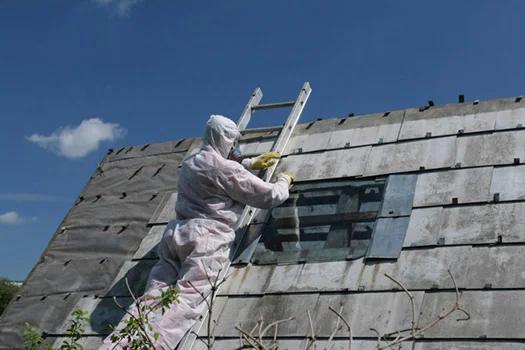
Asbestos may seem like a problem of the past, but in Texas,
it’s still a very real and deadly hazard. While many materials have replaced
asbestos, the microscopic fibers it leaves behind remain dangerous in older
structures, industrial zones, and renovation sites. The solution? Advanced Industrial Vacuums Texas
experts rely on to keep their teams safe every single day.
Understanding Asbestos
What is Asbestos?
Asbestos is a naturally occurring mineral once praised for
its heat resistance and durability. It was used extensively in insulation,
flooring, roofing, and fireproofing materials. But its benefits came at a
dangerous cost—airborne asbestos fibers are highly toxic when inhaled.
Why Asbestos Was Commonly Used
Before the health risks were fully understood, asbestos was
a construction darling. It added strength, resisted fire, and reduced costs.
From buildings to ships, it was everywhere—especially in a booming state like
Texas.
Where Asbestos Is Still Found Today
Today, asbestos still lingers in older homes, factories,
schools, and oil refineries. Renovation or demolition projects disturb these
materials, releasing dangerous dust into the air.
The Health Risks of Asbestos Exposure
How Asbestos Dust Affects the Body
When asbestos fibers are inhaled, they become lodged in the
lungs. Over time, they cause inflammation, scarring, and serious illness. The
fibers are so fine, you can’t see or smell them—making them even more
dangerous.
Diseases Linked to Asbestos
Prolonged exposure can lead to:
- Mesothelioma
(a rare, aggressive cancer)
- Asbestosis
(lung tissue scarring)
- Lung
cancer
These diseases have no cure and may take decades to develop.
Long-Term Exposure Concerns
Even short-term exposure in high concentrations can be
dangerous. Long-term exposure without protective measures almost guarantees
health problems later in life.
Asbestos in Texas Industries
Which Texas Industries Face Asbestos Risk?
Industries at high risk include:
- Construction
and demolition
- Shipbuilding
- Oil
and gas
- Manufacturing
Texas has thousands of aging structures, and many still contain asbestos materials.
Worker Safety Regulations in Texas
Texas follows OSHA and EPA guidelines for asbestos safety.
Employers must provide safe environments, including dust control systems and Industrial Vacuum Cleaners Texas
workers can trust.
Why Dust Control Is Critical
Invisible Yet Deadly: The Danger of Airborne Particles
Asbestos dust is like glitter—you clean it up, and somehow
it's still there. But unlike glitter, it can kill. Containing it before it
spreads is crucial.
The Challenge of Cleanup Without Proper Equipment
Using a broom or household vacuum can actually make things
worse by spreading fibers through the air. This is where professional-grade Dust Extraction Systems Texas
industries depend on come into play.
The Role of Industrial Vacuums
How Industrial Vacuums Work
Industrial vacuums for asbestos are designed with HEPA
filters that trap 99.97% of microscopic particles. They prevent dust from
escaping during and after cleanup.
Benefits of Industrial Vacuum Cleaners in Texas
- High
suction power for deep cleaning
- Certified
HEPA filtration
- Safe
containment of hazardous dust
- Meets
regulatory standards
Why Traditional Cleaning Methods Fall Short
Regular vacuums or mops don’t trap asbestos fibers—they
recirculate them. Industrial Vacuums Texas workers use are the only safe way to
clean these hazardous environments.
Dust Extraction Systems in Texas
What Are Dust Extraction Systems?
These systems are engineered to extract harmful dust at the
source—during cutting, sanding, or drilling. They use sealed conduits and
powerful suction to reduce airborne risks.
Key Features for Effective Asbestos Removal
- Multi-stage
filtration
- Sealed
containment units
- Low
noise operation
- Automatic
shut-off to prevent overloads
Texas-Specific Compliance Standards
To meet Texas state and OSHA standards, systems must include
certified HEPA filters and be properly maintained by trained personnel.
Choosing the Right Equipment
What to Look for in Industrial Vacuums Texas
- OSHA-compliant
HEPA filters
- Powerful,
durable motors
- Easy-to-change
filter systems
- Sealed
waste containment
Maintenance Tips for Longevity and Safety
- Regularly
inspect filters
- Empty
containment units safely
- Clean
seals and hoses to prevent leaks
- Replace
worn parts promptly
Certified Products for Asbestos Removal
Only use vacuums and systems labeled “asbestos-safe” or
certified for hazardous material removal. This ensures safety for your
workers—and legal compliance for your business.
Training and Safety Protocols
Proper Handling of Industrial Vacuum Cleaners Texas
Workers should know:
- How to
operate vacuums safely
- How to
handle filters and dust bags
- Emergency
procedures in case of leaks
Worker Training and PPE Use
No matter how good your vacuum is, PPE is non-negotiable:
- Respirators
- Disposable
suits
- Gloves
and eye protection
Regular Safety Audits and Inspections
Routine checks ensure your equipment and practices stay up
to code. Don’t wait for a problem—prevent it.
Conclusion
Asbestos may be silent, but it's deadly. Texas
workers—especially in construction, oil, and manufacturing—are often
unknowingly exposed. But the right tools make all the difference. With powerful
Industrial Vacuums Texas teams trust and efficient Dust Extraction Systems Texas
factories depend on, the threat can be safely managed. It’s not just about
cleaning dust—it’s about protecting lives.
FAQs
What makes asbestos dust so dangerous?
Asbestos dust contains microscopic fibers that lodge in the
lungs, causing diseases like mesothelioma, lung cancer, and asbestosis over
time.
How do industrial vacuums help remove asbestos dust?
They use powerful suction and HEPA filtration to trap and
safely contain asbestos particles without releasing them into the air.
Are all vacuums safe for asbestos removal?
No. Only vacuums certified for hazardous dust with HEPA
filters are safe for asbestos cleanup.
What industries in Texas are most at risk?
Construction, oil and gas, demolition, shipbuilding, and
manufacturing industries face the highest risk due to old infrastructure.
How can I ensure compliance with dust safety standards in
Texas?
Use certified equipment, follow OSHA guidelines, conduct
regular training, and implement proper dust extraction systems Texas
businesses rely on.
Post Your Ad Here
Comments