Avoid OSHA Fines: Compliance Tips for Using Asbestos Dust Vacuums in Texas
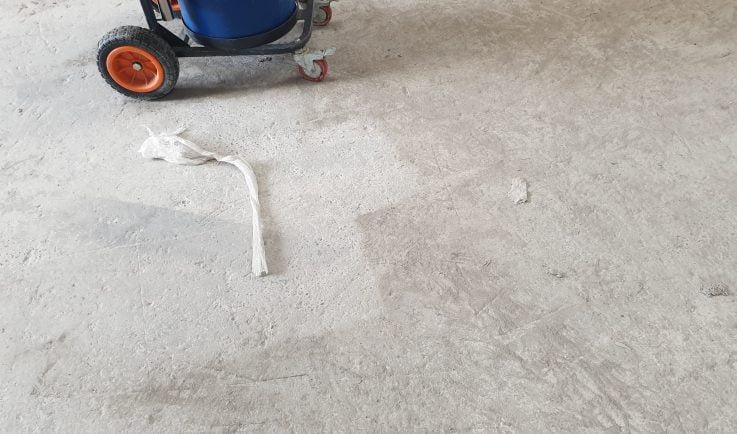
If you're handling asbestos in Texas, one wrong move can cost you—literally. OSHA fines aren't just a slap on the wrist; they can run into tens of thousands of dollars. For contractors, business owners, or industrial site managers, staying compliant isn't optional—it's survival. One of the key ways to do that? Properly using asbestos dust vacuums. And let’s face it: dust control is where the battle against asbestos exposure begins.
Using Industrial Vacuums Texas businesses trust isn't just smart—it’s essential. The right equipment, training, and maintenance could mean the difference between a clean site and a hefty OSHA citation.
Understanding OSHA Asbestos Regulations
Overview of OSHA’s Asbestos Standards
OSHA has very strict rules regarding asbestos exposure. The Permissible Exposure Limit (PEL) is 0.1 fibers per cubic centimeter of air over an 8-hour shift. That’s a tiny amount, and exceeding it can trigger citations.
Employer Responsibilities Under OSHA
Employers must:
- Conduct
air monitoring
- Provide
protective clothing and respirators
- Train
employees on asbestos hazards
- Use
proper dust extraction systems
Penalties for Non-Compliance in Texas
Texas companies have faced fines ranging from $5,000 to over
$50,000 for failing to follow OSHA asbestos protocols. It’s a high-risk gamble
you don’t want to take.
The Role of Industrial Vacuums in Asbestos Control
Why Traditional Cleaning Methods Fail
Think a broom and dustpan will do? Think again. Sweeping
stirs up asbestos fibers, making things worse. Even regular shop vacuums can't
trap microscopic fibers.
Features of Compliant Asbestos Dust Vacuums
Look for vacuums with:
- Certified
HEPA filters
- Leak-proof
collection containers
- Sealed
motor compartments
- Compliance
with OSHA and EPA standards
These features ensure asbestos particles don’t escape back
into the air.
Choosing the Right Equipment
Industrial Vacuums Texas: What to Look For
The Texas climate and work conditions require durable,
sealed vacuums that can operate in dusty, humid environments. Top brands offer
rugged designs built for the industrial sector.
Industrial
Vacuum Cleaners Texas: Approved Models
Always choose vacuums that meet OSHA Class H
standards for hazardous dusts. Models with multiple filter stages and HEPA
exhaust filters are best suited for asbestos control.
Dust Extraction Systems Texas: Integration and Setup
You can also integrate vacuums into centralized dust
extraction systems. These setups automate dust removal and reduce manual
handling—making your site cleaner and safer.
Compliance Tips for Employers and Contractors
Conducting Asbestos Exposure Assessments
Before any work begins, have the site assessed by a licensed
professional. This determines the need for vacuuming and what precautions are
necessary.
HEPA Filtration and Containment Requirements
OSHA mandates HEPA filtration in all asbestos removal
tasks. This means your vacuums must trap 99.97% of particles down to 0.3
microns.
Worker Training and PPE
Even the best vacuum won't help if your team isn’t trained.
Workers should know:
- How to
operate vacuums safely
- When
to change filters
- How to
wear PPE properly
Maintenance and Inspection of Equipment
Regular Filter Checks
Clogged filters reduce suction and increase the risk of
fiber release. Inspect and replace filters as per manufacturer guidelines.
Safe Disposal of Asbestos Dust
Use double-lined bags for dust disposal. Label them as
hazardous and follow local disposal regulations.
Documentation and OSHA Audits
Keep logs of:
- Vacuum
model and specs
- Filter
change dates
- Maintenance
records
These can save you during an OSHA audit.
Common Mistakes and How to Avoid Them
Using Uncertified Vacuums
Don’t cut corners. Shop vacs or uncertified tools may not
meet OSHA standards—and that’s a fine waiting to happen.
Skipping Training Sessions
Training isn’t a checkbox—it’s a legal requirement. Skipping
it leaves your crew vulnerable and your company liable.
Ignoring Maintenance Schedules
Out-of-service vacuums are more than useless—they're
dangerous. Stick to a preventive maintenance plan.
Benefits of Staying Compliant
Avoiding Costly Fines
Let’s be real—compliance is cheaper than a fine. And with
OSHA’s recent penalty increases, it’s smarter to stay ahead.
Protecting Worker Health
Asbestos-related diseases can take years to appear but are
often fatal. Your crew's lives are literally on the line.
Enhancing Business Reputation
Being known for safety and compliance builds trust with
clients and regulatory bodies. It’s good for business.
Conclusion
Asbestos dust control isn’t something you can afford to mess
up—especially in Texas, where OSHA is cracking down hard. Whether you're
demolishing a building, remodeling, or cleaning up an old industrial site,
using certified industrial vacuum cleaners Texas regulations approve is your
best defense. Combine that with proper dust extraction systems Texas
contractors trust, and you’ve got a solid compliance strategy. Don't wait until
a fine shows up—act now, stay safe, and keep your site clean.
FAQs
1. What is the best vacuum for asbestos cleanup?
Look for OSHA-compliant industrial vacuums with HEPA filtration, sealed
canisters, and leak-proof disposal systems.
2. How often should industrial vacuums be inspected?
At least weekly, and always before and after major asbestos removal projects.
3. Are HEPA filters mandatory in Texas?
Yes, for all asbestos removal tasks under OSHA guidelines.
4. Can I use a shop vacuum for asbestos dust?
No. Shop vacs are not certified to handle hazardous asbestos fibers and are not
OSHA-compliant.
5. What happens during an OSHA inspection?
OSHA will review your equipment, training logs, air monitoring results, and
maintenance records. Non-compliance can result in hefty fines.
Post Your Ad Here
Comments