FUE Hair Transplants in Turkey in 2025
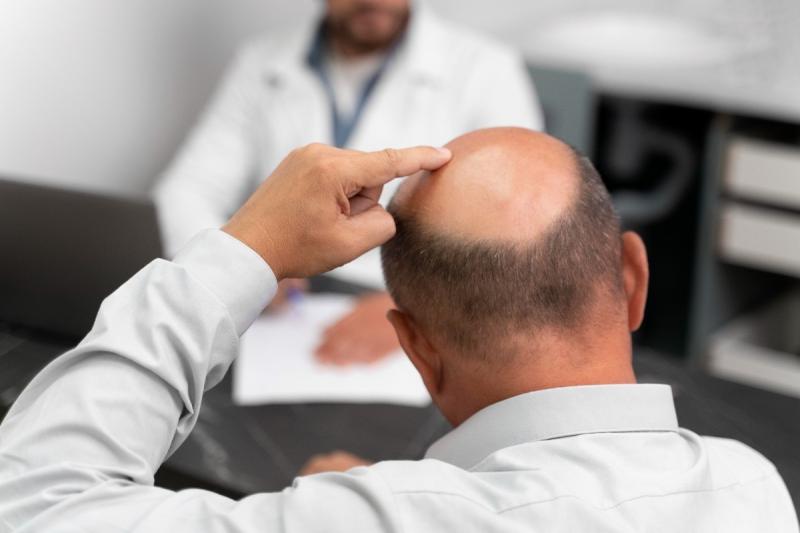
Considering a hair transplant abroad? This comprehensive guide by Capilclinic, a trusted hair transplant clinic in Turkey, helps in knowing about the FUE hair transplant technique in Turkey and why it works for patients from the UK.
What is FUE
Follicular Unit Extraction (FUE) is a minimally invasive technique that relocates individual hair follicles usually from the back and sides of your scalp to thinning or bald areas. Because grafts are harvested one by one using tiny punches, there’s no long linear scar, stitches aren’t required, and the result can look exceptionally natural when planned and executed well.
Why Turkey works so well for UK patients
- Experienced teams & high case volumes: Decades of specialization and refined protocols.
- Value without cutting corners: Competitive package pricing that often bundles airport transfers, hotel stays, medications, and aftercare.
- Travel convenience: Frequent direct flights from major UK cities and minimal time zone difference, making a long weekend feasible.
- English-speaking coordination: Dedicated patient coordinators and clear, written aftercare.
- Tourism plus treatment: Many patients combine their procedure with a short city break.
Who is a good candidate?
Men and women with pattern hair loss or clearly defined thinning areas
Adequate donor hair on the scalp (sometimes beard or body hair can supplement)
Realistic expectations about density and the timeline for results
Willingness to follow aftercare precisely
A professional consultation assesses donor capacity, hair calibre, hairline design, and whether FUE (versus alternatives) is the right choice.
The FUE journey: step by step
1) Consultation & planning
You’ll discuss goals, medical history, medications, and lifestyle. The surgeon evaluates donor density with magnification, estimates grafts, and designs a hairline that suits your facial proportions—conservative enough to age well.
2) Pre-op prep
The donor area is trimmed and photographed. Local anaesthesia is administered. You’ll receive instructions on sleeping position, washing, and activities to avoid.
3) Extraction
Using a micromotor or manual punch, follicular units are gently scored and removed one by one. Grafts are sorted by size (1–4 hairs) and kept hydrated and cool to protect viability.
4) Recipient site creation
Micro-incisions are made at specific angles and directions to mimic natural growth patterns. Some clinics use ultra-fine “sapphire” blades for precise channels.
5) Implantation
Technicians place grafts into the prepared sites, prioritizing single-hair grafts for the hairline and multi-hair grafts for density behind it.
6) Post-op briefing
You’ll leave with medications, a spray or lotion regimen, and a washing timetable. Most patients return to the hotel the same day.
Variations you’ll hear about: Sapphire FUE & DHI
Sapphire FUE: Refers to the blade used to open micro-channels; it can allow finer, denser site creation.
DHI (Direct Hair Implantation): Uses implanter pens to place grafts directly without pre-made incisions. Suitability depends on your case and the clinic’s expertise, neither is “better” in all situations; execution matters most.
Recovery timeline (realistic expectations)
Days 1–3: Redness, tightness, and mild swelling are common; sleep with your head elevated and avoid touching grafts.
Days 3–10: Start gentle washes as instructed; tiny scabs soften and shed naturally by around day 10.
Weeks 2–8: “Shock shedding” of transplanted hairs is normal. The follicles remain; shafts regrow later.
Months 3–6: Early regrowth appears thin and wiry.
Months 6–12: Noticeable thickening and shape; styling options improve.
Months 12–18: Maturation phase texture softens and density reaches its peak.
Aftercare essentials
Washing: Follow the exact method and schedule provided; pat dry, no rubbing.
Sleeping: Back-sleeping with neck support for ~1 week to protect grafts.
Activity: Avoid gyms, swimming, helmets, and saunas initially; resume gradually as directed.
Sun & trauma: Strict sun protection and no scratching or picking.
Medications/topicals: Use only those prescribed; ask before adding anything new.
Risks & how reputable clinics reduce them
All surgery carries risks, though complications are uncommon with good technique. Potential issues include infection, temporary numbness, prolonged redness, poor growth if grafts are mishandled, or overharvesting the donor area. Robust protocols, sterile environments, conservative donor management, and close follow-up significantly reduce these risks.
Cost factors
Prices vary by clinic and case complexity, but you’re generally paying for:
Number of grafts and session length
Surgeon involvement and team size
Technology and consumables (e.g., sapphire blades, implanters)
What the package includes (transfers, hotel, PRP, meds, follow-ups)
Tip: Be wary of ultra-high “one-day” graft counts or deals that seem too good to be true. Sustainable donor management matters more than a headline number.
Choosing the right clinic: a practical checklist
Surgeon-led plan: Who designs the hairline, creates recipient sites, and supervises implantation? The Best Hair Transplant surgeon in Turkey would be a doctor who is certified and highly experienced.
Transparent results: Consistent, well-lit before/after photos, ideally with multiple angles and time-stamped progress.
Ethical donor strategy: Clear explanation of extraction limits and long-term planning for future hair loss.
Facility standards: Dedicated operating rooms, sterilization protocols, and an emergency plan.
Clear communication: Written aftercare, realistic timelines, and easily reachable coordinators.
Reviews & references: Look for patterns across platforms and ask for similar cases to yours.
FAQs for UK patients
Q. How long do I need to stay in Turkey?
Most patients plan 2–4 days: arrival and consultation, surgery day, then a wash/check-up before flying home.
Q. When can I go back to work?
Desk jobs are often possible after a few days; visible signs usually settle by about 7–10 days. Public-facing or physical roles may require longer.
Q. Will there be scars?
FUE leaves tiny dot scars scattered across the donor area, usually difficult to notice—even with short hair when harvesting is conservative.
Q. Is one procedure enough?
It depends on your goals, donor capacity, and ongoing hair loss. Some patients plan staged procedures over time.
Q. What about medical therapy?
Your clinic may discuss adjuncts like finasteride, minoxidil, or low-level laser therapy to maintain native hair. Use only under professional guidance.
The bottom line
FUE in Turkey can deliver natural, lasting improvement with minimal downtime when handled by an experienced, ethical team. If you’re traveling from the UK, the blend of expertise, value, and convenience is hard to beat, just make sure you choose your clinic with the same care you’d choose your surgeon at home.
This article is for general education only and isn’t medical advice. Always consult a qualified surgeon about your specific situation.
Post Your Ad Here
Comments