Raw vs Cooked Meat for Dogs: Which Option Truly Benefits Your Pup?
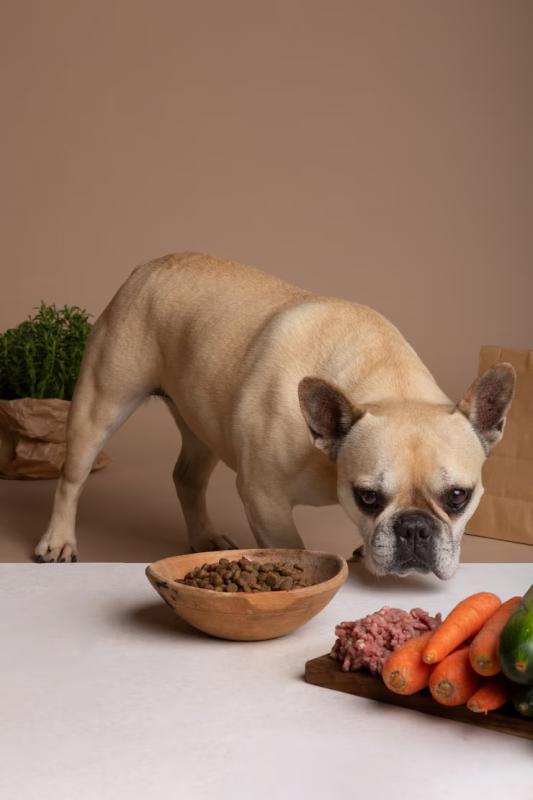
Choosing between raw v/s cooked meat for dogs can feel like navigating a maze of conflicting opinions. While some dog owners swear by raw diets to bring out their pet’s wild side, others believe cooked meals are the safer, more practical choice. Let’s break down both options to help you decide what’s best for your loyal companion.
Health First: Adapting to Your Dog’s Needs
Dogs with sensitive stomachs or weakened immunity often do better on cooked meat. Cooking meat helps eliminate harmful bacteria and parasites that can make vulnerable dogs sick. If your furry friend has had digestive upsets or a weak immune system, cooked meals might be the safest bet.
On the flip side, some pet parents feel that a raw diet helps ease allergy symptoms or improve skin conditions. But switching to raw should never be impulsive it’s important to do so gradually and under a vet’s guidance to keep your dog healthy and balanced.
Age and Comfort: From Puppies to Seniors
Age plays a major role in deciding between raw v/s cooked meat for dogs. Puppies, seniors, or dogs with dental issues often find cooked meat easier to chew and digest. Soft, tender meat can make mealtimes more enjoyable and stress-free for them.
Advocates of raw feeding, however, argue that raw meat mirrors what dogs’ ancestors ate, potentially offering benefits at any life stage. If you choose raw, introduce it slowly and pay close attention to how your dog responds.
Your Dog’s Personal Preferences
Just like us, dogs have individual likes and dislikes. Some love the texture and flavor of raw meat, while others prefer the comforting warmth of a cooked meal. Watching how your dog reacts to each option can guide you toward the right choice. A bit of patience and observation will help you discover what excites their appetite the most.
Nutrition Above All
Regardless of whether you pick raw or cooked, a balanced diet is essential. Dogs need the right mix of protein, fats, vitamins, and minerals to stay strong and energetic. Both raw and cooked meals can meet these needs but careful planning is a must to avoid deficiencies.
What Exactly Is Raw Meat for Dogs?
A raw diet generally consists of uncooked muscle meat, organs, and sometimes bones, mimicking what wild dogs would have eaten. Common choices include beef, chicken, lamb, and turkey.
Advantages of Raw Meat
Retains natural nutrients: Raw meat preserves more enzymes and essential nutrients.
Better dental health: Chewing raw bones can help keep teeth clean and jaws strong.
Healthier skin and coat: Natural fats may lead to shinier coats and healthier skin.
Possible allergy relief: Some owners notice reduced sensitivities with raw diets.
Boost in energy: Many dogs show increased vitality and playfulness.
Drawbacks of Raw Meat
Risk of bacteria: Raw meat can carry harmful bacteria like Salmonella or E. coli.
Parasite danger: There’s always a chance of parasites in uncooked meat.
Potential nutritional gaps: Without careful planning, deficiencies can occur.
Choking hazards: Bones can splinter and cause serious injuries.
Handling concerns: Requires strict hygiene to avoid contamination.
What About Cooked Meat for Dogs?
Cooked meat is prepared by boiling, steaming, baking, or grilling. It’s widely popular and commonly used in commercial dog foods.
Benefits of Cooked Meat
Reduced bacterial risk: Cooking kills most harmful bacteria and parasites.
Easier digestion: Many dogs handle cooked food better.
Safer feeding: No bones means fewer choking or splintering risks.
Customizable meals: You can adjust recipes for variety and balance.
Convenience: Simpler to prepare, store, and portion out.
Household safety: Less risk of passing bacteria to family members.
Downsides of Cooked Meat
Possible nutrient loss: Cooking can reduce some vitamins and minerals.
Weight gain risks: Overfeeding cooked meat without balance can lead to obesity.
Some allergies persist: Cooking doesn’t always eliminate protein sensitivities.
Why Many Pet Parents Prefer Cooked Meat
When weighing raw v/s cooked meat for dogs, many lean toward cooked meals because of their safety and ease. Cooking meat makes it more digestible and lowers health risks a big plus for homes with kids, elderly family members, or anyone with weaker immunity.
Additionally, since many commercial dog foods are made with cooked meat, it’s easier to maintain consistency in nutrition and meal prep.
The Final Choice: What’s Best for Your Dog?
Ultimately, the decision between raw v/s cooked meat for dogs should reflect your dog’s health, age, personal preferences, and your comfort level with food preparation and hygiene.
Above all, consulting your veterinarian is crucial. A professional can help you build a diet plan that keeps your dog healthy and happy in the long run.
There’s no one-size-fits-all answer, but with careful consideration and love, you can confidently choose the diet that helps your four-legged friend thrive.
Post Your Ad Here
Comments