The Process of Partnering with a Custom Jewelry Manufacturer in India
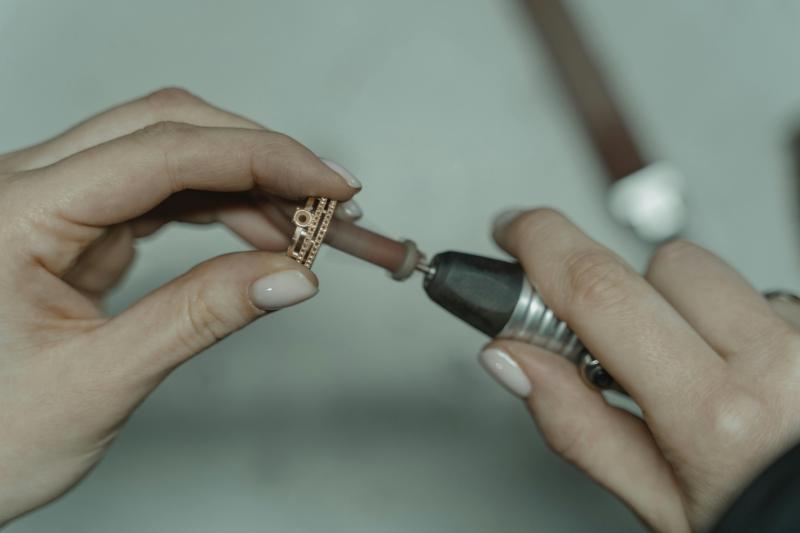
The Process of Partnering with a Custom Jewelry Manufacturer in India
India has long been known for its rich heritage in jewelry making, with intricate designs, detailed craftsmanship, and the use of precious metals and gemstones. Whether you’re a designer, business owner, or entrepreneur looking to create unique jewelry collections, partnering with a custom jewelry manufacturer in India can be a rewarding venture. India is home to some of the most skilled artisans and manufacturing facilities, offering high-quality products at competitive prices.
However, the process of partnering with a custom jewelry manufacturer can seem daunting at first. With numerous manufacturers available, each offering a variety of services, finding the right fit for your needs requires careful consideration, planning, and understanding. In this blog, we will walk through the essential steps involved in partnering with a custom jewelry manufacturer in India, from initial research to final production.
1. Defining Your Jewelry Brand and Goals
Before reaching out to potential jewelry manufacturers, it’s crucial to have a clear understanding of your jewelry brand, vision, and goals. Custom jewelry manufacturers work with a wide range of designs, from contemporary and minimalist styles to more intricate, traditional, or high-end luxury pieces. Defining your brand and the type of jewelry you wish to create will help you identify manufacturers that specialize in the specific style, craftsmanship, and material quality you’re seeking.
Consider the following questions:
What type of jewelry will your brand focus on (e.g., engagement rings, fashion jewelry, fine jewelry)?
Will your pieces feature gemstones, diamonds, or precious metals like gold, platinum, or silver?
What is your target audience?
What is your design aesthetic (e.g., minimalistic, vintage, bohemian, modern)?
Having a clear vision for your jewelry line will allow you to communicate your expectations and requirements more effectively to the manufacturer.
2. Researching Potential Manufacturers
India boasts an extensive network of jewelry manufacturers across different regions. While some manufacturers specialize in mass production, others cater specifically to custom and bespoke jewelry services. When researching manufacturers, it's essential to narrow down your options to those that specialize in custom pieces and have experience in the types of jewelry you wish to create.
Here are some key factors to keep in mind while researching:
Experience and Reputation: Look for manufacturers with a solid reputation and years of experience in the industry. Established companies are more likely to have the infrastructure, skilled artisans, and design expertise necessary to bring your designs to life.
Quality of Craftsmanship: Quality is one of the most important factors when selecting a jewelry manufacturer. Ensure that the manufacturer can produce pieces that meet your design standards. Look at previous work, reviews, and ask for samples to evaluate craftsmanship.
Technology and Equipment: Modern jewelry manufacturing often involves a combination of traditional techniques and advanced technology. If your designs require intricate detailing, advanced CAD software, or 3D printing for prototypes, make sure the manufacturer has the right equipment.
Certifications and Compliance: Ensure the manufacturer complies with international quality standards, such as ISO certifications, ethical sourcing, and environmental practices. Manufacturers who meet these standards often offer products that are more sustainable and ethically produced.
Online directories, industry trade fairs, and word-of-mouth referrals are great ways to begin your search. Additionally, social media platforms such as Instagram and LinkedIn can also help you identify jewelry makers with a strong digital presence.
3. Requesting Samples and Prototypes
Once you’ve shortlisted potential manufacturers, the next step is to request samples or prototypes of their previous work. This allows you to assess the manufacturer’s skills, attention to detail, and ability to bring your designs to life.
If your designs are complex or require customization, ask the manufacturer for a prototype of your specific design. This could involve:
Sketches or CAD designs: Share your initial design ideas or sketches with the manufacturer and request that they create a CAD (computer-aided design) model or 3D rendering to visualize the final product.
Material Samples: If you’re planning to use specific materials (such as a particular type of gemstone, metal, or finish), ask for samples of those materials to ensure their quality and consistency.
Prototype Creation: The manufacturer may create a physical prototype of your piece using 3D printing or handcrafting techniques. This step allows you to evaluate the final design for fit, functionality, and aesthetic appeal.
Make sure to evaluate the prototypes thoroughly. You should look at the quality of the finish, the precision of the design, and the overall craftsmanship. This step is crucial, as it can save you from costly mistakes later in the production process.
4. Discussing the Details and Setting Expectations
Before entering into a formal agreement, it’s important to discuss all the details with the manufacturer and set clear expectations. This will help to ensure that both parties are on the same page and avoid any misunderstandings during the production process.
Consider the following points:
Minimum Order Quantity (MOQ): Custom jewelry manufacturers may have a minimum order requirement. Discuss the minimum quantities that you plan to order and see if they align with the manufacturer’s production capabilities.
Pricing and Payment Terms: Be clear on the pricing structure for your designs. Custom jewelry pieces often have a higher production cost due to the intricate craftsmanship and unique designs involved. Get a detailed breakdown of pricing and discuss payment terms, whether it’s an upfront deposit or payment upon completion.
Turnaround Time: Custom pieces take time to produce. Establish realistic timelines for the creation of prototypes, production, and shipping. Ask for a detailed timeline, including milestones for each stage of the project.
Quality Control and Inspections: Ensure that the manufacturer has a system for quality control and inspections during production. You want to ensure that your pieces meet the standards you’ve set, so agree on how the products will be inspected for quality.
Shipping and Logistics: Discuss the shipping process, including packaging, delivery times, and costs. Ensure that the manufacturer can handle international shipping, if necessary, and has experience in dealing with logistics.
5. Negotiating and Finalizing the Contract
Once all the details have been discussed and agreed upon, it’s time to finalize the contract. The contract should include the specifics of the project, such as:
Design specifications and prototypes
Pricing and payment terms
Production timeline and delivery
Quality control processes
Intellectual property rights (important if you are creating original designs)
Shipping and delivery terms
Make sure to read through the contract carefully and seek legal advice if necessary. The contract will protect both you and the manufacturer and ensure that expectations are clearly set.
6. Production and Quality Assurance
Once the contract is signed and the designs are finalized, the manufacturer will begin production. During the production phase, it’s important to stay in communication with the manufacturer to ensure that everything is progressing as planned. If you are creating a large number of pieces, it’s advisable to do periodic quality checks or request updates to ensure the process is going smoothly.
Some manufacturers offer video or image updates during the production process. This helps you stay in the loop and address any concerns early on.
7. Final Delivery and Post-Production Support
Once the jewelry pieces are completed, the manufacturer will ship them to you. Upon receiving the order, inspect the pieces for quality, craftsmanship, and adherence to your design specifications. Ensure that the jewelry is packaged securely to prevent any damage during transit.
If there are any issues with the order, make sure you address them with the manufacturer promptly. Most reputable manufacturers will work with you to resolve any concerns and ensure you are satisfied with the final product.
Additionally, consider developing a long-term relationship with your manufacturer for future orders. Many manufacturers offer post-production services, such as repairs or re-sizing, and working with the same partner can help streamline the process for future collections.
8. Promoting Nakassi: A Trusted Partner for Custom Jewelry Manufacturing
When it comes to finding a reliable, skilled, and innovative custom jewelry manufacturer in India, Nakassi stands out as a top choice. With years of experience in the industry, Nakassi offers high-quality craftsmanship, cutting-edge technology, and a commitment to sustainability and ethical practices.
Nakassi’s team of expert designers and artisans works closely with clients to bring their unique jewelry ideas to life, whether it's through custom designs, special collections, or fine jewelry pieces. They use the finest materials, employ state-of-the-art production techniques, and offer transparent communication throughout the entire process, ensuring that every piece is crafted to perfection.
Whether you’re a small business owner or a large brand, Nakassi’s custom jewelry manufacturing services are tailored to meet your specific needs. From ideation to final production, Nakassi provides end-to-end solutions with a focus on quality, speed, and customer satisfaction.
If you're ready to create unique, high-quality jewelry that reflects your brand’s personality and values, Nakassi is the ideal partner to help you bring your designs to life.
Conclusion
Partnering with a custom jewelry manufacturer in India can be an exciting and rewarding journey, especially when you have the right partner by your side. By following the steps outlined in this guide—from defining your brand and conducting research to finalizing the contract and ensuring quality control—you can create stunning, one-of-a-kind jewelry pieces that stand out in the market.
With Nakassi, you get more than just a manufacturer—you gain a trusted partner dedicated to transforming your ideas into beautiful, high-quality jewelry. Whether you're a seasoned jewelry designer or just starting your business, Nakassi’s expertise, craftsmanship, and commitment to excellence make them the perfect choice for all your custom jewelry manufacturing needs.
Post Your Ad Here
Comments