Central Vacuum Systems: Are They Worth the Investment for Australian Factories?
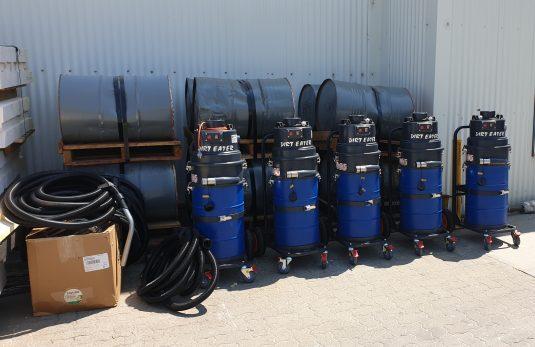
When it comes to keeping factory floors clean, safe, and compliant, many Aussie factory owners are asking the same question: “Is a central vacuum system really worth the investment?” Let’s explore this modern cleaning marvel and its growing role in the industrial landscape of Australia.
Introduction to Central Vacuum Systems
What is a Central Vacuum System?
Think of a central vacuum system like the heart of your
cleaning operation. Instead of moving vacuum machines from one corner to
another, this system uses a network of in-wall tubing, outlets, and a powerful
vacuum unit stationed in a remote location to clean up debris, dust, and waste
from various factory zones—without the hassle.
How Does It Work in Industrial Settings?
In factories, these systems are custom-designed to handle
large volumes of waste, hazardous dust, and even liquids, making them a
reliable ally in maintaining cleanliness and safety. Workers can plug into
vacuum ports across the facility, ensuring efficient and continuous waste
removal.
The Growing Need for Industrial Cleaning Solutions
Challenges Faced by Australian Factories
Factories in Australia—especially in sectors like mining,
food processing, and heavy manufacturing—deal with constant dust, debris, and
chemical residue. Traditional cleaning methods often fall short in these
high-demand settings.
Traditional Cleaning vs. Central Systems
Using portable Industrial
Vacuum Cleaners Australia or even manual tools can be time-consuming,
noisy, and ineffective for deep cleaning. That’s where central systems truly
shine.
Benefits of Central Vacuum Systems
Enhanced Air Quality and Worker Safety
Central systems are often equipped with HEPA filters and
dust separators. They suck up harmful particles before they become airborne,
reducing respiratory hazards and improving overall air quality.
Increased Efficiency and Productivity
No more wheeling heavy vacuums or waiting for a cleaning
crew. Central systems streamline cleaning, allowing workers to focus on
production, not waste management.
Reduced Maintenance Costs
Unlike portable units that break down often, central vacuums
are built for endurance. Plus, fewer moving parts mean less maintenance in the
long run.
Why Australian Industries Are Considering the Switch
Regulatory Compliance and Standards
Australian workplace safety regulations are tightening,
especially concerning dust exposure. Central systems help businesses meet
standards set by Safe Work Australia and other regulatory bodies.
Sustainability and Eco-Friendly Operations
Industrial Vacuums Australia are also part of the bigger
green movement. Central systems reduce power consumption, lower emissions, and
generate less noise pollution—making them a sustainable choice.
Cost vs. Value: Breaking Down the Investment
Initial Installation Costs
Sure, installing a central vacuum isn’t cheap. It includes
piping, outlets, motor units, and setup. But think of it as a one-time
investment.
Long-Term Savings and ROI
You save big on labor, energy costs, and equipment repairs.
Most factories see ROI within 2–4 years, thanks to boosted productivity and
cleaner operations.
Real-World Use Cases in Australia
Manufacturing Plants
From metal shavings to fine dust, central vacuums handle it
all—keeping the production line clean and smooth.
Food Processing Units
Cleanliness is non-negotiable here. Central vacuums reduce
contamination risks and ensure food safety standards are maintained.
Mining and Heavy Industries
Dealing with toxic dust? These systems can remove it safely,
protecting both equipment and workers.
How to Choose the Right Central Vacuum System
Capacity and Power Requirements
Not all factories are the same. Work with Industrial Vacuum Services
Australia to assess your waste type, size of facility, and suction
power needs.
Compatibility with Factory Layouts
Older buildings? No problem. Systems can be retrofitted or
designed around your existing layout.
Role of Experts and Professional Services
Importance of Industrial Vacuum Services Australia
These pros help with everything from initial site audits to
installation and maintenance. They ensure your system complies with safety and
performance standards.
Installation and Ongoing Support
Think of them as your cleaning partners. They’ll handle
repairs, upgrades, and inspections so your factory stays spotless.
Comparison with Other Industrial Cleaning Methods
Portable Industrial
Vacuum Cleaners Australia
They’re great for spot cleaning, but they lack the power,
speed, and efficiency of a centralized system.
Manual Cleaning Tools
Let’s be honest—brooms and mops just don’t cut it anymore,
especially in industrial environments.
Common Misconceptions About Central Vacuum Systems
“They’re Too Expensive”
Yes, the upfront cost is high. But what about reduced
downtime, lower maintenance, and improved safety? The benefits outweigh the
price tag.
“They’re Too Complex to Maintain”
Actually, they require less maintenance than
traditional vacuums—especially when backed by professional support.
Safety and Compliance Benefits
Hazardous Dust Removal
Many Australian factories deal with explosive or toxic dust.
Central vacuums safely contain and dispose of these hazards.
Meeting OSHA and Local Standards
Systems are built to meet or exceed compliance levels,
helping you avoid costly fines or shutdowns.
Future Trends in Industrial Cleaning
Smart Systems and IoT Integration
Imagine real-time system monitoring, automatic alerts, and
remote controls. That’s where we’re heading.
Automation in Cleaning Solutions
Pair your central vacuum with robotic cleaning tools and
take automation to the next level.
Testimonials from Australian Businesses
What Factory Owners Are Saying
“We were skeptical at first, but the increase in
productivity and air quality is undeniable.”
“It’s one of the best investments we’ve made—clean floors,
happy workers, and fewer repairs.”
Conclusion
So, are central vacuum systems worth it for Australian
factories? Absolutely. With cleaner air, happier workers, and better
compliance, they’re more than just a cleaning solution—they're a smart,
future-ready investment. Whether you're managing a small workshop or a massive
production facility, it’s time to consider making the switch.
FAQs
1. How long does it take to install a central vacuum
system?
Installation time varies, but most systems are up and
running within 1–2 weeks, depending on facility size.
2. Can it handle both wet and dry waste?
Yes, industrial systems are designed for both wet and dry
vacuuming needs.
3. Is it suitable for small-scale factories?
Absolutely. Custom designs are available to fit any scale of
operation.
4. What is the maintenance frequency?
With professional servicing, most systems only need routine
checkups every 6–12 months.
5. Are government grants available for such systems?
In some cases, yes—especially if your factory is upgrading
for environmental compliance. Check local and federal programs for eligibility.
Post Your Ad Here
Comments