Step-by-Step Maintenance Tips for H Class Vacuum Cleaners in Australia
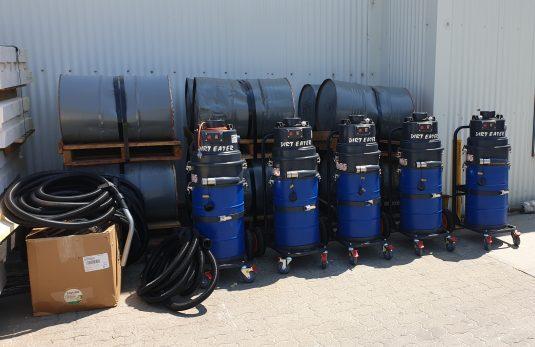
If you're using H Class vacuum cleaners in Australia, you're
probably dealing with some serious dust—maybe even hazardous types like silica
or asbestos. These vacuums are built tough, but they’re not invincible. Regular
maintenance is not just good practice—it’s essential. Whether you're in
construction, mining, or manufacturing, knowing how to maintain these machines
keeps your team safe and your operations smooth.
Understanding H Class Vacuum Cleaners
What Makes Them “H Class”
H Class vacuums are designed to handle highly hazardous
dust. "H" stands for "High risk"—dust that can cause
serious harm if inhaled. Think silica, asbestos, and carcinogenic particles.
They're equipped with high-efficiency filters and strict containment systems.
Their Role in Hazardous Dust Management
In Australia, industrial regulations demand the use of H
Class vacuums for any task involving potentially dangerous dust. These machines
aren’t optional—they’re legally required in many scenarios.
Common Industrial Uses in Australia
You'll find these vacuums in places like mines, demolition
sites, and manufacturing plants. They're often used alongside other tools to
ensure dangerous particles don’t escape into the air.
Key Components of H Class Vacuum Cleaners
HEPA Filters
HEPA (High-Efficiency Particulate Air) filters are the heart
of any H Class vacuum. They trap 99.995% of particles—so maintaining them is
crucial.
Motor Unit
This is the power core. If your motor isn’t functioning
well, everything else suffers. Keeping it clean and tested regularly is
non-negotiable.
Collection Bin and Bags
Dust is collected in sealed bags or containers, depending on
the model. Never reuse disposable bags in H Class vacuums—it’s a safety hazard.
Hoses and Nozzles
These parts do the heavy lifting and are prone to wear and
tear. Cracks or leaks can cause serious exposure risks.
Daily Maintenance Tips
Check and Clean Filters
Before and after every use, visually inspect the filters.
Use a brush or gentle vacuum to clean the outer layers if needed—but don’t
compromise their integrity.
Inspect for Blockages
Blocked hoses and filters lead to reduced performance. Run a
simple suction test and clear any clogs immediately.
Wipe Down External Surfaces
Dust can cling to the outside. Use a damp cloth to clean the
housing—this also gives you a chance to spot any visible damage.
Weekly Maintenance Guide
Deeper Filter Cleaning or Replacement
Some filters are washable; others need replacing. Follow
manufacturer guidelines. If you’re unsure, contact Industrial Vacuum
Services Australia for advice.
Hose Integrity Check
Flex and inspect the full length of your hoses. Tiny cracks
can mean major leaks in containment.
Collection Bin Cleaning
Empty and sanitize the collection bin with appropriate
cleaning agents. Always wear gloves and a mask.
Monthly Maintenance Schedule
Electrical System Test
Ensure cords, plugs, and switches are functioning properly.
Look out for fraying or exposed wiring.
Motor Performance Inspection
If your motor sounds off or smells strange, it’s time for a
check-up—before it burns out completely.
Suction Power Calibration
Use a simple test (like lifting a known weight) to measure
suction strength. A drop in power indicates a deeper issue.
Storage Best Practices
Ideal Environmental Conditions
Keep your vacuum in a dry, dust-free area. Moisture and
extreme temperatures can ruin the motor and filters.
Storing Accessories Correctly
Don’t toss accessories into a random bin. Keep them clean,
organized, and easily accessible.
Signs Your H Class Vacuum Needs Service
Reduced Suction Power
It’s the most obvious sign something's wrong. Could be the
filter, motor, or a clog somewhere.
Strange Noises or Odors
Unusual sounds or smells are early warnings. Don’t ignore
them.
Filter Replacement Indicators
Some models have sensors—don’t override them! If the light
says it’s time, it’s time.
Importance of Professional Servicing
When to Call Industrial Vacuum Services
Australia
If you’re unsure about maintenance steps or suspect a deeper
issue, get help. DIY only goes so far.
What to Expect from a Professional Service
A certified technician can inspect, test, and replace parts
without risking contamination or damage to your unit.
Choosing the Right Replacement Parts
Genuine vs. Generic Parts
Always choose genuine parts—especially filters. H Class
vacuums are certified as a complete system. Generic parts can void compliance.
Where to Source in Australia
Need replacements? Look no further than Industrial Vacuums Australia
or Industrial Vacuum Cleaners Australia—both offer fast, reliable
shipping and expert support.
Safety Tips When Maintaining H Class Vacuums
PPE Requirements
Always wear gloves, a mask (preferably a P2 or N95), and
safety glasses when handling filters or dust.
Avoiding Cross-Contamination
Work in a dedicated area and never bring contaminated parts
near food or communal areas.
Environmental Responsibility in Disposal
Safe Dust Disposal Practices
Seal used bags in heavy-duty plastic and label them clearly.
Dispose of them according to local hazardous waste guidelines.
Sustainable Maintenance Routines
Use reusable filters where safe and reduce waste through
scheduled servicing and responsible storage.
Benefits of Proper Maintenance
Increased Lifespan
Well-maintained vacuums last years longer than neglected
ones.
Improved Performance
Consistent maintenance keeps suction strong and ensures
effective containment.
Enhanced Safety
Most importantly, proper maintenance keeps you and your team
safe from dangerous dust exposure.
Conclusion
Maintaining your H Class vacuum isn’t just about
longevity—it’s about safety, compliance, and performance. Whether you’re in
construction, mining, or any other industry dealing with hazardous dust, a few
simple habits can make a world of difference. Use this guide as your go-to
checklist, and don’t hesitate to reach out to Industrial Vacuum Cleaners
Australia for professional support. With the right care, your
vacuum will serve you—and protect you—for years to come.
FAQs
1. How often should H Class vacuum filters be replaced?
Typically every 6–12 months depending on use, but always follow the
manufacturer’s guidelines.
2. Can I use standard bags in H Class vacuums?
No. You must use certified, sealed bags designed for hazardous dust.
3. What makes a vacuum suitable for hazardous dust?
Certified HEPA filtration, leak-proof containment, and compliance with H Class
standards.
4. Where can I find Industrial Vacuum Cleaners
Australia-wide?
Check Industrial Vacuums Australia—they offer a wide range of compliant
models and accessories.
5. Do Industrial Vacuum Services Australia offer on-site
repair?
Yes, many service providers offer on-site maintenance and repairs across
Australia.
Post Your Ad Here
Comments