Tiger Photography Tour in India: Capture the Majestic Bengal Tiger
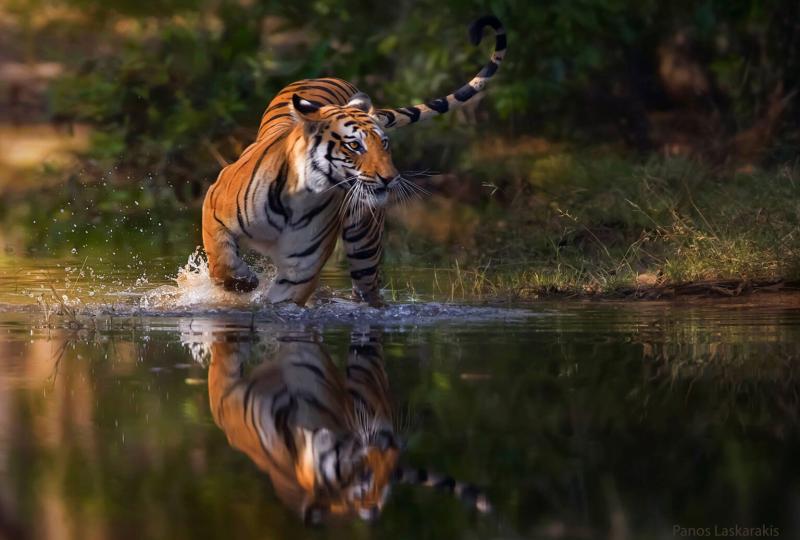
India is home to over 75% of the
world’s wild tigers, making it the best place to photograph these stunning
animals in their natural habitat. A tiger photography tour in India, led by
expert guides, offers an exciting adventure for wildlife lovers and photographers.
With breathtaking landscapes and thriving tiger populations, you can capture
incredible shots of the majestic Bengal tiger. This article explains what makes
these tours special, the best time to go, and the top national parks for tiger
photography.
Why
Choose a Tiger Photography Tour with an Expert Guide?
A Tiger photography tour with
an expert guide ensures you get the best experience. Here’s why:
- Expert Knowledge:
Guides know tiger behavior, tracks, and the best spots for sightings. They
help you position your camera for perfect shots.
- Safety First:
Trained naturalists ensure you stay safe while respecting the tigers’
space.
- Photography Tips:
Guides often share tips on lighting, angles, and camera settings to help
you capture dramatic photos.
- Exclusive Access:
Expert-led tours often use private jeeps, giving you more flexibility and
closer access to wildlife compared to shared safaris.
- Eco-Friendly:
Reputable tours follow park rules, supporting tiger conservation and local
communities.
With an expert guide, you’re more
likely to see tigers and get stunning photos while learning about their habitat
and conservation efforts.
What
Is the Best Time for a Tiger Photography Tour in India?
Timing is key for a successful Tiger
photography tour. The best time depends on the weather, tiger behavior, and
visibility. Here’s a simple breakdown:
- Summer (March to June): This is the top season for tiger photography. Hot
weather means tigers come to waterholes to drink, making them easier to
spot. Thinner vegetation also improves visibility. March to April offers
pleasant mornings, while May and June can be very hot (up to 40°C or
104°F), but tigers are more active near water sources. This season is
ideal for clear, dramatic shots.
- Winter (November to February): Cooler temperatures (10°C to 30°C or 50°F to 86°F)
make this a comfortable time for safaris. The jungle is lush, and
migratory birds add to the photography opportunities. However, dense
foliage can make tiger sightings trickier. November to December is great
for scenic shots with vibrant landscapes.
- Monsoon (July to October): Many parks close during heavy rains, but buffer zones
may stay open. The lush greenery is beautiful, but spotting tigers is
harder due to thick vegetation. This season suits photographers who want
unique, misty jungle shots and fewer crowds.
Best Choice: For the highest chance of tiger sightings and great
photos, plan your tour between March and June, especially in April and
May, when tigers are drawn to waterholes. Book safaris 4-5 months in advance,
as permits for core zones sell out quickly.
Which
National Parks Are Ideal for Tiger Photography?
India has over 50 tiger reserves,
but some stand out for photography due to their high tiger populations, diverse
landscapes, and accessibility. Here are the top national parks for a tiger
photography tour:
1.
Bandhavgarh National Park (Madhya Pradesh)
- Why It’s Great:
Bandhavgarh has one of the highest tiger densities in India, increasing
your chances of sightings. Its mix of forests, meadows, and rocky terrains
creates stunning backdrops for photos.
- Photography Highlights: Capture tigers hunting or resting near waterholes.
The golden hour light enhances shots in open areas. The park also has over
300 bird species for added variety.
- Tour Tips:
Book full-day safaris for flexibility across zones. Expert guides can help
you track tigers using pugmarks (footprints).
2.
Kanha National Park (Madhya Pradesh)
- Why It’s Great:
Known as “Tiger Paradise,” Kanha offers a healthy tiger population and
beautiful meadows, forests, and lakes. Tigers here are used to jeeps,
making them easier to photograph.
- Photography Highlights: Shoot tigers in open grasslands or near water bodies.
The park’s barasingha deer and over 300 bird species add variety to your
portfolio.
- Tour Tips:
Opt for morning safaris for soft lighting. Kanha’s photography zones are
perfect for capturing tigers in action.
3.
Ranthambore National Park (Rajasthan)
- Why It’s Great:
Famous for its thriving tiger population, Ranthambore offers dramatic
landscapes with lakes, hills, and the historic Ranthambore Fort. Tigers
here are comfortable with jeeps, allowing eye-level shots.
- Photography Highlights: Capture tigers against the fort or near lakes with
migratory birds. Zones 1-5 are best for sightings.
- Tour Tips:
Book Zones 1-5 for higher tiger sighting chances. November to December
offers picturesque scenery for photos.
4.
Tadoba Andhari Tiger Reserve (Maharashtra)
- Why It’s Great:
Tadoba has over 100 tigers and is less crowded, offering a peaceful
photography experience. Its teak forests, lakes, and bamboo groves create
unique settings.
- Photography Highlights: Photograph tigers near Tadoba Lake or in bamboo
groves. Boat safaris at Irai Lake add bird photography opportunities.
- Tour Tips:
Full-day safaris give you more time to capture tigers in varied lighting.
Check the camera permit rules, as mobile phones may not be allowed.
5.
Pench National Park (Madhya Pradesh and Maharashtra)
- Why It’s Great:
Inspired by The Jungle Book, Pench has rich biodiversity and a mix
of grasslands, forests, and the Pench River. It’s great for spotting
tigers and leopards.
- Photography Highlights: Capture tigers emerging from tall grass or by the
river. Night safaris (with special permits) offer shots of nocturnal
animals.
- Tour Tips:
Summer months (April to June) are best for sightings due to golden-yellow
landscapes and better visibility.
Tips
for Success:
- Choose a Reputable Operator: Companies like Mp Tiger Safari offer
expert-guided photography tours with luxury lodges.
- Pack Right:
Bring a telephoto lens, zoom lens, and sturdy tripod for low-light shots.
Dress in neutral colors to blend in.
- Follow Rules:
Keep a safe distance, avoid flash photography, and stay silent to respect
wildlife.
- Be Patient:
Tigers are elusive, so multiple safaris increase your chances. Enjoy other
wildlife like leopards, sloth bears, and birds while waiting.
Final
Thoughts
A Tiger tour in India is a
thrilling way to capture the beauty of Bengal tigers in their natural home.
With an expert guide, you’ll learn about tiger behavior, get the best photo
opportunities, and support conservation efforts. The best time to go is March
to June for clear sightings, with Bandhavgarh, Kanha, Ranthambore, Tadoba, and
Pench being the top parks for stunning shots. Plan ahead, book early, and get
ready for an unforgettable adventure in India’s wild heart.
Ready to start your tiger photography
journey? Contact a trusted tour operator like Mp Tiger Safari to plan your
perfect trip!

Post Your Ad Here
Comments