Roar of the Wild: Unforgettable Tiger Tours and Photography Adventures in India
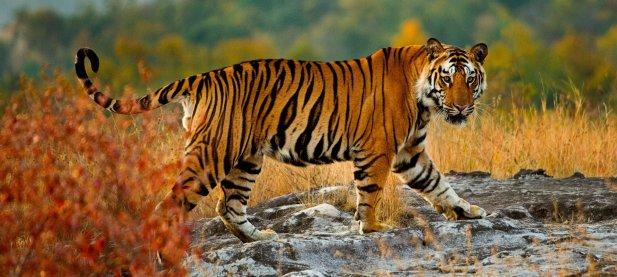
India, the land of vibrant cultures
and breathtaking landscapes, is also home to the majestic Bengal tiger. For
wildlife enthusiasts and photography aficionados, a tiger tour in India offers
an unparalleled opportunity to witness these magnificent creatures in their
natural habitat. From the dense jungles of Ranthambore to the lush forests of
Bandhavgarh, tiger tours and specialized photography expeditions promise
adventure, awe, and unforgettable memories. This guide dives into the best
tiger tours in India, highlights top destinations, and provides essential tips
for capturing stunning tiger photographs.
Why
Choose a Tiger Tour in India?
India hosts over 70% of the world’s
wild tiger population, with approximately 3,167 tigers recorded in the 2022
census by the National Tiger Conservation Authority (NTCA). The country’s
diverse ecosystems, protected national parks, and robust conservation efforts
make it a premier destination for tiger spotting. Whether you’re an avid
wildlife photographer or simply a nature lover, a tiger tour offers:
- Close Encounters:
Guided safaris in open jeeps or canters bring you face-to-face with tigers
in their natural environment.
- Expert Guidance:
Knowledgeable naturalists and guides provide valuable insights into tiger behavior and conservation, enhancing your experience.
- Photography Opportunities: Specialized tiger photography tours provide extended
access, prime positioning, and professional tips for capturing the perfect
shot.
- Cultural Immersion:
Many tours combine wildlife adventures with visits to nearby cultural
landmarks, offering a holistic travel experience.
Top
Destinations for Tiger Tours in India
India’s national parks and tiger
reserves are renowned for their biodiversity and high tiger sighting
probabilities. Here are the top destinations for your Tiger Safari in India:
1.
Ranthambore National Park, Rajasthan
Nestled at the edge of the Aravali
and Vindhya hills, Ranthambore is one of India’s most famous tiger reserves.
Its mix of forests, lakes, and ancient ruins provides a dramatic backdrop for tiger
sightings.
- Why Visit?:
High tiger density with frequent sightings, especially around water
bodies. The park’s iconic Ranthambore Fort adds a historical charm.
- Photography Highlights: Zones 2, 3, and 4 offer excellent lighting and scenic
vistas, ideal for capturing tigers against rugged landscapes.
- Best Time:
October to April, with peak sightings from March to May when tigers
frequent waterholes.
- Tour Tip:
Book a private jeep safari for flexibility in tracking tigers and securing
prime photography spots.
2.
Bandhavgarh National Park, Madhya Pradesh
Known as the “Land of the White
Tiger,” Bandhavgarh boasts one of the highest tiger densities in India, making
it a hotspot for sightings.
- Why Visit?:
Smaller park size increases chances of spotting tigers, leopards, and
other wildlife. The park’s hilly terrain and ancient fort add to its
allure.
- Photography Highlights: The Tala and Magdhi zones are perfect for dramatic
shots, especially during early morning safaris when mist enhances the
ambiance.
- Best Time:
November to April, with April being ideal for tiger sightings due to
sparse vegetation.
- Tour Tip:
Opt for a photography-specific tour with extended safari hours for
uninterrupted shooting.
3.
Kanha National Park, Madhya Pradesh
Inspiring Rudyard Kipling’s The
Jungle Book, Kanha’s lush sal forests and sprawling meadows offer a
pristine setting for tiger tours.
- Why Visit?:
A well-managed reserve with a healthy tiger population and diverse
wildlife, including barasingha deer and leopards.
- Photography Highlights: The Kanha and Mukki zones provide open grasslands
ideal for action shots of tigers hunting or lounging.
- Best Time:
October to June, with February to April offering optimal visibility.
- Tour Tip:
Combine your tiger tour with a visit to nearby tribal villages for a
cultural experience.
4. Jim
Corbett National Park, Uttarakhand
India’s oldest national park, Jim
Corbett, is famed for its scenic beauty, with the Ramganga River and Himalayan
foothills as a backdrop.
- Why Visit?:
Offers a mix of tiger sightings and diverse fauna, including elephants and
crocodiles. The Dhikala zone is a hotspot for tiger activity.
- Photography Highlights: The riverine landscape and dense forests create
stunning compositions, especially during golden hour.
- Best Time:
November to June, with March to May being prime for tiger sightings.
- Tour Tip:
Stay in a forest rest house within the park for an immersive experience.
5.
Tadoba-Andhari Tiger Reserve, Maharashtra
Often called the “Jewel of
Vidarbha,” Tadoba is a rising star in tiger tourism, known for its high
sighting success rate.
- Why Visit?:
Large tiger population and fewer crowds compared to other parks, offering
a more intimate experience.
- Photography Highlights: The Tadoba Lake and open meadows provide clear shots,
especially during evening safaris.
- Best Time:
October to May, with April and May offering excellent visibility.
- Tour Tip:
Book a guide with expertise in tracking specific tigers like Maya, the
park’s famous tigress.
Planning
Your Tiger Photography Tour
A specialized Tiger photography tour is designed for enthusiasts eager to capture the perfect shot. These
tours differ from standard safaris by offering:
- Exclusive Access:
Photography tours often secure permits for full-day safaris, allowing you
to follow tigers without time constraints.
- Expert Mentors:
Professional wildlife photographers guide you on composition, lighting,
and equipment settings.
- Prime Positioning:
Vehicles are positioned for optimal angles, ensuring unobstructed views.
- Gear Support:
Some tours provide tripods, beanbags, and even lens rentals for
high-quality shots.
Essential
Photography Tips
- Gear Up:
Use a DSLR or mirrorless camera with a telephoto lens (200-600mm) for
sharp, close-up shots. A bean bag or monopod stabilizes your camera in a
jeep.
- Master Settings:
Shoot in RAW format, use a fast shutter speed (1/500s or higher) for
action shots, and adjust ISO for low-light conditions during dawn or dusk.
- Focus on Behavior:
Capture tigers in action—yawning, stalking, or drinking—for dynamic
images. Patience is key!
- Respect Wildlife:
Maintain a safe distance and follow park guidelines to avoid disturbing
animals.
- Post-Processing:
Use software like Adobe Lightroom to enhance colors and contrast, bringing
out the tiger’s vivid stripes.
Choosing
the Right Tiger Tour Operator
Selecting a reputable tour operator
ensures a seamless and enriching experience. Look for operators offering:
- Experienced Naturalists: Guides with in-depth knowledge of tiger behavior and
park ecosystems.
- Small Groups:
Smaller groups (4-6 people) provide personalized attention and better
photography opportunities.
- Conservation Focus:
Choose operators supporting local conservation efforts, such as those
partnered with the NTCA or WWF-India.
- Customizable Itineraries: Combine tiger safaris with cultural excursions, like
visiting the Taj Mahal near Ranthambore or Khajuraho temples near
Bandhavgarh.
Practical
Information for Travelers
Best
Time to Visit
The ideal season for tiger tours is
October to June, when parks are open, and visibility is high due to dry
conditions. March to May is peak season for sightings, as tigers gather near
water sources.
How to
Book
- Permits:
Safari permits are limited and must be booked in advance through the
park’s official website or your tour operator. Photography permits may
require additional fees.
- Cost:
Standard safaris range from per person, while photography tours can cost
depending on duration and exclusivity.
- Accommodation:
Options range from budget lodges to luxury resorts like Taj Safaris in
Bandhavgarh or Oberoi Vanyavilas in Ranthambore.
Travel
Tips
- Clothing:
Wear neutral-colored, lightweight clothing and a hat for sun protection.
Carry binoculars and a water bottle.
- Health Precautions:
Apply insect repellent and carry sunscreen. Consult a doctor for malaria
prophylaxis in some regions.
- Connectivity:
Most parks have limited Wi-Fi, so plan for offline navigation and
communication.
Conservation
and Responsible Tourism
Tigers face threats from habitat
loss and poaching, but India’s conservation efforts have led to a steady
population increase. By choosing ethical tour operators and respecting park
rules, you contribute to these efforts. Avoid littering, maintain silence
during safaris, and support local communities by purchasing handicrafts or
dining at local eateries.
Conclusion
A Tiger Tour in India is more
than a vacation—it’s a journey into the heart of the wild, where the roar of a
tiger echoes through ancient forests. Whether you are aiming to capture a
prize-winning photograph or simply marvel at these iconic creatures, India’s
tiger reserves offer an adventure of a lifetime. Plan your trip, pack your
camera, and get ready to witness the king of the jungle in all its glory.
Ready to embark on your tiger
adventure? Book your tour today and let
India’s wilderness captivate your soul!

Post Your Ad Here
Comments