Driving Forward: Smart Solutions for UK Driving Schools to Thrive in 2025
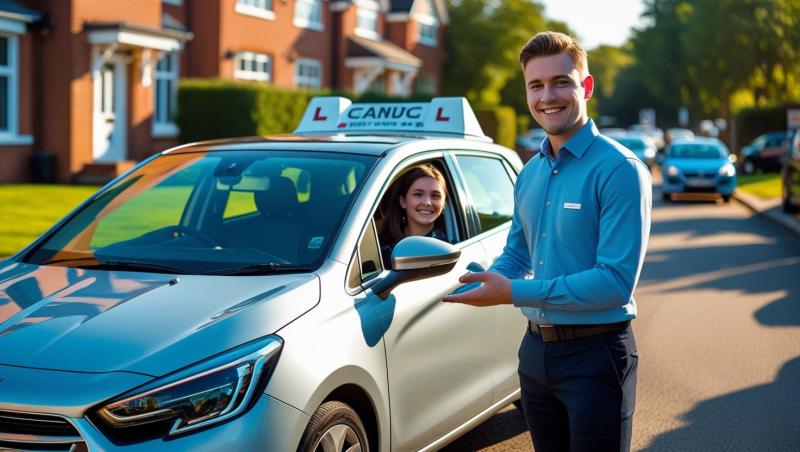
Think about a typical driving school scenario:
monthly card processing fees hitting £800, a shortage of instructors increasing
demand, and 20-week waits for tests leading to longer learning periods. Driving
schools across the UK are finding that adopting strategic payment technology
can turn their challenges into competitive advantages.
This transformation story is common it's
shaping how innovative driving schools are handling the toughest time in the
industry's history.
The Magnitude of the Current
Challenge
The numbers show a tough reality for an
industry facing significant pressure. As The
Guardian points out, waiting times for driving tests have hit 20
weeks, almost doubling from 14 weeks a year ago. About 75% of the 319 driving
test centres in Great Britain are at full capacity, with some fully booked for
the next six months.
This crisis extends beyond mere inconvenience.
Over the last ten years, there has been a 10% decline in approved driving
instructors, resulting in a situation where demand exceeds supply. Trainee
instructors are forced to wait for months to take their qualification exams,
and the high costs and complexities are deterring new individuals from pursuing
the profession.
One of the biggest worries is the rise of a
shadow economy where bots snap up test slots and then sell them at higher
prices to learners in need. Ruth Cadbury, who chairs the Commons transport
select committee, says, “We're all shocked about the booking system, and bots
and third parties being able to do what the Eavises have stopped for
Glastonbury tickets…” She points out that the crisis has opened doors for both
exploitation and genuine business growth.
Discovering Opportunities in
Tough Times
Amid the chaos, there’s a unique chance for driving
schools that are ready to adapt smartly. The supply shortage has changed market
dynamics significantly. Recent DVSA surveys indicate that typical hourly rates
are now between £36 and £40, with over 20% of instructors charging more than
£40 almost three times the rates from mid-2023.
This isn't just a temporary spike in prices;
it's a fundamental shift caused by scarcity in the economy. Driving schools
that used to compete mainly on price now have real pricing power. The numbers
are clear: an instructor putting in 25 hours a week at £40 an hour brings in
£46,000 a year, showing a notable rise from before the crisis.
The demographic base driving this demand is
still strong. In 2003, there was a birth spike, so about 794,383 people will be
turning 17 by 2025. This will keep demand steady, even as supply issues start
to improve. After the pandemic, people have changed their habits, steering
clear of public transport and opting for personal vehicles. This shift has
increased the demand for driving lessons and boosted the used car market in the
UK, as new drivers look for budget-friendly options.
Strategic Solutions: Moving from
Surviving to Thriving
Smart operators are realising that success
involves more than just increasing prices. Top schools are rolling out broad
transformation strategies to tackle various operational challenges at once.
Revolutionising Operational
Efficiency
The instructor shortage is challenging, but it
also presents schools with an opportunity to maximise their resources. Modern online
payment systems enable instructors to focus on teaching rather than being
bogged down with administrative tasks, and automated booking platforms help
reduce no-shows and optimise their schedules.
Schools using integrated technology solutions
see notable boosts in instructor productivity. With digital lesson tracking,
automated progress reports, and streamlined communication tools, instructors
can manage larger classes while maintaining quality.
A Game-Changer in Payment
Technology
There's a great chance to optimise payment
processing right now. Traditional card processing fees can take a big bite out
of margins, costing between 1.5% and 3.4% per transaction, along with monthly
charges. For a school with an annual budget of £100,000, these fees can add up
to between £2,500 and £3,500.
Wonderful,
a top open banking provider in the UK, shows how modern payment solutions can
change the game. Their platform enables driving schools to accept instant bank
payments through unbeatable packages, for example, 2,000 monthly transactions
for just £19.99 per month, and only 1p per transaction beyond the bundle. It
also includes QR Pay and
Pay by Link solutions via their mobile POS app,
One.
There's a clear difference: a £40 lesson using
traditional card systems could rack up fees of £1.20 or more, whereas open
banking payments might only cost 20p saving you £1 each time. When you look at thousands of lessons each
year, these savings add up to a significant amount of money back in the budget.
GoCardless provides helpful solutions with
advanced subscription management tools, allowing schools to set up recurring
billing for intensive courses and monthly packages. This method boosts cash
flow predictability and cuts down on administrative tasks.
If schools need flexible point-of-sale
options, Square offers a complete POS solution for small businesses that
combines traditional and modern payment methods, which is essential for
instructors working in various locations.
Premium Service Positioning
The supply-constrained market allows for
premium positioning strategies that weren't possible in more competitive
settings. Schools can stand out by offering complete instruction packages that
include theory support, hazard perception training, and advanced modules after
testing.
Specialised training is another great
opportunity to consider. Starting January 2025, electric vehicles will need to
make up at least 22% of new car sales. Schools that provide EV-specific
training can charge higher rates and prepare for the future of the industry.
Technology Integration: A
Competitive Edge
Modern small business payment systems provide
benefits that go beyond just saving money.
Instant settlement gives you immediate access to funds instead of
waiting 3-5 business days for traditional bank transfers. This is a key benefit
for managing cash flow in capital-intensive businesses.
The benefits for customer experience are quite
substantial. By 2025, it's anticipated that 30% of smartphone users will be
using QR code payments, offering the contactless experience that younger
learners are looking for. This trend reflects what's happening in UK taxi
services, where contactless payments are now the norm, showing that consumers
prefer smooth transactions.
Implementation Strategy
For a successful transformation, it's
important to implement changes systematically instead of making random
adjustments. Top schools take a systematic approach:
Phase
1: Review current payment costs and spot quick savings
by integrating open banking payments.
Phase
2: Put in place tech solutions to tackle issues with
booking, scheduling, and managing students.
Phase
3: Create premium service offerings by using enhanced
operational capacity and stronger market positioning.
Phase
4: Expand successful innovations to various locations
or instructor networks.
Creating Operations for the
Future
This crisis won't last forever, but the
operational improvements and competitive edges we've gained will stick around.
Schools that invest in modern payment technology, streamline operations, and
enhance their positioning are setting themselves up for a competitive edge in
the future.
Market normalisation is expected to take until
2026, giving plenty of time for strategic changes. Schools that come out of this period with
efficient operations, modern payment systems, and solid market positioning will
be well-prepared to succeed no matter what the future holds.
In conclusion
The UK driving test crisis of 2025 marks a
pivotal moment for the industry. Driving schools are facing unprecedented
challenges, including test waiting times of up to 20 weeks and a shortage of
qualified instructors. However, there are also opportunities for improvement.
By adopting smart growth
strategies for UK driving schools, businesses can navigate these
difficulties and enhance both profitability and long-term sustainability.
To succeed, you need to shift from just
managing crises to focusing on strategic transformation. Schools that adopt
modern payment solutions, streamline operations, and focus on premium
positioning aren't just getting by in today's chaos they're setting themselves
up for long-term success.
The real question isn't if the crisis will
end, but if schools will take this chance to create something better, more
efficient, and more profitable than what we had before. If you're ready for
change, this crisis isn't just something to get through it's a chance to take
advantage of.
Post Your Ad Here
Comments