Do Training Collars Actually Fix Bad Behavior in Big Dogs
Big dogs come with big personalities—and sometimes big behavior problems. If you’ve got a pup who barks non-stop, pulls like a freight train, or just flat-out ignores you, you know what I mean. That’s why a lot of dog owners start looking into tools like training collars. But do they really work? And more importantly, do they work without hurting your dog? Let’s break it down like you’re sitting across from a trainer who’s seen it all.

How Dogs Think (Dog’s Psychology)
Dogs don’t speak English, but they sure understand patterns. Especially the big breeds—they’re smart, but they need structure. When they get away with things, they start thinking they’re the boss. Training collars help by snapping their focus back to you in real-time. It’s not about pain—it’s about timing and clarity. The collar gives them a cue, like “Hey, pay attention,” which helps reinforce what you want.
What’s Really Going on Inside the Collar
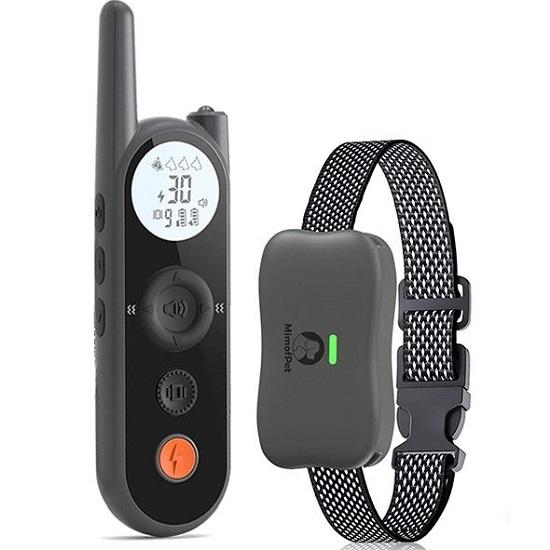
Now, let’s get into the tech. These collars aren’t like what people imagine. You’ve got beep modes, vibration settings, and even static levels that feel more like a tap than a shock. They’re adjustable for every dog’s comfort and personality. You’re not zapping your dog—you’re just interrupting a bad habit. Combine that with commands and treats, and suddenly things start clicking for your dog. It’s like giving your dog a second language they understand.
When Muscle Gets in the Way
If you’ve ever had your shoulder nearly yanked out on a walk, this part’s for you. Big dogs mean big strength, and sometimes they just bulldoze through commands. A training collar for large dogs levels the playing field a bit. You’re not dragging them or yelling—you’re just giving them a clear correction. It lets you stay cool and in control, which is half the battle with these powerhouse pups. Especially out in public, this tool can be a game-changer.
Keeping It Kind, Not Cruel
Let’s get one thing straight—this isn’t about scaring your dog. The best collars today are all about humane training. You’re not punishing—you’re communicating. Fear doesn’t fix anything, but fair correction builds trust. The collar just gives a little nudge, kind of like tapping a friend on the shoulder to get their attention. When done right, your dog learns to listen without getting anxious or nervous. That’s what real training looks like.
Making Good Habits Stick
Big dogs don’t learn overnight—it takes reps and consistency. A collar helps you stay consistent without losing your mind. Every time your dog messes up, they get the same cue. Pair it with your voice and rewards, and suddenly they’re learning fast. After a while, just the sound or feel of the collar is enough to keep them on track. Most owners don’t even need it forever—it’s just training wheels for better behavior.
Conclusion
Training a large dog isn’t about overpowering them—it’s about smarter communication. With the right tools and the right mindset, you can turn chaos into calm. Training collars, when used with care, give you that extra edge to connect with your dog and shape better behavior. At the end of the day, it’s about building a dog you can trust—and one that trusts you right back.
Post Your Ad Here
Comments