Ball Valve vs Plug Valve: Key Differences Every Engineer Should Know
The Crucial Role of Valve Selection in Industrial Systems
In industrial fluid handling, the performance and reliability of a system often hinge on one critical choice—the valve type. Whether dealing with corrosive chemicals, high-pressure steam, or sensitive gases, selecting the right valve can mean the difference between smooth operation and costly downtime. Two of the most commonly compared options are ball valves and plug valves. While both serve the primary purpose of regulating flow, their internal mechanisms, design considerations, and practical applications vary significantly. For engineers and maintenance professionals, understanding these distinctions isn’t just technical—it’s strategic.
Cair Euro, a trusted name in precision valve solutions, understands the importance of choosing the correct valve type for optimized plant performance. This article offers an in-depth comparison of ball valve vs plug valve systems to support informed, performance-driven decisions.
Construction and Design: Spherical vs Cylindrical Mechanisms
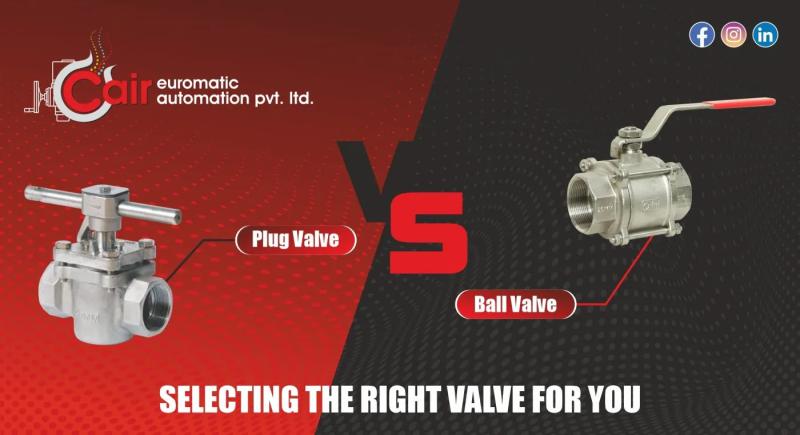
At their core, both ball valves and plug valves are quarter-turn valves used for on/off control. However, their design mechanisms are distinctly different.
Ball Valve: This valve uses a hollow, perforated ball that rotates within the valve body. When the ball's hole aligns with the pipeline, fluid flows freely; when turned, the solid side of the ball blocks the passage. The tight sealing capability, especially with Teflon or PTFE seats, makes ball valves suitable for high-pressure and high-temperature systems.
Plug Valve: Plug valves feature a tapered or cylindrical plug inside the body, with a passage drilled through it. As the plug rotates 90 degrees, the bore aligns or misaligns with the flow path. Plug valves are typically compact and require less installation space, but may involve higher operating torque, especially in larger sizes.
Performance Under Pressure: Which Valve Holds Strong?
In demanding environments like chemical plants, refineries, and oil & gas installations, valve durability and response under stress are non-negotiable.
Ball valves: are often preferred for high-pressure and high-volume applications due to their bubble-tight sealing and low torque operation. Their design minimizes pressure drops, making them efficient in energy-sensitive systems.
Plug valves: are robust and handle moderate pressure and temperature ranges well. They’re particularly effective for slurry or dirty fluids, as their simple design reduces clogging risks.
Key Insight: If you need reliable shut-off in high-pressure pipelines, ball valves typically offer superior sealing. For dirty or viscous media where maintenance access is critical, plug valves can be the better option.
Maintenance and Lifespan: Practical Considerations for Engineers
Maintenance is a critical factor in valve selection, especially in industries where downtime equates to revenue loss.
Ball valves: usually require less maintenance due to their minimal friction during operation. Their internal components are less exposed to wear, and with proper material selection, they can operate for years without significant degradation.
Plug valves: although durable, may require more frequent lubrication or resealing. However, their straightforward design allows for easy inline maintenance, which can be advantageous in certain plant configurations.
Application Suitability: Industry-Specific Preferences
Different industries lean toward specific valve types based on their process requirements:
Ball valves: dominate in petrochemical, power generation, and pharmaceutical sectors where clean flow and high-pressure tolerance are priorities.
Plug valves: are commonly used in wastewater treatment, pulp & paper, and mining industries, where resilience to abrasive or thick media is essential.
Cair Euro provides both valve types, custom-engineered to meet the demanding standards of diverse industries. Their commitment to quality and technical excellence ensures reliability across all applications.
Conclusion: Making the Right Valve Choice with Confidence
The debate of ball valve vs plug valve isn’t about which valve is universally better—it’s about which valve best fits the specific needs of your system. Engineers must weigh factors such as pressure, temperature, fluid characteristics, maintenance cycles, and installation footprint before making a decision.
Both valve types offer unique advantages. Ball valves deliver tight shutoff and low torque operation in high-performance systems. Plug valves shine in harsh, dirty, or abrasive conditions requiring quick serviceability.
For tailored advice and reliable solutions, industry leaders turn to Cair Euro, where performance, quality, and innovation meet. Whether you’re designing a new plant or upgrading critical flow components, selecting the right valve—backed by the right manufacturer—ensures long-term operational success.
Post Your Ad Here