Why is home internet so bad in the US?
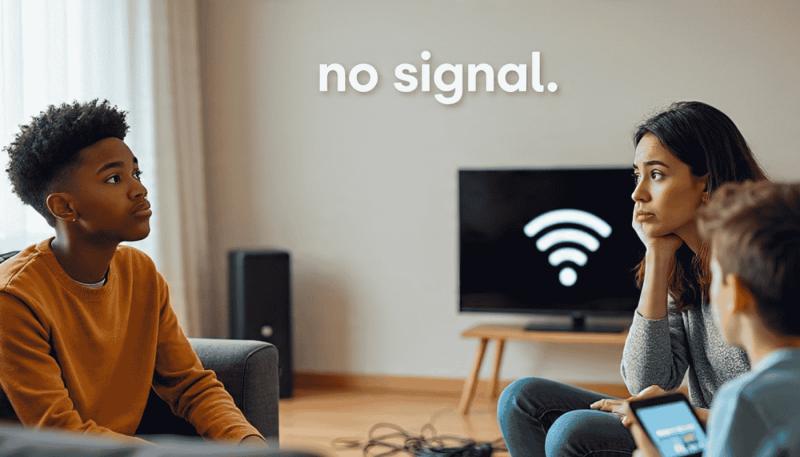
Slow or unstable home internet is a well-known source of headaches in the US. Effective solutions can be found by determining the underlying causes. Whether it is old fixed cable internet infrastructure. Or network congestion. Or choices in rural areas. Many factors may influence the speed and stability of your home internet. This guide will discuss these issues. And give useful hints to enhance your connection. Even if you are using a cable television provider or a wireless internet provider. You will be able to get a reliable internet service back home.
Why Is Home Internet So Bad in the US?
1. The Infrastructure Issue: Reach of Cable Internet Services
Cable internet service is widespread in US households. Fiber connections have the best possible speeds. But fiber-based connections are only available in the big cities. This leaves most of the country reliant on 30-year-old cable or even DSL facilities. Such infrastructure does not necessarily accommodate fast home internet connectivity.
2. Advertised vs. Actual Internet Speeds
The first is the disconnect between the promise made by the providers and the actual delivery of service. Many high-profile cable Internet providers and fiber companies tend to promise the 1000 Mbps download speed (so-called gig speed). But real customers usually obtain only roughly a third of what they are billed. As an example, the typical home cable package sells 404 Mbps performance. But only 168 Mbps in practice.
3. Network Congestion and Throttling
There is a tendency toward slowdown during peak hours, especially with cable internet service. Most ISPs also throttle heavy users or congested times, and intentionally burn your connection whether at the high end of any package or otherwise.
4. Home Networking Problems
Even when your ISP can provide your modem with high speeds, you may often be unable to use them due to in-home problems.
Old or inadequate routers and modems that cannot support new speed standards.
Wi-Fi is being interfered with by other electronic devices or nearby networks.
5. Bandwidth Overload
Each new network-connected product, phones, game consoles, smart televisions, security cameras, and home assistants, requires a portion of bandwidth. When streaming or playing games, you need to be careful. Not to overload the network capacity of your home. Especially when using the lower plans or wireless internet provider plans.
6. Geographic Disparity and Wireless Internet Provider Constraints
In rural areas, most Americans use wireless companies, orbit, or DSL. These technologies still have considerably slower home internet speed than urban cable or fiber, with lower resilience against weather, signal blockage, and latency.
How to Solve Home Internet Issues in the US
Check your speed- Do regular speed tests with your router, both using a wire (Ethernet) and without. Compare your results with your internet plan's advertised amounts.
Locate your router- Place it in an open, central location at a high position. Avoid closets or behind big furniture to get the Wi-Fi signal in more rooms.
Upgrade Your Equipment- Purchase a new router and modem that are compatible with your service plan and match the maximum speed. To cover very large houses, mesh Wi-Fi or Wi-Fi extenders may help.
Manage bandwidth- Avoid having many high-use devices on the network simultaneously. Plan downtime of heavy downloads and updates when traffic is low.
Test cable damage- Check wires and replace or fix them in case of wear. When you suspect there are problems with the outside line, request your internet service provider (ISP) to check on it.
Compare other providers- If you consistently experience low speed or poor reliability, the situation is much better in most regions with newer wireless internet companies or satellite services taking over.
Make your network secure- Use strong Wi-Fi passwords, update the firmware, and only enable approved devices to connect.
Conclusion
Improving home internet in the United States begins with understanding its issues. Aging cable lines. Crowded networks. And limited options for citizens of rural communities. Most of these problems are fixable. With the help of tuning your at-home equipment. Managing device bandwidth. And trying different options like wireless internet providers. Research and action will prevent frequent problems. And make your home network faster and reliable with more people involved. To know more about Internet plans, connect with the My TV Internet customer care number.

Post Your Ad Here
Comments