How to Test Your Internet Speed Accurately DSL vs Fiber Speed Guide.
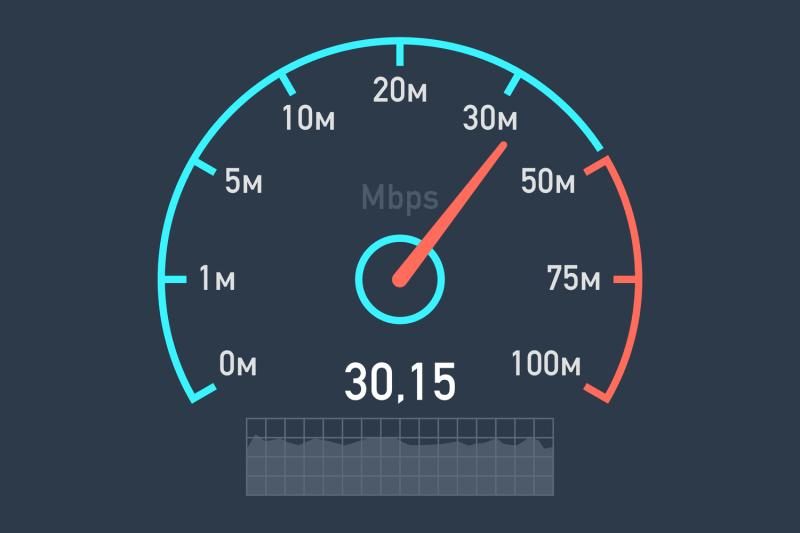
Choosing between DSL and a Fiber connection is tricky if your current ISP plan can handle heavy streaming, gaming, or work-from-home. Honestly speaking, speed tests nowadays have set DSL from somewhere near 1–100 Mbps, whilst fiber begins from about 100 Mbps and tops out at 1 GigaBits (or more). As expected, fiber comes with much higher upload speeds and greatly reduced latency. You can verify both download and upload speeds and latency, then compare these values to an average DSL and fiber connection.
DSL vs Fiber Speed: What Makes Them Different?
The main distinction is in terms of the speed difference when it comes to DSL and Fiber connections.
DSL speeds or bandwidth range from 5 mbps average up to 100 mbps download, with 1-10 mbps being the usual, depending on your distance from the telco central office and line conditions.
Fiber connections can offer anywhere from 100 mbps up to over 1 GigaBit for both upload and download, with some service providers advertising up to 8 GigaBits on their top service in many sectors.
Fiber is much quicker as opposed to copper wire which is unable to maintain speed over long distances because in copper-based technologies, routers and their software manipulate the signals to increase speed over a distance whereas in fiber all what is done is the light traveling through a glass or plastic wire. . Fiber optics offer the lowest latencies that are needed for video call quality and proper online gameplay.
Quick Ideas for Testing Net Speed: Step-by-Step
Here is the test for your ringside DSL vs Fiber Speed play: keep it clean and test repeatedly.
Factors to Help You Test Your Internet Speed
The renowned online speed test tools available on the major testing sites work in one shot to give you a speed test of Upload, download, and ping.
Select a local server: most of the time, automatic will work for better results and do not run any VPN, as it could slow down or redirect the route of the connection while being tested.
Test on a wired connection if possible
Make the best out of your high-speed connection by connecting your computer directly to the cable modem or router; use the Ethernet cable first. This is the way to gain fair results. Both Wi-Fi or Ethernet can carry huge differences. Even if you have a very fast connection, the Wi-Fi can reduce speed.
Then, if you wish to continue testing from Wi-Fi, please make sure you are close to the router, do away with obstacles, and try to keep away other devices in the vicinity from wireless configuration so that they "pose less of a barrier to your Internet connection."
Conduct a series of tests at different times
Try the morning, evening, and late into the night so you can really see how much congestion affects the numbers.
Try to figure out an average from all these values: guess this would be better than just a singular test.
Comparing Your Actual Speeds with Your ISP’s Advertised Speeds
If you pay for an “up to” 100 Mbps DSL service and every speed test you make yields 15–20 Mbps, your connection might be operating below average, with digital subscriber loop latency on old lines or over long distances.
You should expect to pay some type of price with fiber if you are receiving 80–90% of your advertised speed.
What Do Your Actual Speed Results Mean for Actual Usage?
After testing, put your DSL vs. Fiber Speed test outcomes in a chart that correlates with your online activity:
Casual browsing & emailing: 5–10 Mbps download generally works, which most areas' DSL offers.
HD streaming for 1–2 devices: 25–50 Mbps download recommended, with high Mbps DSL capable, whereas fiber really outpaces DSL here.
Fiber connections become strictly better than DSL as more and more devices are connected; the best choice for things such as 4K streaming, multiple users, and online backups will involve the higher speeds, about 100–300 Mbps or, in truth, possibly more.
How to Use Tests to Decide Between DSL Internet Providers and Fiber
These are the steps to help you decide between a DSL and fiber option by testing:
The `up to` and `expected` rates will say the providers are listing in general advertisements for your address. Some basic research will direct you here. Do a speed test on your very own internet.
In the case where even DSL topping out at 25–50 Mbps has fiber at speeds of 300 Mbps or gigabit at a similar rate, Households serving more than one user will almost always get the best internet value from fiber.
Wrap Up!
If you find that your speed is always way below what you really pay for, promptly call your Internet service provider. They may sort out their line problems, change their modem, or shall provide you with a better plan.
By testing and knowing the fundamental differences between DSL's copper vs fiber's glass strands, better decisions can be made with regards to upgrading options—and thus ensuring that the faster internet service you are paying for.
Post Your Ad Here
Comments