Common Traits of Fake Online Stores: What to Watch Out For
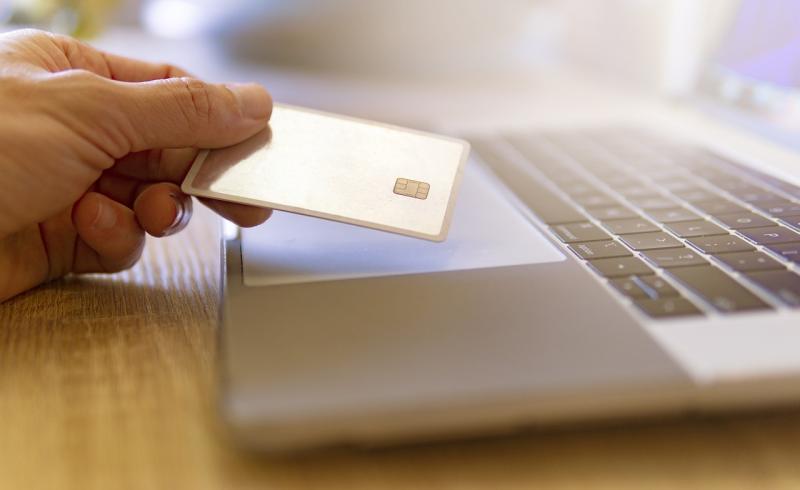
The rise of e-commerce has made shopping
online more convenient than ever. But along with this convenience is an
increasing amount of fake websites that are set up to take users’ money and
personal details. Phony retailers of the sort that thrive on platforms like
Facebook and Instagram are becoming more professionalized, well-constructed
enough that it's difficult to tell the difference between a scam and a
legitimate online business. Thankfully, consumers can detect the
characteristics of fraudulent online stores, and with the help of tools such as
a scam website checker,
they can stay completely protected and safe.
Incredible Prices That Seem Too Good to Be True
Over the years, questionable pricing will
be the biggest red flag. When a site is offering designer apparel for a
fraction of the price, name brands for less, or high-end tech items at
rock-bottom prices, you should be suspicious. Scammers know that large
discounts are tempting and they bait shoppers to provide their credit card
information. Always shop around and compare prices at several sites. If
something is too good to be true, then it likely is.
Poor Website Design and Grammar
Honest businesses have spent money on
their website to make it look professional and reliable. The fake online stores
can simply look outdated, with poor design, faulty grammar, and a lack of
sensitive references. It’s not that one typo means a site must be a scam, but a
pattern of poor-quality writing or strange phrasing might show scammers threw
together the site quickly.
Lack of Contact Information
Legit online shops will provide their
contact details, such as an address, telephone number, and customer service
email. Scam websites offer only a generic contact form or email address. Even
if an address is posted, double-check with a map or a search engine. A contact
page that is missing or looks suspicious is a big warning sign.
No Secure Payment Options
If you’re shopping online, find out if
payment is secure, such as by credit or through a reputable processor such as
PayPal. Gray says counterfeit sites might request payment via wire transfer,
cryptocurrency, or some other untraceable method — it is unlikely you will get
your money back if you are scammed. And, be sure the URL begins with “https://”
— the “s” signifies that the site is secure and encrypts your data.
Unrealistic or Missing Return Policy
Reputable sellers will have easy-to-find
return and refund policies. Scam websites will typically either have ambiguous
return policies or avoid mentioning them completely. Before you buy anything,
especially from a seller you don’t know, always look at a site’s return policy.
No Social Media Presence
Most real-world businesses, even the
small ones, have some type of social media presence for engaging with
customers. If a business has no social media links or, worse, if those links
lead to dead or nonactive pages, it might be a bad sign. Review other shoppers’
reviews and comments about the company to determine its reputation.
Artificial Reviews or No Reviewsрос
Scam sites may feature fictitious
reviews, generated by bots or taken from elsewhere. These reviews are usually
very glowing about the product in vague language with no specifics. A reputable
online store will have a range of reviews — some gushing, some critical. Use
caution with any site that has no reviews or nothing but suspiciously perfect
reviews.
Use a Scam Website Checker
If you’re questioning the authenticity of a site that claims to sell clothes, one of the very best things you can do to be well on the safe side is to put the site through a scam website checker. These techniques look at things like the age of the domain, user feedback, website history, and if the site is secure to help determine if a site is real or not.

Post Your Ad Here
Comments