Home Renovation in Manhattan: Design Trends and Important Permitting Rules
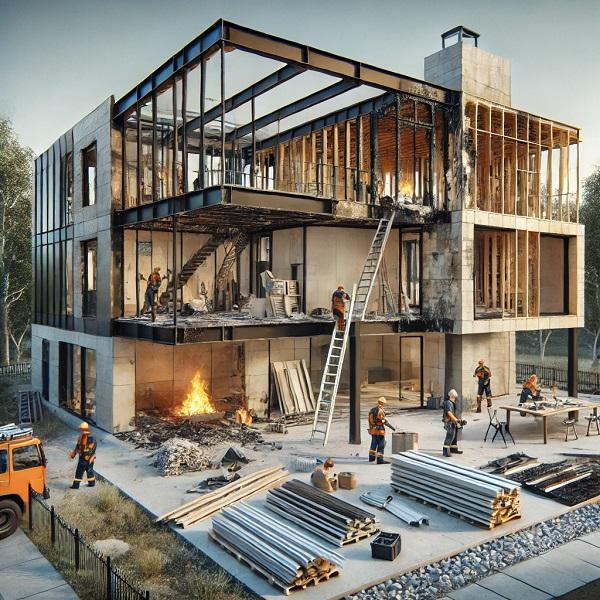
Renovating a home Manhattan is an
exciting opportunity to blend the city's rich architectural history with modern
design trends. Whether you’re updating a historic brownstone or a sleek
high-rise apartment, understanding current design trends and navigating the
complex permitting rules are essential for a successful renovation. This guide
provides insights into popular design trends and outlines the key permitting rules
you need to follow.
Design Trends in Manhattan Home Renovations
1. Open-Concept Living
Open-concept living remains a popular design trend in
Manhattan homes. By removing walls and creating fluid spaces, homeowners can
make even the smallest apartments feel more spacious and airy. This design
approach also enhances natural light flow and fosters a sense of connectivity
between living, dining, and kitchen areas.
2. Sustainable and Eco-Friendly Materials
Sustainability is a growing priority for Manhattan
homeowners. The use of eco-friendly materials such as reclaimed wood, recycled
metal, and low-VOC (volatile organic compounds) paints is on the rise.
Incorporating energy-efficient appliances and systems, such as smart
thermostats and LED lighting, not only reduces environmental impact but also
lowers utility costs.
3. Smart Home Technology
Integrating smart home technology is a trend that shows no
signs of slowing down. From smart lighting and automated window treatments to
advanced security systems and voice-controlled assistants, these innovations
offer convenience, security, and energy efficiency. Homeowners can control and
monitor their homes remotely, making smart technology an appealing feature in
modern renovations.
4. Luxurious Bathrooms
Bathrooms have evolved from purely functional spaces to
luxurious retreats. High-end materials, such as marble and custom cabinetry,
are popular choices. Spa-like features, including rainfall showers, soaking
tubs, and heated floors, create a sense of indulgence and relaxation. Smart
mirrors with built-in lighting and temperature controls add a modern touch.
5. Multifunctional Spaces
With limited space in many Manhattan homes, multifunctional
design is essential. Furniture and spaces that serve multiple purposes, such as
convertible sofas, wall-mounted desks, and foldable dining tables, maximize
usability without compromising on style. Custom built-ins and storage solutions
help keep spaces organized and clutter-free.
6. Embracing Natural Light
Maximizing natural light is a key design consideration in
Manhattan renovations. Large windows, glass doors, and skylights enhance the
sense of space and bring in an abundance of natural light. Light-colored paint,
reflective surfaces, and strategically placed mirrors amplify the effect,
creating bright and welcoming interiors.
Important Permitting Rules for Manhattan Home Renovations
1. Understanding NYC Building Codes
Before embarking on a renovation project, familiarize
yourself with the NYC Building Codes. These codes govern various aspects of
construction, including structural integrity, fire safety, plumbing, electrical
systems, and more. Compliance with these codes is mandatory to ensure the
safety and legality of your renovation.
2. Obtaining Necessary Permits
Most home renovation projects in Manhattan require permits
from the NYC Department of Buildings (DOB). Common permits include:
·
Building Permit: Required for structural
changes, additions, and major renovations.
·
Plumbing Permit: Needed for modifications to
plumbing systems.
·
Electrical Permit: Required for electrical work,
including rewiring and installation of new fixtures.
Submit detailed plans and documentation, including
architectural drawings, to the DOB for review. Permits must be obtained before
commencing any work.
3. Landmarks Preservation Commission (LPC) Approval
If your property is located within a designated historic
district or is a landmark, additional approval from the Landmarks Preservation
Commission (LPC) is required. The LPC ensures that renovations preserve the
historic and architectural integrity of the building. Work with a preservation
architect to navigate the approval process and ensure compliance with LPC
guidelines.
4. Compliance with Zoning Regulations
Manhattan is divided into various zoning districts, each
with specific regulations regarding land use, building height, setbacks, and
more. Ensure that your renovation complies with the zoning regulations for your
property’s location. Consult the NYC Zoning Resolution for detailed
information.
5. Working with Licensed Professionals
Hiring licensed professionals, such as architects,
engineers, and contractors, is crucial for a successful renovation. These
experts have the knowledge and experience to navigate the permitting process,
ensure compliance with building codes, and execute high-quality work.
6. Scheduling Inspections
Throughout the renovation process, schedule inspections with
the DOB to verify that the work complies with approved plans and building
codes. Inspections are typically required at various stages, including
foundation work, framing, plumbing, electrical, and final completion.
Conclusion
Renovating
a home in Manhattan offers the opportunity to blend modern design trends
with the city’s unique architectural character. By embracing current design
trends and adhering to important permitting rules, homeowners can create
beautiful, functional, and compliant living spaces. Thorough planning,
attention to detail, and collaboration with licensed professionals are key to a
successful renovation project in the vibrant heart of New York City. For
top-notch NYC facade inspections and expert building maintenance, visit Zicklincontracting.com for all
your construction needs.
Post Your Ad Here
Comments