The high street advantage: Thriving in a shifting retail landscape
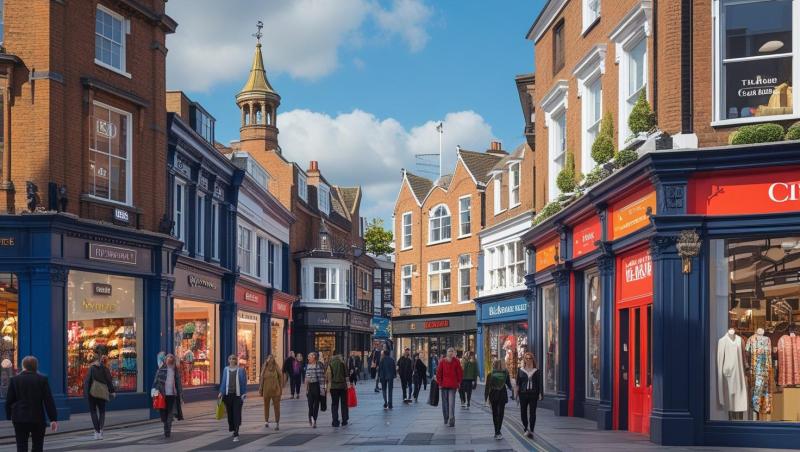
Amid the buzz about
store closures and vacant spaces, a subtle change is underway in Britain's
retail scene. Smart high street retailers are discovering that today's
challenges, such as digital payments and shifting consumer behaviour, can be
turned into competitive advantages with the right strategy.
The statistics indicate that the
market is evolving, not disappearing.
According to a report published in The Guardian, and based on data from the Centre for Retail Research, 13,479 retail
stores closed in 2024. Independent retailers accounted for 84.1% of those
closures, up from 74.5% the previous year.This focus indicates that there are
structural issues tied to independent operations, not just a broad market
downturn. Convenience stores and coffee
shops are the only categories showing consistent growth with net openings,
highlighting that success relies on adapting business models.
Retail
parks clearly show this trend, with outlet numbers only 3% below pre-pandemic
levels. In contrast, shopping centres have 25% fewer outlets, and high streets
are facing a 30% reduction. Successful
retail formats have some key traits in common: they’re accessible, convenient,
and operate efficiently.
Looking
ahead, predictions for 2025 are concerning: the Centre for Retail Research
estimates 17,300 store closures, with 14,660 of those being independent
retailers—almost double the 7,793 independents that shut down in 2024. These
projections highlight the need for adaptation strategies to ensure survival.
High street format vs Retail parks: Limitations and advantages
Consumer
spending trends show us the way ahead. Research from the Centre for Cities
indicates that thriving retail areas see residents spending £1 in every £4 on
dining and leisure, while struggling locations only see £1 in every £10. This
shows why places like York can keep retail sustainable even with high
shop-to-population ratios, while Newport and Blackpool struggle with vacancy
rates over 16%.
This
major retail restructuring shows the shift happening. Sainsbury's is cutting
3,000 jobs by closing all its in-store cafés, showing a shift away from
experience-based retail. Meanwhile, independent stores are going in the
opposite direction. The British Retail Consortium says retailers are looking at
an extra £70 billion in taxes due to policy changes, which makes efficiency and
standing out more important than ever.
Experience-based
retailers are doing better than traditional comparison stores, even though foot
traffic is still 15-20% lower than it was before the pandemic. Coffee shops
really show how to adapt well, turning into community hubs that blend shopping
with socialising.
Digital integration: How technology drives competitive advantage
More
than one-third of consumers now prefer contactless payments over cash, which is
used by only 18%. This shift towards cashless transactions offers independent
retailers a chance to enhance the customer experience and optimise operations.
The 16-percentage-point preference gap shows that payment behaviour changes are
here to stay, and retailers need to adapt to this shift.
Modern
retail POS systems offer detailed business insights by tracking customer preferences,
inventory turnover, and sales patterns in real-time. Independent retailers
leveraging advanced analytics see inventory efficiency improve by 15-25% and
customer retention rates rise by 10-20%.
This data helps make smart choices about stock levels, pricing
strategies, and customer engagement that used to need costly consulting
services.
Integrated payment solutions bring together transaction processing, inventory management, and
analytics, providing independent businesses with insights that were once only
accessible to large chains. Wonderful offers easy solutions for high street retailers, and Square
combines payment processing with full business management tools.
Successful
retailers leverage technology to improve human interactions. POS systems for small
businesses automate routine tasks,
allowing staff to concentrate on engaging with customers. Payment data helps build loyalty programmes,
personalise marketing, and optimise store layouts. These capabilities give a
sustainable edge over online retailers and less advanced competitors.
The resilience factor: Creating stronger operations
Market
data shows which models perform well under pressure. Electrical appliance
stores, shoe shops, furniture retailers, and newsagents are among the most
endangered categories. These sectors depend more on product comparison than on
service differentiation. Banking withdrawals are speeding up challenges, as
Santander has closed 95 branches, which is about one-fifth of its remaining
locations, and NatWest has shut down over 1,400 branches in the last decade.
Business
rates relief will keep £1.5 billion in government support for 2025/26, allowing
individual businesses to qualify for up to £110,000 each year. Fashion retail
faces tough adaptation challenges. With average net margins at only 7%,
processing fees of 1.5-3.5% can eat up 20-50% of profits. Retailers using
analytics often see transaction increases that can offset processing costs.
Analysis
of store closures reveals that about one-third of what seem like
"failures" are actually business transfers, indicating there's more
market movement than the headlines suggest.
The network effect: Working together for success
High
street retailers are increasingly using collaborative strategies to achieve
economies of scale that are usually only accessible to large chains. Local
business associations work together to secure group rates for payment
processing, energy contracts, and insurance, helping to cut costs while keeping
their independence.
Tech
platforms help create collaborative benefits. Modern business payment services allow for unified loyalty programmes among various businesses,
encouraging customers to shop locally and sharing marketing expenses. Some retail areas use shared services, such
as centralised delivery coordination, to enhance customer experience and lower
costs for everyone.
Future-proofing high street retail
Success is all about adapting
continuously instead of resisting change. This involves using technology to
enhance our capabilities, focusing on building customer relationships instead
of just competing on price, and developing unique value propositions that set
independents apart from online retailers and chain competitors.
The Centre for Cities research
shows that to truly revive retail, we need economic development, not just
superficial fixes. Successful retailers need to engage with local economic
ecosystems, both contributing to and gaining from community development efforts.
Retailers that see today's
challenges as chances to stand out are creating businesses that will not just
survive but thrive. The future of the high street isn't about going back to old
ways; it's about evolving into new retail formats that blend digital efficiency
with the unique human touch that makes community commerce special.
For a more in-depth exploration of
the challenges facing UK high streets and how independent shops can respond see
What’s really killing the UK high street and
how shops can survive it.
Post Your Ad Here
Comments