Top Vocational and Short Courses in Australia: A Real-World Guide for Students
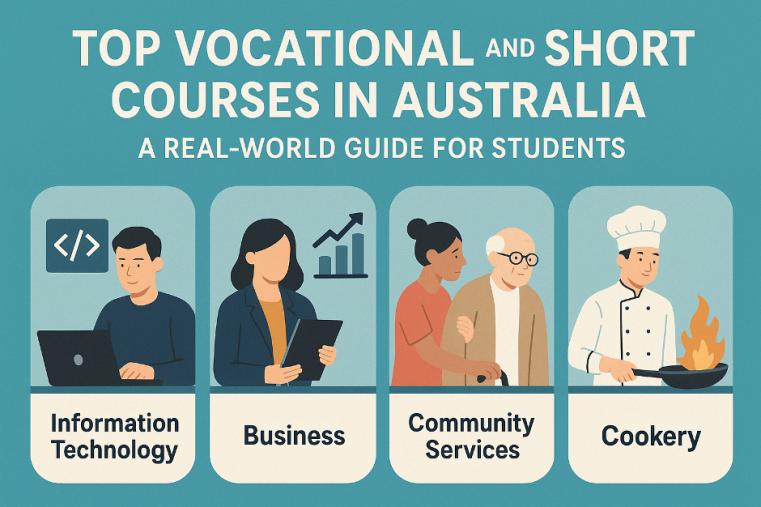
Not everyone wants to spend years studying at university — and honestly, you don’t have to. In Australia, there are loads of vocational and short courses that teach you skills that get you a job. They’re practical, easier on the wallet, and don’t take forever to finish.
If you’re looking to learn something useful or switch careers, this guide breaks down the top courses in Australia that can help you do just that. No fluff. Just clear info.
What’s a Vocational Course?
Vocational courses are hands-on training programs. Instead of just sitting in a classroom reading textbooks, you’re learning how to do things — like fix a car, cook in a real kitchen, or support someone in aged care.
These courses are offered through:
-
TAFE (Technical and Further Education)
-
Private training organisations (RTOs)
-
Sometimes even universities
They’re all about teaching you job-ready skills.
Who Are These Courses For?
These courses are great for:
-
Students who want a quicker path into the workforce
-
International students looking for practical skills
-
Adults changing careers
-
Workers needing formal qualifications
-
Anyone who prefers hands-on learning
You don’t need top marks to get in. Most courses just require basic schooling and sometimes an English language level.
Top Vocational Courses in Australia
Here’s a closer look at some of the most in-demand vocational programs around the country.
1. Aged Care / Individual Support (Certificate III)
This course teaches you how to assist elderly people or those with disabilities in daily life, from helping them move around to providing emotional support.
-
Duration: 6–12 months
-
Where you can work: Aged care facilities, disability services, community support
-
Why it’s good: There's a growing need for care workers in Australia
2. Hospitality (Certificate III & IV)
Want to work in restaurants, cafes, or hotels? This course covers everything from customer service to food and beverage skills.
-
Duration: 6 months to 1 year
-
Jobs after: Waiter, bartender, front office, kitchen hand
-
Good to know: Big cities and tourist areas always need trained staff
3. Commercial Cookery (Certificate IV)
Love food? This course trains you to become a professional chef. You’ll learn knife skills, food safety, cooking techniques, and kitchen management.
-
Duration: Around 18 months
-
Careers: Chef, cook, kitchen supervisor
-
Why it's popular: Skilled chefs are always in demand
4. Early Childhood Education and Care (Diploma)
If working with young children sounds rewarding, this course helps you learn how to care for and teach kids under 6 years old.
-
Duration: About 18–24 months
-
Jobs include: Childcare assistant, early learning educator
-
Bonus: You often get to do real work placements at childcare centres
5. Carpentry (Certificate III)
A solid course for anyone who wants to build houses, fix frameworks, and work on construction sites. It usually includes an apprenticeship.
-
Duration: 3–4 years
-
Work as: Carpenter, construction worker
-
Why it’s worth it: Australia’s building sector is always hiring skilled tradespeople
6. Information Technology (Certificate IV)
Not all tech jobs need a uni degree. This course gets you started in IT support, networks, or cybersecurity.
-
Duration: 6–12 months
-
Careers: IT support tech, network assistant, help desk analyst
-
What’s great: Tech jobs are growing in nearly every field
7. Automotive Technology (Certificate III)
This one’s for those who enjoy fixing cars and want to work in mechanics or vehicle servicing.
-
Duration: 3–4 years with apprenticeship
-
Jobs include: Mechanic, vehicle technician, car service assistant
-
Why it’s helpful: Always demand skilled auto repair professionals
Short Courses That Are Worth Your Time
Short courses don’t take long — a few days to a few weeks — but they still teach useful skills. You won’t walk out with a big qualification, but you’ll have a certified skill or license.
1. Barista Training
-
Duration: 1–2 days
-
What you learn: How to make coffee, use espresso machines, and follow café hygiene rules
-
Where it helps: Great for students wanting part-time work in cafes
2. RSA (Responsible Service of Alcohol)
-
Duration: 1 day
-
Why it matters: You can’t work in bars or restaurants serving alcohol in Australia without it
-
Where it’s required: Pubs, clubs, hotels, and event venues
3. White Card
-
Duration: 1 day
-
Why you need it: It’s the entry ticket for working on construction sites in Australia
-
What’s covered: Safety rules, hazard control, personal protection
4. First Aid & CPR
-
Duration: 1 day
-
Where it helps: Childcare, health care, hospitality — any job that values safety
-
Why it's good: It’s useful for everyday life, not just work
5. Basic Digital Marketing
-
Duration: 4–8 weeks (usually part-time or online)
-
What you learn: Social media, content creation, SEO, email marketing
-
Who it’s for: Small business owners, marketing beginners, freelancers
Why Pick a Vocational or Short Course?
Here’s what makes these courses a solid choice:
-
Faster than uni: You don’t have to study for 3–4 years
-
Practical focus: You learn things you’ll use at work
-
Cheaper: They cost a lot less than university degrees
-
Flexible: You can study part-time or even online for many courses
-
Work-ready: Many include on-the-job training or apprenticeships
Where Can You Study?
Courses are available across Australia through:
-
TAFE colleges – public institutions with a strong reputation
-
Private training providers – sometimes more flexible, but can be pricier
-
Community colleges offer a mix of short courses and VET programs
-
Some universities run their short courses and certificates
Make sure the place you choose is accredited and nationally recognised. You can check this at training.gov.au.
A Few Things to Keep in Mind
-
Check the entry requirements before applying
-
Ask about job placements or internships — they help
-
See if you’re eligible for government funding or fee reductions
-
Don’t rush it — compare a few providers before you decide
-
Read student reviews — real feedback helps a lot
Final Thoughts
If you’re looking to gain skills, get hired faster, or explore a new field, vocational and short courses in Australia are worth exploring. They’re practical, affordable, and they open real doors.
Whether you want to become a chef, start in IT, or get your RSA so you can work in a bar, there’s a course out there for you.
Post Your Ad Here
Comments