How Long Do Compression Sofas Last?
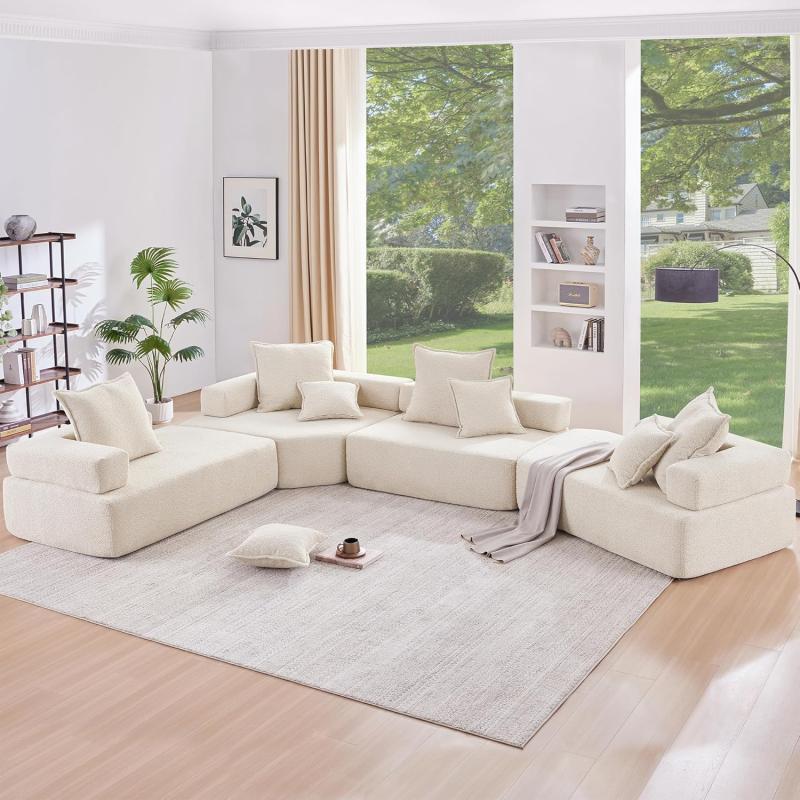
Durability of Compression Sofas
Compression sofas offer convenience, modern aesthetics, and space-saving advantages—but how do they compare in durability? Typically, a compression sofa lasts between 5 and 15 years, depending on several key factors: foam quality, construction, and care.
Foam Density: The Core of Durability
The primary determinant of a compression sofa’s lifespan is its foam quality.
High-density foam delivers strong structural support, better shape retention, and resilience to both regular use and the initial compression-expansion process.
In contrast, low-density foam is more susceptible to sagging, deformation, and early breakdown, significantly reducing the sofa’s longevity.
Frame or Frameless Construction: What’s the Difference?
A unique characteristic of compression sofas is that many models are frameless, relying solely on high-density foam for structure. While this might seem less robust, well-engineered frameless designs made with quality foam can be surprisingly strong and supportive.
However, some models do feature modular or flexible internal frames, which can provide:
Increased structural stability
Improved weight distribution
Longer-lasting shape retention
Common Upholstery Fabrics in Compression Sofas
The exterior fabric also plays a significant role in both comfort and durability. Common materials include:
Linen: Natural and breathable, but may wrinkle or stain easily without protective treatment.
Velvet: Luxurious and durable, but requires careful maintenance to avoid crushing or marking.
Faux Leather: Affordable and easy to clean, though durability varies widely based on manufacturing quality.
Polyester/Synthetic Blends: Often stain-resistant and fade-resistant, making them excellent for high-use environments.
Key Factors Influencing Lifespan
Tips for Maximizing the Life of Your Compression Sofa
Follow Care Instructions: Always refer to the manufacturer’s guidelines for upholstery cleaning and maintenance.
Vacuum Regularly: Use a soft brush attachment to remove dust, dirt, and debris from crevices.
Blot Spills Immediately: Use a clean, dry cloth to absorb spills. Avoid rubbing and test any cleaners on hidden areas.
Rotate and Fluff Cushions: Helps maintain shape and distributes wear evenly.
Protect from Sunlight: Position your sofa away from direct UV exposure, or use curtains/blinds.
Avoid Sitting on the Arms: Prevent unnecessary stress on seams and support areas.
Professional Cleaning: Schedule occasional deep cleaning to extend the fabric’s life and freshness.
Conclusion
While compression sofas may not match the decades-long durability of high-end traditional sofas, they offer an excellent balance of comfort, versatility, and value. When built with high-density foam and quality materials, and when properly maintained, a compression sofa can serve as a stylish, practical seating solution for many years.
By understanding the factors that impact its lifespan and following smart care practices, you can make the most of your investment and enjoy reliable comfort season after season.

Post Your Ad Here
Comments