Why Mobile Food Franchises Are the Future of Quick Dining
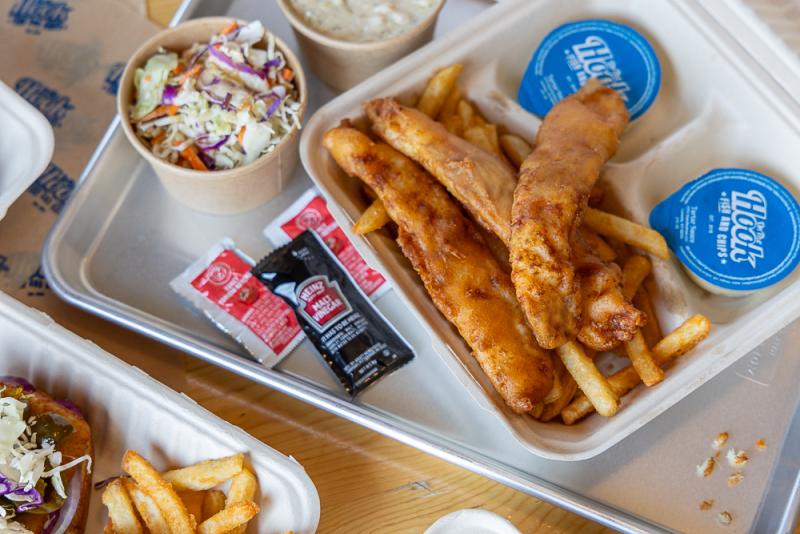
In a world that’s constantly on the move, it’s no surprise that dining trends are moving with it. Traditional restaurants are facing stiff competition—not just from delivery apps, but from an entirely different model that brings the kitchen directly to the customer: mobile food franchises. From gourmet burgers to wild-caught seafood, food trucks are redefining convenience, flavor, and business opportunity. Here’s why this model is becoming the future of fast, high-quality dining.
1. Low Overhead, High Flexibility
One of the biggest draws of a mobile food franchise is the low startup cost compared to brick-and-mortar restaurants. There’s no need for expensive real estate, long leases, or large front-of-house staff. Franchisees can launch their business with significantly less capital, allowing for faster ROI and reduced financial risk.
Mobility also means you’re not locked into one market. If business is slow in one area, you can simply reroute to a busier location, event, or town. This adaptability is a major advantage in uncertain economic times.
2. Meeting Customers Where They Are
Modern consumers crave convenience—but not at the expense of quality. Mobile franchises meet people where they live, work, and play: at festivals, office parks, sporting events, and neighborhoods. Instead of waiting for customers to come to you, food trucks flip the script and bring the experience to them.
Brands like On the Hook have perfected this model. With a focus on wild-caught Alaskan cod served hot and fresh from their trucks, they create local buzz in every town they roll into—often drawing long lines and loyal fans.
3. Capitalizing on a Growing Trend
The food truck industry has grown significantly over the past decade, becoming a $1.5 billion industry in the U.S. alone. Consumers are more open than ever to trying unique, niche, and gourmet food from mobile vendors, especially when the quality rivals or exceeds that of traditional restaurants.
As fast casual dining continues to evolve, mobile concepts are positioning themselves at the intersection of innovation, experience, and demand.
4. Built-in Marketing Buzz
Food trucks often create a natural sense of urgency and excitement. Their limited-time stops and mobile schedules fuel word-of-mouth marketing and viral social media engagement. Customers love following their favorite trucks online, checking schedules, and sharing photos—providing organic brand exposure without a massive marketing budget.
Franchises that leverage social media, real-time location updates, and community engagement are seeing powerful returns in brand loyalty and visibility.
5. Franchise Support Makes It Easier Than Ever
For aspiring entrepreneurs, starting a mobile food business from scratch can be overwhelming. Franchises remove the guesswork. From operations and supply chains to branding and training, mobile franchises offer a turnkey business model backed by proven success.
Franchisees benefit from established reputations, streamlined logistics, and ongoing support—allowing them to focus on what matters most: serving great food and growing their business.
Mobile food franchises are more than a trend—they’re a powerful shift in how Americans eat and how entrepreneurs succeed. With lower overhead, built-in buzz, and an ever-expanding customer base, this model delivers a winning recipe for quick dining’s future.
If you're looking to join the movement and serve something fresh on the go, now is the time to explore opportunities like On the Hook—a standout example of how mobility, quality, and franchising can come together to create something extraordinary.

Post Your Ad Here
Comments