The Pros and Cons of Owning a Senior Care Franchise
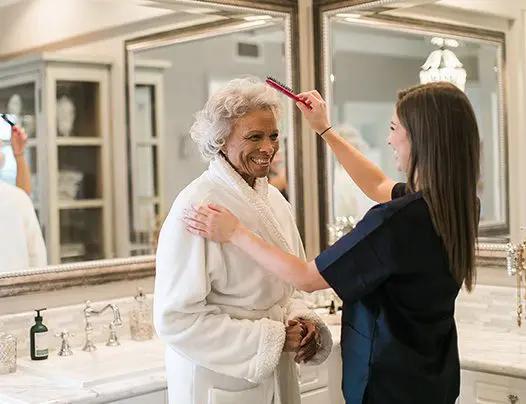
With the senior population steadily rising and families increasingly looking for in-home care solutions, the senior care industry has become a prime opportunity for franchise investors. But like any business model, owning a senior care franchise comes with both advantages and challenges. Here’s a closer look at the pros and cons to help you decide if it’s the right fit for you.
✅ Pros of Owning a Senior Care Franchise
1. High and Growing Demand
The U.S. population aged 65 and over is projected to nearly double by 2060. This demographic shift ensures ongoing demand for home care services, making senior care a stable and growing industry to invest in.
2. Purpose-Driven Work
For many franchisees, the biggest reward isn’t just financial. Owning a senior care franchise allows you to make a meaningful impact in your community by improving quality of life for aging individuals and their families.
3. Franchise Support System
Franchise brands offer a proven business model, including training, marketing tools, operational support, and sometimes even caregiver recruitment systems. This can be especially helpful for those new to the healthcare or business sectors.
4. Recurring Revenue Model
Senior care services are typically needed on an ongoing basis, which allows franchisees to build a steady client base and benefit from recurring revenue over time.
5. Low Overhead and No Medical License Required
Many senior care franchises operate without the need for a physical office or specialized licenses. Most focus on non-medical services like companionship, meal prep, and daily living assistance, keeping overhead relatively low.
❌ Cons of Owning a Senior Care Franchise
1. Emotional and Ethical Challenges
Caring for seniors can involve emotionally heavy situations. Franchise owners may deal with medical emergencies, caregiver burnout, or the death of a client, all of which require strong emotional resilience and professionalism.
2. Staffing Hurdles
Hiring, training, and retaining caregivers is one of the most significant challenges in this industry. High turnover and caregiver shortages in certain regions can impact service delivery and client satisfaction.
3. Regulatory Compliance
Senior care businesses must adhere to various state and local regulations. While most franchises guide you through this, it still requires attention to detail, consistent documentation, and periodic audits.
4. Operational Demands
Managing caregiver schedules, handling family communication, and ensuring quality care are time-intensive tasks. It’s not a passive business—franchisees need to be hands-on, especially in the early stages.
5. Initial Investment and Franchise Fees
While often lower than medical franchises, starting a senior care business still involves franchise fees, startup costs, and marketing expenses. It’s important to evaluate your budget and long-term goals carefully.
A senior care franchise can be incredibly fulfilling—both personally and financially—if you’re ready to lead with heart and handle the challenges of people-centered care. It offers a scalable model, meaningful work, and the support of an established system. But it also demands commitment, adaptability, and a strong sense of responsibility.
If you’re passionate about making a difference and prepared for the business realities, this may be one of the most rewarding paths you can take.
Post Your Ad Here
Comments