Cervical Spondylosis Symptoms, Causes and Treatment
Abstract
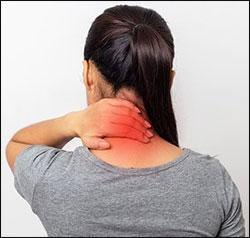
Cervical spondylosis, also called cervical spondylitis, is a disorder that results from the gradual breakdown of the cervical spine. This degeneration affects the neck's bones, discs, and joints, potentially leading to stiffness and discomfort. This age-related condition can lead to symptoms such as neck pain, stiffness, and limited movement. In some cases, nerve compression occurs, causing discomfort, numbness, tingling, and weakness in the arms, hands, or shoulders. Factors like poor posture, repetitive movements, previous injuries, and genetics can contribute to the development of this condition. Standard treatments typically include pain relief methods, physical therapy, and lifestyle adjustments, while surgery may be necessary in severe instances. Additionally, complementary therapies, such as Ayurveda and chiropractic care, provide alternative treatment options for symptom management. In this article we will discuss it in detail along with its Ayurvedic overview and its management.
Introduction
Cervical spondylosis refers to a group of degenerative changes that occur in the cervical spine, affecting structures like the intervertebral discs, facet joints, Luschka joints, ligamenta flava, and laminae. This condition is a natural part of the aging process and typically affects most individuals after the age of 50. The primary symptoms of cervical spondylosis include neck pain and stiffness, which may be accompanied by radicular symptoms when there is compression of the nerves. Neck pain is a common health issue and ranks second only to low back pain in terms of prevalence.
Causes
Cervical spondylitis, also referred to as cervical spondylosis, is a condition that causes the gradual wear and tear of the cervical spine in the neck region. This degeneration can result in stiffness, discomfort, and persistent neck pain. It is primarily associated with aging, but other factors can contribute to its development. The main causes include:
- Aging: The most common cause is the natural wear and tear of the cervical spine as we age. Over time, the intervertebral discs (the cushioning between the vertebrae) lose hydration and elasticity, which can cause the discs to shrink and bones to rub together, leading to osteoarthritis.
- Herniated Discs: The intervertebral discs can become weakened and may bulge or rupture, putting pressure on the surrounding nerves and causing pain and discomfort in the neck, shoulders, and arms.
- Bone Spurs (Osteophytes): As the discs lose height, the body may form bone spurs in an attempt to stabilize the spine. These can encroach on the spinal canal or nerve roots, leading to pain or neurological symptoms.
- Poor Posture: Bad posture, especially while sitting or standing for long periods, can stress the cervical spine and accelerate degenerative changes, leading to cervical spondylitis.
- Repetitive Strain: Jobs or activities that require repetitive motion of the neck (such as heavy lifting or looking down at a screen for long periods) can increase the risk of cervical spondylitis.
- Injury or Trauma: A past injury, such as whiplash from a car accident, can result in wear and tear on the cervical spine, increasing the likelihood of spondylosis.
- Genetic Factors: Some individuals may be more genetically predisposed to developing cervical spondylitis, especially if their family members have experienced similar issues.
- Lifestyle Factors: Obesity, smoking, and a lack of regular exercise can all increase the risk of cervical spine degeneration. These factors contribute to poor spinal health and accelerate wear and tear.
- Chronic Medical Conditions: Conditions like rheumatoid arthritis, ankylosing spondylitis, or other inflammatory diseases may also contribute to the development of cervical spondylitis.
Symptoms
The symptoms of cervical spondylitis can vary depending on the severity of the condition and the areas affected in the cervical spine. Common symptoms include:
- Neck Pain: A primary symptom is a dull or sharp pain in the neck, which may worsen with movement or prolonged positions (such as looking down or sitting for extended periods).
- Stiffness: A feeling of tightness or limited range of motion in the neck, making it difficult to turn the head or bend the neck in certain directions.
- Headaches: Often referred to as "cervicogenic headaches," these are headaches that originate from the neck. The pain may radiate to the back of the head or temples.
- Pain or Numbness in the Shoulders and Arms: Nerve compression due to bone spurs or herniated discs can cause radiating pain, numbness, tingling, or a sensation of weakness that extends into the shoulders, arms, or hands.
- Weakness: Muscle weakness in the arms or hands, particularly if nerves are compressed in the cervical spine.
- Tingling or "Pins and Needles" Sensation: Nerve irritation or compression can lead to sensations of tingling or numbness in the arms, hands, or fingers.
- Loss of Balance or Coordination: In severe cases, nerve involvement may affect balance or coordination, making it difficult to walk or perform tasks requiring fine motor skills.
- Grinding or Popping Sensation: Some people may experience a grinding or popping sensation in the neck when moving the head, due to the degeneration of the cartilage and bones in the cervical spine.
- Worsening Pain with Activity: Symptoms often become worse with certain movements, such as looking up, bending the neck, or prolonged sitting, especially if posture is poor.
- Radiculopathy: If the spinal nerves are compressed, individuals may experience radiculopathy, which includes symptoms like pain, numbness, and tingling along the path of a specific nerve, often radiating to the arm.
Diagnosis
Diagnosing cervical spondylitis typically involves a combination of assessing the patient's medical history, physical examination, and imaging tests. Here's an outline of the diagnostic procedure
Medical History and Symptom Evaluation
1. Physical Examination
A physical examination will be conducted to evaluate neck mobility, range of motion, and posture. The doctor may check for tenderness or discomfort in the neck, shoulders, or upper back and assess for neurological signs like weakness, numbness, or reflex changes. Special tests may be performed to check for nerve compression or irritation, such as applying gentle pressure on the spine or having the patient perform specific movements to trigger symptoms.
2. Imaging Tests
- If the history and physical exam suggest cervical spondylitis, imaging tests may be ordered to confirm the diagnosis and evaluate the degree of degeneration:
- X-rays: An X-ray of the neck can identify bone spurs, disc degeneration, narrowed disc spaces, or arthritis in the cervical spine. However, X-rays are less effective at visualizing soft tissues like discs or nerves.
- MRI (Magnetic Resonance Imaging): An MRI provides a clearer view of soft tissues, including discs, nerves, and the spinal cord. It can detect herniated discs, nerve compression, and any spinal cord abnormalities contributing to symptoms.
- CT Scan (Computed Tomography): If an MRI is unavailable or unsuitable, a CT scan can offer detailed images of bones and discs, sometimes using contrast dye to highlight issues.
- Electromyography (EMG): If nerve damage is suspected, an EMG may be used to evaluate how well the muscles and nerves in the neck and arms are functioning. It helps identify nerve root compression or muscle weakness.
- Myelogram: In rare cases, a myelogram may be recommended. This involves injecting contrast dye into the spinal canal to enhance the visibility of the spinal cord and nerve roots on X-rays or CT scans, offering a detailed look at nerve compression.
3. Neurological Examination
The doctor will check for any neurological changes, such as altered sensation, reflex changes, or abnormalities in motor function, which could indicate nerve compression or damage.
4. Additional Tests
In some instances, blood tests may be conducted to rule out inflammatory conditions like rheumatoid arthritis or infection that could contribute to the symptoms. However, cervical spondylitis is mainly a mechanical issue rather than an inflammatory one.
Treatment
Cervical spondylitis, also known as cervical spondylosis, is a condition where the bones, joints, and discs in the neck wear down over time, leading to discomfort and stiffness. The treatment for this condition focuses on relieving pain, improving mobility, and reducing inflammation. Here are the treatment options:
1. Non-Surgical Treatments
1. Medications
- Painkillers: Over-the-counter medicines like ibuprofen or acetaminophen can help reduce pain and swelling.
- Muscle relaxants: Medications such as cyclobenzaprine can help ease muscle spasms in the neck.
- Topical creams: Creams or gels with ingredients like menthol can be applied to the neck to help with pain relief.
2. Physical Therapy
- Exercise programs: A physical therapist may suggest exercises to strengthen neck muscles and improve movement.
- Posture improvement: Guidance on how to maintain good posture to reduce stress on the neck.
- raction therapy: This involves gentle stretching of the neck to reduce pressure on the spine and nerves.
3. Hot and Cold Treatments
- Heat therapy: Using a warm compress or heating pad can help relax muscles and increase blood flow to the area.
- Cold therapy: An ice pack can be applied to reduce inflammation and numb pain.
4. Lifestyle Changes
- Rest: Taking breaks and avoiding activities that cause strain on the neck.
- Ergonomics: Adjusting your work setup, such as using a chair with good support and keeping the computer screen at eye level.
2. Injections
- Steroid injections: If pain persists, a doctor may inject corticosteroids into the affected area to reduce swelling and alleviate discomfort.
- Epidural injections: These can be used if the condition is putting pressure on the nerves, providing relief from pain or numbness in the arms.
3. Surgery
Surgery is usually considered only when other treatments don’t work, or if there is severe nerve compression. Some surgical options include
- Disc removal (Discectomy): Taking out a damaged disc to relieve pressure on the nerves.
- Laminectomy: Removing part of a vertebra to ease pressure on the nerves.
- Spinal fusion: Connecting two or more vertebrae to stabilize the spine and prevent further damage.
4. Alternative Therapies
- Chiropractic care: Some people benefit from spinal adjustments, but it should be done carefully under a trained professional’s guidance.
- Acupuncture: Some find relief through acupuncture, which involves inserting thin needles into specific points on the body.
5. Self-Care and Lifestyle Adjustments
Maintain a healthy weight to reduce strain on the neck and spine.
Sleep habits: Use a supportive pillow and ensure your neck stays aligned during sleep.
Stay active: Low-impact exercises, such as swimming, walking, or yoga, can help keep the neck and spine strong and flexible.
Ayurvedic Overview
- In Ayurveda, Cervical Spondylitis is often associated with the condition known as Greeva Graham, where "Greeva" refers to the neck and "Graham" means stiffness. This condition is primarily linked to an imbalance in Vata dosha, which governs movement and the nervous system. An increase in Vata leads to dryness, degeneration, and depletion of body tissues, particularly affecting the joints.
- The imbalance of Vata causes a reduction in Kapha dosha, specifically Sleshaka Kapha, which normally provides lubrication and cushioning between bones and joints. This lack of sufficient lubrication results in the degeneration of the intervertebral discs, causing a condition known as spondylosis.
- Furthermore, Cervical Spondylitis can also be understood in Ayurveda as Vishwachi or Apabahuka, conditions that describe pain and stiffness, especially affecting the neck, shoulders, and upper limbs. Vishwachi refers to a condition marked by a stiffness and pain that radiates throughout the body, while Apabahuka denotes a restriction in movement, specifically related to the shoulder and neck, both of which align with the symptoms observed in cervical spondylitis.
Causes
Some of the causative factors are
- Consuming foods that are dry, cold, frozen, or light in nature.
- Prolonged periods of fasting or skipping meals.
- Insufficient consumption of liquids or water.
- Frequent intake of processed foods, fast foods, and sugary beverages.
- Eating at irregular times or erratic meal schedules.
1. Viharaja (Bad Habits)
- Night Awakening
- Day sleep
- Excessive exercise
- Suppression of natural urges
- Walking for long distances
- Bike riding for long distance
2. Manasika hetu (Psychological factors)
- Stress
- Grief
- Anger
- Fear
- Loss of interest in work
Symptoms
Some of its symptoms are
- Pain in neck
- Difficulty in usual functioning of the neck like rotation, flexion, extension
- Radiating pain to the shoulder, forearm or arm
- Muscular spasm
- Numbness
- Joint stiffness
- Fatigue
- Headache
- Lack of coordination
Management
Here are some home remedies, yoga poses, and acupressure tips for cervical spondylitis:
1. Home Remedies
- Warm Compress: Apply a warm compress to the neck to relax muscles and reduce stiffness.
- Ginger and Turmeric: Consume ginger and turmeric tea, as they have anti-inflammatory properties that may help reduce pain and inflammation.
- Mustard Oil Massage: Warm mustard oil with a pinch of camphor and gently massage the neck and shoulder area to improve circulation and reduce stiffness.
- Epsom Salt Bath: A warm bath with Epsom salts can help relax tense muscles and reduce inflammation.
2. Yoga Poses
- Neck Stretches: Gently tilt your head forward, backward, and side-to-side to stretch the neck muscles and improve mobility.
- Bhujangasana (Cobra Pose): This pose helps strengthen the neck and spine while improving flexibility.
- Setu Bandhasana (Bridge Pose): A great pose to relieve tension in the neck and back.
- Adho Mukha Svanasana (Downward Dog Pose): This helps lengthen and stretch the spine, easing tension in the neck area.
- Supta Matsyendrasana (Reclining Spinal Twist): A gentle twist to release tension in the spine and neck.
3. Acupressure Tips
- GV 20 (Governing Vessel 20): Located at the top of the head, press gently to relieve neck and back tension.
- LI 4 (Large Intestine 4): Located between the thumb and index finger, press to alleviate pain and stiffness in the neck.
- SI 14 (Small Intestine 14): Located on the upper back, press gently to release muscle tightness in the neck and shoulders.
- GB 20 (Gallbladder 20): Located at the base of the skull, in the hollow area on both sides of the neck, gently press for relief from neck pain and stiffness.
4. General Tips
- Maintain good posture to prevent strain on the neck.
- Avoid long periods of sitting or staring down at a screen; take breaks every 30 minutes to stretch.
- Stay hydrated to keep muscles and joints lubricated.
Herbal Remedies for Cervical Spondylitis by Planet Ayurveda
Planet Ayurveda is a renowned GMP certified Ayurvedic company that offers a wide range of natural products made from 100 % pure herbs. All their formulations are prepared under the supervision of MD scholars. Their Cervical Spondylosis Care Pack is a specially formulated Ayurvedic kit designed to help alleviate neck pain, reduce inflammation, and improve mobility for those suffering from cervical spondylosis.
Cervical Spondylosis Care Pack
The Cervical Spondylosis Care Pack by Planet Ayurveda is a specially formulated herbal combination designed to support spine and neck health. It consists of natural ingredients that help balance the body's doshas, particularly Vata, which plays a key role in joint and bone health. This pack includes a blend of Ayurvedic herbs known for their anti-inflammatory and strengthening properties, aiding in reducing stiffness, discomfort, and improving mobility. Regular use, along with a proper diet and lifestyle modifications, may promote better spinal function and overall well-being.
1. Joint Aid Plus
The Joint Aid Plus capsules by Planet Ayurveda are made with a unique blend of powerful herbs like Nirgundi (Vitex negundo), Guggul (Commiphora mukul), Shallaki (Boswellia serrata), Ginger (Zingiber Officinale) and Ashwagandha (Withania Somnifera). This formulation supports joint health, helping to soothe joint discomfort and balance an aggravated Vata dosha for overall joint function and mobility.
Dosage : 2 capsules Twice a day with warm water after a meal.
2. Yograj Guggul
Yograj Guggul is an herbal formulation available in form of tablets which are prepared from the standardized extract of ayurvedic herbs like Guggul (Commiphora mukul), Amla (Emblica officinalis),Pippali (Piper Longum),Chavya (Piper chaba), Musta (Cyperus rotundus),Chitrak (Plumbago Zeylanica) etc, which together help balance the all the body's tridoshas but mainly pacifies Vata dosha. These tablets are known for its anti-inflammatory, antioxidant, and detoxifying effects. It supports joint health, promotes healthy metabolism, alleviates digestive issues, and helps manage conditions like arthritis, obesity, and respiratory problems. Regular use of Yograj Guggul can improve overall vitality and enhance the immune system.
Dosage: 2 Tablets twice a day with lukewarm water after a meal.
3. Hakam Churna
This powder is a herbal blend of Chandrashoor (Lepidium sativum), Kalonji (Nigella Sativa), Ajwain (Trachyspermum Ammi), and Methi (Trigonella foenum). According to ancient Ayurvedic texts, one of the key contributors to joint pain is the buildup of gas in the joints, which occurs due to the disturbance of Vata. Planet Ayurveda's Hakma Churna is specifically designed to address this imbalance by restoring Vata to its proper state.
Dosage : ½ tsp twice a day with lukewarm water after a meal.
4. Boswellia Curcumin
Boswellia curcumin capsule is a standardised pure extract of 2 herbs Shallaki (Boswellia Serrata), and Curcumin (Curcuma Longa). This blend is highly effective in reducing inflammation in the muscles, improving mobility, and promoting better movement in affected areas. It is particularly beneficial for those suffering from Cervical Spondylosis, as it helps reduce inflammation around the bones, alleviating nerve compression and related symptoms. Additionally, its analgesic properties provide pain relief and relax the nerves, gradually reducing numbness in the hands and improving overall comfort.
Dosage : 1 Capsule twice a day with warm water, after a meal.
5. Orthovita Oil
This herbal Oil is a pure blend of Shil Gajendra oil, turpentine oil, Saindhavadi Taila, Camphor, Prasarini Oil, Gandhapura oil. All of these ingredients work effectively to alleviate pain, reduce stiffness in the cervical spine, and relax the muscles. The application of Orthovita Oil helps enhance joint flexibility and improve lubrication. It primarily calms the Vata dosha accumulated in the affected area, addressing the underlying causes of various symptoms. By doing so, it helps counteract the degenerative changes in the joints and bones, promoting better overall joint health.
Dosage : Apply warm oil on the affected part and apply it before a meal.
6. Triphala Guggul
It is a classical Ayurvedic preparation. Its main ingredients are Amalaki (Emblica Officinalis), Haritiki (Terminalia Chebula), Vibhitaki (Terminalia Bellerica). Triphala is a powerful rejuvenating blend known for its ability to balance all three doshas, while Guggul is renowned for its Vata-reducing properties. Together, these ingredients make this tablet an excellent dietary supplement for individuals suffering from joint disorders, helping to support overall joint health and balance the body's energies.
Dosage : 1 Tablet twice a day with warm water, After a meal.
Conclusion
Cervical spondylitis is a prevalent and often painful condition. To effectively manage it, it's important to understand its underlying causes. In many cases, maintaining proper posture and consuming a calcium-rich diet can help manage the condition. As we age, particularly after the 30s, our bones begin to lose density, making us more prone to musculoskeletal disorders. However, with the right Ayurvedic treatments, overcoming this condition becomes much easier.
Post Your Ad Here
Comments