How a 3D Hologram Room Works: An In-Depth Explanation of Hologram Screens
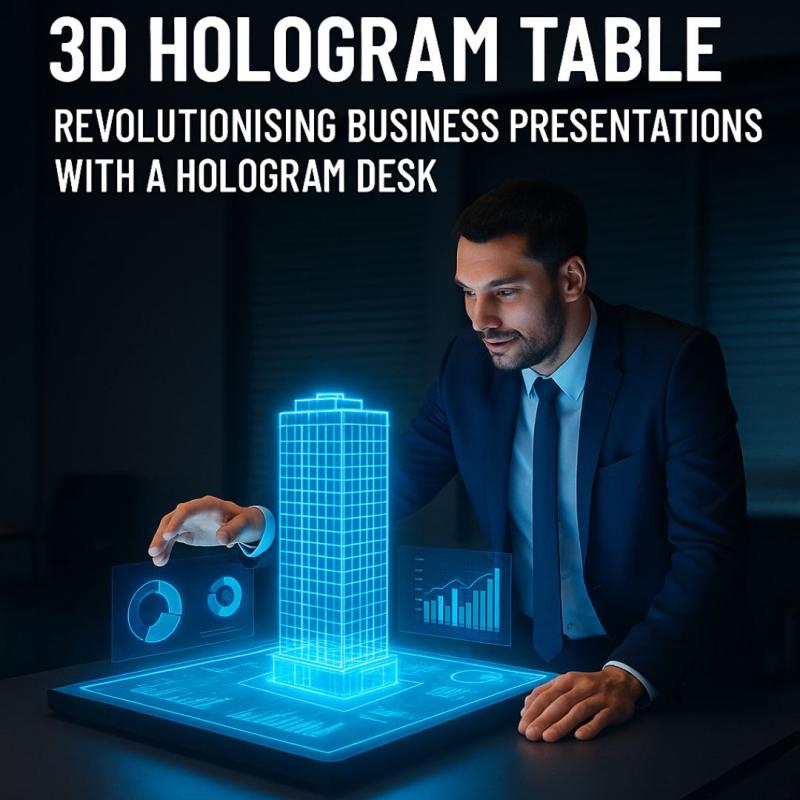
A 3D hologram room is a captivating new technology revolutionizing how we view and interact with digital images. While flat pictures are seen from a computer screen, this room presents three-dimensional images floating in space. There is no need for any special eye gear or headset. With the brilliant advancement of laser, projector, and computer technologies, 3D hologram rooms are being used in education, business, entertainment, and even training. So this article tries to exhaustively answer how a 3D hologram room works and why it feels so real.
What Is a 3D Hologram Room?
A 3D hologram room is a space specifically set up with high-power projectors and hologram screens that produce three-dimensional images. These images appear suspended in the air with real depth. One can take paths around them and look at the display from several angles, just as one would view real objects. The combination of either laser or LED projectors, mirrors, and transparent screens is mainly responsible for the operation. Basically, the technology plays a trick on your eyes and brain that there exists a three-dimensional object rather than a flat picture.
How Does a 3D Hologram Room Create 3D Images?
1. The Science of Holography
The main science behind a 3D hologram room is called holography. Holography records and recreates light waves from an object to form a three-dimensional image. Unlike regular photos, holograms keep the depth, shape, and perspective of the original object. This means the image changes as you move around it, just like a real object.
2. Laser Hologram Projection
One common method used in these rooms is Laser Hologram Projection. This method uses a laser beam that splits into two parts. One part shines on the object, and the other acts as a reference beam. These two beams meet on a special surface, creating a pattern called an interference pattern. This pattern stores all the 3D information of the object. When another laser shines on this pattern later, it recreates the original 3D image, making it appear as if the object is floating in space.
How Do Hologram Screens Work?
Modern hologram screens use high-resolution displays, sometimes 4K, to project images onto glass or clear panels with special coatings. When the light hits these panels at the right angle, your eyes see the image as three-dimensional. The glass reflects the image in a way that tricks your brain into thinking the image is floating in the air. Some advanced screens can update images in real time, allowing for moving holograms or interactive content.
Key Components of a 3D Hologram Room
Laser Source: Produces the coherent light needed for laser hologram projection.
Mirrors and Lenses: Direct and split laser beams at exact angles to create the hologram.
Hologram Screen or Display: Projects or reconstructs the 3D image using special glass or digital panels.
Recording Medium: Stores the interference pattern that holds the 3D image data.
Computer System: Creates and controls the digital content, especially for computer-generated holograms.
How Motion Tracking Enhances the Experience
Some 3D hologram rooms use motion tracking systems. These systems detect where you are in the room and adjust the hologram accordingly. This makes the holograms interactive. For example, if you move your hand, the hologram might respond or change, making the experience more immersive and realistic.
Applications of 3D Hologram Rooms
Education
Students can explore detailed 3D models of the human body, historical artifacts, or complex machines. This hands-on learning helps them understand better than flat images or videos.
Business
Companies use hologram rooms for product demonstrations, virtual meetings, and impressive presentations that capture attention and explain ideas clearly.
Entertainment
Hologram rooms bring concerts, games, and stories to life with interactive and realistic visuals. They create unforgettable experiences for audiences.
Training and Simulation
Professionals can practice skills in a safe, realistic environment. This helps improve learning and reduces risks in fields like medicine, aviation, and manufacturing.
Latest Advances in 3D Hologram Technology
Recent improvements have made 3D hologram rooms more affordable and effective. Cheaper laser components and better digital displays produce brighter, sharper, and more interactive holograms. Some systems now support full parallax, meaning the hologram changes realistically as you move around it. This adds to the feeling that the hologram is really there.
Conclusion
A 3D hologram room uses lasers, projectors, special screens, and computers to create stunning 3D images that float in space. These images look so real that you can walk around them and interact with them. This technology is changing how we learn, work, and enjoy entertainment by making digital content more lifelike and engaging. As the technology improves, 3D hologram rooms will become even more common and exciting in many areas of life. To get more information regarding the 3D Hologram Room, you can connect with Vision 3D customer care via: (+91) 8971953451

Post Your Ad Here
Comments