Do I Need to Rotate My Car Tyres? The Complete Guide for UK Drivers
Sometimes people wonder if tyre rotation is required or if it’s just a way for garages to get more money from you. A lot of UK drivers want to know if it's necessary as they try to make good choices about maintaining their cars. Tyre rotation means that your tyres are changed to different places on your vehicle, helping them to wear out evenly. You could see it as an add-on, but it could actually keep you safer and help you save money later on. We should find out if it's important to include regular Car Tyres in Beverley rotation in your regular car care.
What exactly is Tyre Rotation?
Before we find out if you have to rotate your tyres, let’s make sure we’re clear on what tyre rotation means. It means taking your tyres off one part of the car and putting them somewhere else in a particular manner. Typically, it means:
- The front tyres are moved and fitted to the back of your car.
- You put your rear tyres in the front wheel positions.
- At times, the tyres are moved from left to right or vice versa.
The idea is to make sure the whole tread on each tyre wears out evenly, so there aren’t any spots that are too worn.
Now that we see how tyres wear differently, let’s see what benefits you get from rotating them:
Extended Tyre Life
The main advantage you get is being able to use your tyres for more journeys. If you rotate the tyres and wear is spread out, you won't face the issue of having two worn-out tyres and two still new ones.
Improved Handling and Safety
Cars with even tyre wear have better and more
reliable handling. If both the front and rear tyres have even tread depth, your
car will react in a more predictable way when you need to stop suddenly or
drive in bad weather.
Smoother, More Comfortable Ride
Tyres with uneven wear usually cause both vibrations and extra noise. Making sure you rotate your tyres often results in smoother and less noisy driving.
Early Problem Detection
When you have the tyres rotated, your mechanic can take a good look at all of them. They might notice if the tyres aren’t wearing evenly, which often means there’s a problem with alignment, tyre pressure, or other mechanical things.
When should you have your tyres rotated?
Manufacturers and professional tyre experts generally say you should rotate your tyres every 5,000 to 8,000 miles (approximately Still, these numbers can go up or down if:
Your driving style
· What kind of car you drive also affects tyre wear.
· The surface and type of roads you usually use matter for proper tyre maintenance.
· The sort of tyres fitted to your vehicle is important.
· When you aren’t sure what to do, look up your vehicle’s owner manual to see the recommended schedule.
For Front-Wheel Drive Cars:
· Take the front tyres and put them directly onto the back of the car.
· Change the position of the rear tyres, putting them in the front and flipping them sideways.
For Rear-Wheel Drive Cars:
- Transfer your rear tyres straight ahead to the position of the front tyres
- Place the front tyres on the back, and change their position on each side.
- For tyres that have arrows to show the way they rotate:
- Rotation is possible only by moving them to the opposite position on the same side of the vehicle.
- Directional tyres should not be moved from one side of the car to the other.
When Tyre Rotation May Not Be Necessary
There are cases where rotation is not needed or would not provide any advantage:
- Some high-performance cars are built with front and rear tyres of different sizes.
- If you're about to get new tyres for the whole car soon.
- When the tyres are already very worn, rotating them isn't very useful.
- Tyres with tread patterns that show directions might not be switched back and forth during rotation.
Let’s look at the financial part:
Cost of Rotation:
- It usually costs £15-£25 to rotate your tyres at UK garages.
- It is often offered for free when done together with other jobs.
- There is a chance it won’t cost you if you bought the tyres from that garage.
Cost of Not Rotating:
- You might need to buy new tyres every year, which costs a lot of money.
- Handling may not be as good, and your safety could be affected.
- Unusual wear on the tyres could be a signal that something else is wrong.
The Bottom Line
Tyre rotation isn’t just another extra cost; it really helps you keep your car safe and extends your tyre life. You don't have to rotate if you replace tyres in pairs, but most people will see better grip and longer tyre life if they rotate regularly.
Goodyear Tyres in Beverley rotation should always be a part of your regular upkeep, no matter if you do it at home or have someone else do it. It’s good for both your savings and your overall safety.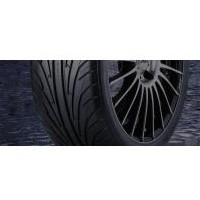
Post Your Ad Here
Comments