Is Tread Design of Tyres Affect The Performance
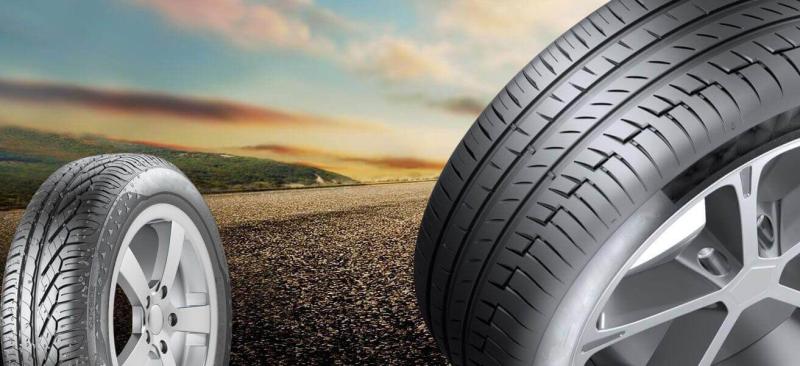
Bridgestone Corporation is a Japanese-based company, which is among the world’s largest producers of tyres and rubber products, gaining more experience in the creation of tyres suitable for self-driving cars. The company is aware of these new generation car needs, especially in the areas of connectivity, safety, and emissions. Self-driving cars by design require tyres that can sustain the wear and tear that may come with long use as the vehicles are always in operation and have higher reliability and service life.
They have numerous vigorous research and development activities that show how they support the advancement of such tyres. Its strategic R&D centres are working on product development, which can successfully address the high-variation load, longer life due to the high mileage features of the self-driving cars, and the need for better wet and dry adhesion.
Another feature of the development of tyres for autonomous cars is the use of sensor systems. One of the pioneers of this innovation has been Bridgestone which has embedded sensors into tyres in order to help monitor the health of the tyres, as well as the road and vehicle performance. Not only is safety enhanced but this also helps in achieving fuel efficiency and hence minimizing the pollution level too.
How tread design of tyres affect performance
- Noise Reduction
Reducing noise in tyres is very important in creating comfort while driving, especially in crowded areas such as city centers. From their Bridgestone Tyres in Beverley, has come up with tread designs that aim at reducing the noise produced on the road. An example is the Bridgestone Ecopia EP150 eco-friendly tyre contains a special ‘Asymmetric Tread Design’. This design has also helped in reducing the noise by increasing the contact area of the wheel with the road, thereby minimizing the vibration and noise produced when driving.
Another approach is that the use of ‘Circumferential Grooves’ and ‘Lateral Grooves’ in tread design is being adopted. All of these features are offered in the Turanza T005 all-season tyre. The circumferential grooves enhance the removal of water from the main and contact patches, while the lateral grooves offer some more noise-fighting capability by absorbing various sounds made on the course of driving.
- Water Dispersion
Appropriate water dispersion is important in ensuring that the Tyres in Beverley delivers its best performance especially in wet surface. The tyres also have enhanced tread patterns that offer better water evacuation so as to minimize sliding and hydroplaning.
One such design is the Alenza AS500 luxury touring tyre, developed with ‘Multi-Width Tread Blocks’. These blocks result in improved water dispersion by having an efficient water dispersion pattern from the contact patch and thus better wet grip. Likewise, the Blizzak LM-32 winter tyre employs ‘Variable Pitch Tread Design’ which produces an uneven sound pattern that imitates the sound of randomly positioned tread blocks. This design enhances water shedding while offering very good grip on snow and icy surfaces of the roadway.
- Road Grip
Road grip is important for the performance of the vehicle, especially in precarious weather conditions. Bridgestone tyres have quality tread patterns that improve road contact with the following features: dry traction zone, tuned performance variable (TPV) technology, and 3D multi-grip technology.
For example, the Potenza S007 Pole Position high-performance summer tyre comes equipped with the ‘Dry Traction Zone’ and ‘TPV Technology’. These features enhance the contact patch through improving the road grip on dry surfaces and enhancing cornering stability and grip. The 3D Multi-Grip Technology in the Dueler H/P Sport all-season tyre provides better road contact due to the availability of numerous smaller contact points of the lugs with the road surface in wet and dry conditions.
Assessment of Compliance with the Concept of the Circular Economy
The company has adopted the circular economy, of which the core idea is to attain as little waste as possible and make the most out of the available resources. This includes making the products sturdily built, providing ease of repair and lastly, degrading the basic elements of the product. What steps is BridgeStone currently undertaking to ensure that the company’s function aligns to these principles, mainly in the area of material recycling and product life cycle extension?
In case of reusing the materials, the company has developed new recycling concepts for tyres derived materials. For example, the company’s innovative pyrolysis technology can transform the waste tyres, collected from scrap vehicles into raw materials that are useful to create new tyres or other goods. The process of recycling the tyres in the closed-loop circulation helps to diminish the ecological footprint of the production and minimizes the exhaustion of resources.
In addition, it’s the process of discovering how it can replace its raw material with recycled material when manufacturing its tyres. It has been undertaking tyres compounding research to generate sustainable material, including biosourced polymers. However, through such approaches, Bridgestone hopes to minimize its usage of nonrenewable resources in the production of tyres and increase the use of the renewable resources. The company is continuously thinking to improve on various aspects of technology and protecting the environment.
Post Your Ad Here
Comments