Choosing the Right Borehole Plug: Rigid Core vs. Standard Inflatable
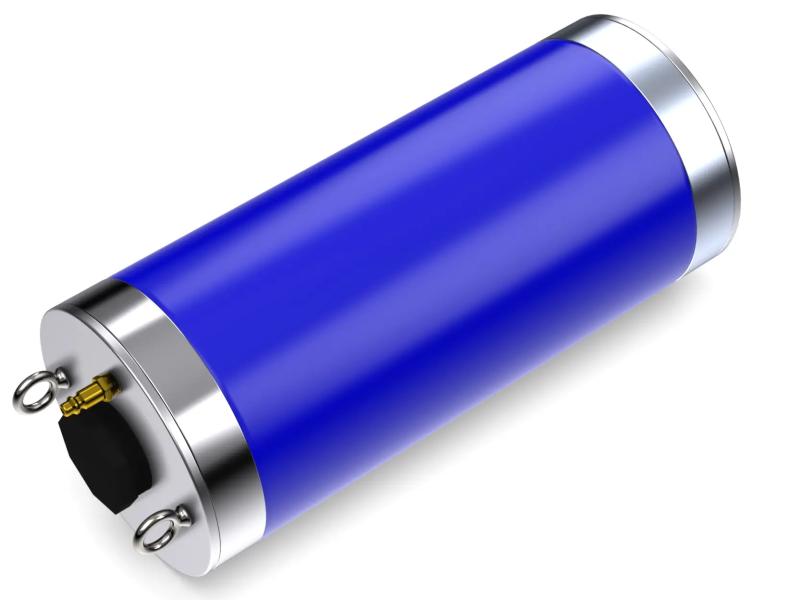
When it comes to isolating sections of pipelines or boreholes, selecting the right plug is critical for safety and efficiency. The two main types of borehole plugs—rigid core and traditional inflatable—provide various advantages depending on the application. Rigid core plugs are designed for high-pressure situations, resulting in long-lasting, reliable seals, whereas inflatable plugs are more flexible and easier to install, making them perfect for lower-pressure, temporary applications.
Making the right choice promotes peak performance, reduces maintenance costs, and prevents leaks, benefiting both the environment and your project.
Understanding the Basics of Borehole Plugs
Rigid Core Plugs

Rigid core borehole plugs feature a strong interior structure that supports an inflatable sealing device. This hybrid design makes them perfect for applications that require high pressure tolerance, chemical resistance, and long-term sealing. Unlike conventional inflated plugs, which rely simply on an air-filled bladder, rigid core plugs provide more stability, particularly in difficult or deep borehole conditions.
Key Advantages:
- Supports higher pressure and temperature ranges.
- Longer service life and less maintenance.
- Suitable for tough chemical and environmental conditions.
Standard Inflatable Plugs
Standard inflatable plugs use a flexible bladder that expands under internal pressure to close off a pipe or borehole. They are lightweight, simple to install, and affordable, making them an excellent alternative for temporary isolation or lower-pressure applications.
Key Advantages:
- Adapts well to odd shapes.
- Quick to deploy and delete.
- Suitable for shorter-term or less demanding jobs.
Key Differences in Design and Function
Understanding the design and performance differences between rigid core and inflatable borehole plugs can help you select the best solution for your project. The following are the key differences between these two plug types.
Construction and Materials
Rigid core plugs have a solid internal structure with polyurethane seals, making them ideal for high-pressure and chemically challenging environments. Inflatable plugs, while more flexible and adaptable, are best suited to less demanding conditions.
Installation & Maintenance
Standard inflatable plugs are easy to install and remove, making them suitable for short-term or low-pressure applications. Rigid core plugs may take more time and resources to install, but they provide long-term durability and low maintenance.
Both are customizable, but rigid core plugs allow for more complex setups.
Cost and Longevity Considerations
When evaluating borehole plugs, it is critical to consider both the initial investment and the product's performance over time.
- Upfront cost versus long-term value - Inflatable plugs have less startup costs, making them ideal for short-term or low-risk operations. In contrast, rigid core plugs require a larger initial investment, but their endurance and performance frequently justify the expense in crucial applications.
- Life Cycle Costs - Rigid core plugs can be more cost effective in high-risk or heavy-duty environments over time due to fewer failures and lower maintenance requirements. Inflatable plugs are still economical for short-term or low-pressure applications.
Choosing the Right Plug for Your Project
The correct plug for your project is determined by its pressure, environment, duration, and safety requirements.
Key Use Cases for Rigid Core Plugs
Rigid core plugs perform well in high-pressure, long-duration, or environmentally sensitive applications. They are ideal for use in deep borehole isolation, chemical containment, and essential infrastructure maintenance.
Key Use Cases for Inflatable Plugs
Inflatable plugs are ideal for temporary use, maintenance chores, and circumstances requiring limited access or time. Their adaptability and quick assembly make them excellent for small-scale or short-term projects.
Conclusion
Rigid core plugs offer greater strength, durability, and chemical resistance, making them excellent for high-pressure or high-risk situations. Inflatable plugs offer flexibility and convenience of use, making them ideal for short-term or low-demand applications.
Finally, choosing the correct plug is determined by your project's specific pressure needs, environmental circumstances, and operational complexity.

Post Your Ad Here
Comments (1)
Eppy's Tool2
Tool & Equipment Warehouse
Excellent comparison between rigid core and standard inflatable borehole plugs. The breakdown of use cases, pressure ratings, and sealing performance really helps clarify which option is better suited for specific field conditions. This kind of practical insight is especially valuable for engineers and field technicians making decisions under tight project constraints. Thanks for shedding light on such a critical but often overlooked aspect of borehole management.