The Future of Silica Dust Management: Innovative Industrial Vacuum Technology for Texas
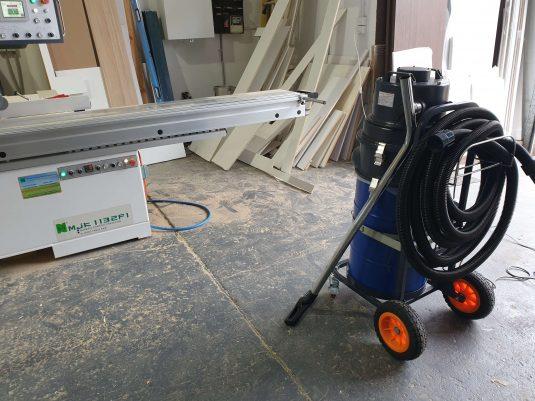
Ever walked past a construction site
and seen that misty cloud hanging in the air? Chances are, you’ve been near
silica dust — and it’s a much bigger problem than most people realize.
Especially in a booming industrial state like Texas, managing this invisible
hazard has become a serious priority. Luckily, thanks to the latest innovations
in Industrial Vacuum Systems Texas
and cutting-edge industrial cleaning equipment Texas, there’s hope on the
horizon.
Understanding
Silica Dust and Its Risks
So, what’s the big
deal with silica dust? It’s created when materials like concrete, stone, or
brick are cut or ground down. Those fine, crystalline particles can easily be
inhaled, settling in the lungs and causing long-term health problems like
silicosis, lung cancer, and other respiratory diseases.
Why Texas
Industries Need Advanced Solutions
Texas is home to
sprawling oil fields, high-rise construction projects, and busy manufacturing
plants — all hotspots for silica dust generation. With stricter regulations and
an increasing focus on worker safety, industries here need more effective ways to
manage airborne contaminants.
What Is Industrial Vacuum Technology?
When you think of vacuums, your mind probably jumps to the
ones we use at home. Industrial vacuums are their heavyweight cousins —
designed for intense, continuous use in dusty, hazardous, and heavy-duty
environments.
How Industrial Vacuums Work
At their core, these machines suck up fine particles,
debris, and hazardous dust into a sealed chamber. Many are equipped with HEPA
filters that trap 99.97% of tiny particles, including silica.
Key Features of Modern Industrial Vacuum Systems
Today’s industrial vacuums are engineered with features
like:
- High-capacity
containment systems
- Continuous-duty
motors
- Anti-static
hoses and accessories
- Modular
attachments for versatility
The Role of Industrial Vacuums Texas
in Silica Dust Control
Industrial vacuums aren’t just for cleaning floors. They
play a crucial role in dust control across various sectors.
Applications in Construction and Manufacturing
From surface preparation to demolition and cutting, silica
dust is a constant by-product. Using industrial vacuums Texas on job sites
ensures dust is captured at the source before it becomes a breathing hazard.
Benefits for Worker Health and Workplace Safety
Cleaner air means healthier workers, fewer absences, and
compliance with OSHA regulations. Plus, reducing airborne particles makes for
safer, more efficient job sites.
Why Texas Is Leading the Charge in Industrial Cleaning
Equipment
Industry Growth in Texas
Texas isn’t just big in size — it’s big in business. Rapid
industrial expansion means more dust, more regulations, and a higher demand for
advanced industrial cleaning equipment Texas.
Regulatory Push for Cleaner, Safer Work Environments
The Texas Department of State Health Services and OSHA are
tightening silica exposure limits, making high-performance dust control
equipment non-negotiable for responsible businesses.
Conclusion
Texas is setting the standard for
dust control in industrial environments, and the latest industrial vacuum
systems Texas are making it possible. From smarter designs to AI integration,
the future is looking cleaner — and safer. If your business operates in a
high-risk industry, now’s the time to invest in advanced Industrial Cleaning Equipment Texas
and protect your people, your productivity, and your bottom line.
FAQs
What is silica dust and why is it dangerous?
Silica dust is a fine particle produced when materials like concrete or stone
are cut or ground. Inhaling it can lead to serious lung diseases like silicosis
and lung cancer.
What industries in Texas are most affected by silica
dust?
Construction, oil and gas, manufacturing, and demolition industries are among
the highest risk sectors.
How do HEPA filters help with silica dust?
HEPA filters trap 99.97% of tiny particles, including silica, preventing them
from recirculating into the air.
Are industrial vacuums better than traditional cleaning
methods?
Yes, they’re specifically designed to capture hazardous dust at the source,
improving air quality and worker safety.
How often should industrial vacuums be serviced?
Regular inspections should be done weekly, with full servicing and filter
changes based on manufacturer guidelines or site conditions.
Post Your Ad Here
Comments