Embedded Supply Chain Finance: The Future of Transaction-Led Lending
The world of financial services is one that is always changing, and with change comes a need for innovation. As well as, of course, digital solutions to help manage and track transactions are becoming more and more prevalent; businesses are wanting the cleaner, leaner methods of managing the accounting side of things. Embedded Supply Chain Finance (SCF) is one innovative solution starting to gain traction. This revolutionary approach could change the way companies optimize their liquidity, grow cash flow, and foster supplier relationships, all while streamlining the lending process.
What is embedded supply chain finance?
Embedded supply chain finance is the process of providing working capital to supply chain participants through integrated, transaction-based platforms. Historically, businesses would apply for working capital funding through banks or traditional lenders, with time-consuming application cycles and high interest rates. Unlike embedded SCF, it is a different concept.
It uses digital platforms and transaction data to power financing based on a business’s operational activities, like purchase orders, invoices, and payments. This faster solution has given suppliers and buyers access to cheaper financing than traditional lending routes. Embedded SCF allows enabling seamless, automatic, transaction-based liquidity on request for the firm without long-winded paperwork or complex negotiations.
How Does Embedded Supply Chain Finance Work?
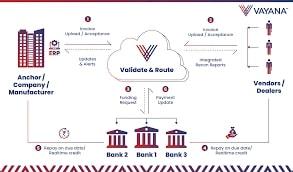
With an embedded SCF model, the financial solution is assimilated into a business' pre-existing supply chain workflows. This is usually how it goes:
Real-Time Transaction Data Integration: Embedded SCF leverages real-time transactional data (such as invoices, orders, and payments) to assess a company’s financial performance and creditworthiness. This isn’t like traditional financing, which pulls from credit scores or balance sheets.
Automated Financing: After transaction data is verified, a financing facility is automatically offered to suppliers or buyers. This could be early payments for suppliers and invoice discounting and other solutions that give businesses the ability to better plan cash flow with minimal effort.
Flexibility: With the embedded SCF model, businesses can choose the financing terms that fit well with their needs. Buyers benefit by being able to extend payment terms without damaging supplier relationships, and suppliers can get accelerated receivables at lower costs.
Digital Platform: The whole process is done through a digital platform such that manual processes and paperwork are limited to the minimum requirement. It allows companies to have greater control and transparency of their finances by offering a platform for real-time updates on invoices, payments, and financing options.
Benefits of Embedded Supply Chain Finance
SCF embedded in BaaS has a wide array of advantages for every enterprise. Here are just a few of the notable benefits:
Enhanced Liquidity: Probably the most appealing advantage of embedded SCF is the improved cash flow management it provides. It ensures that the growing businesses can run smoothly, even in times of cash crunch, by providing access to working capital on tap.
Quicker Access to Financing: Traditional financing options typically require a lengthy application and approval process. Embedded SCF automates, and transaction-driven financing helps to quick and easy access to funds.
Enhanced Supplier Relationships: Suppliers can also benefit from shorter payment cycles, potentially helping their working capital position. Conversely, buyers may elongate payment terms without overextending supplier capacity and thus cultivate a more stable supply chain grounded in partnership.
Reduced Costs: Included SCF often provides lower rates than traditional financing due to its reliance on transaction data and automation. Suppliers benefit from lower interest rates on the funds they need to pay their suppliers, while buyers can benefit from extended credit terms from their suppliers.
By embedding financing into this transaction process, businesses are able to see further into their financial transactions, creating enhanced financial transparency. This results in smarter decision-making and improved financial planning.
The Future of Transaction-Led Lending
The development of embedded finance—the embedding of financial services within non-financial services—illusioned businesses to think about their financial requirements differently. As the shift of supply chain processes to being more digital and automated continues, the need for transaction-led lending will become stronger. In this evolution, embedded SCF becomes a vital part, offering businesses faster, more flexible, and more cost-effective ways to access capital.
Additionally, the rise of technologies like blockchain and artificial intelligence (AI) will further enhance the capabilities of embedded SCF. Blockchain can provide increased transparency and security in transactions, while AI can help predict financing needs and optimize cash flow management.
Why Embedded SCF Is the Future
Digital Transformation: In the era of digital transformation, embedded supply chain financing offers a natural use case: allowing businesses to obtain financing as part of their everyday operations.
Understanding uprooted supply chains: In a globalized world, cash is always moving through a business with quite a few suppliers and markets to manage. With embedded SCF, companies can avail themselves of global financing solutions without the restrictions of traditional lending practices.
Risk Mitigation: Embedded SCF with automated, real-time data streamlining can help the businesses identify potential risks at an early stage and take corrective actions so that they do not escalate into a financial liability.
Sustainability: Embedded SCF allows for better cash flow management, fostering deeper supplier relationships that help support more sustainable business practices. This allows companies to hone in on sustained growth and resilience rather than short-term financial issues.
Conclusion
Supply Chain Finance Embedded is here to stay and is the future of transaction-led lending. Digital business models, real-time transaction data, and automation have opened doors for businesses to discover new sources of financing, enhance cash flow, and strengthen relationships with suppliers. With the global shift towards digitization, embedded supply chain finance will be instrumental in redefining the future of finance and empowering organizations to work with a more seamless and transparent working capital management experience.
For businesses looking to stay ahead of the curve, embracing embedded SCF is not just an option—it’s a strategic move toward ensuring sustainable financial growth in an increasingly interconnected world.
Post Your Ad Here
Comments