Islamic Perspective on Artificial Intelligence and Technology
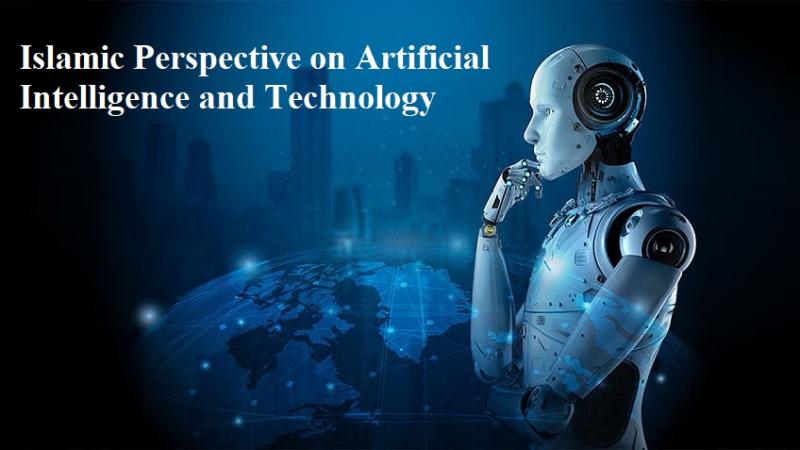
In today's rapidly evolving world, artificial intelligence (AI) and technology are becoming an essential part of our lives. From smartphones and smart homes to robots and self-driving cars, it's clear that we're living in a highly digital age. But what does Islam say about this technological advancement? Is it allowed? Are there any boundaries? Let’s explore the Islamic perspective on AI and technology in a way that’s easy to understand.
Technology: A Gift and a Responsibility
Islam encourages the pursuit of knowledge and the use of
tools that benefit humanity. The Qur’an and Hadith repeatedly emphasize the
importance of using intellect, learning from nature, and discovering the signs
of Allah in creation. In fact, many scholars believe that technology, when used
properly, is a blessing from Allah.
The Qur’an says:
“He has subjected to you whatever is in the heavens and
whatever is on the earth – all from Him. Indeed, in that are signs for a people
who give thought.” (Surah
Al-Jathiyah: Ayat 13)
This verse shows that the resources and knowledge available
to us – including technology – are meant to be used wisely and for good
purposes.
Artificial Intelligence: Innovation with Ethics
Artificial Intelligence is a field of technology where
machines are designed to think, learn, and even make decisions. AI is already
being used in healthcare, agriculture, education, and many other fields to make
life easier and more efficient.
Islam doesn’t oppose innovation. However, Islam always
reminds us to apply ethics and moral responsibility to everything we do. When
it comes to AI, several important principles come into play:
- Intention
Matters (Niyyah):
In Islam, every action is judged by intention. If AI is developed to serve humanity, save lives, or improve knowledge, it is considered a good deed. But if it’s used for harm, manipulation, or injustice, then it becomes problematic. - Justice
and Fairness:
Islam emphasizes justice. AI systems should be fair and unbiased. For example, if AI is used in hiring or law enforcement, it must not discriminate based on race, gender, or background. - Privacy
and Consent:
Surveillance technologies and data collection should respect personal privacy. Islam values the dignity and privacy of individuals. Spying or using people’s data without consent goes against Islamic ethics. - Human
Control and Accountability:
AI must not be given unchecked power. Humans are responsible for their creations. If an AI system causes harm, it’s the developers and users who are accountable.
Can AI Replace Humans?
One common concern is whether AI could replace human jobs –
or even human roles. Islam teaches that humans are honored creations of Allah
with free will and moral responsibility. AI, no matter how advanced, cannot
replace the human soul, emotions, and spiritual connection.
The Qur’an says:
“And We have certainly honored the children of Adam…”
(Surah Al Isra: Ayat 70)
This shows the unique position of human beings. AI can
assist us, but it cannot replace the deeper human experience, especially in
areas like compassion, faith, and conscience.
Religious Practices and AI
AI is also being used in religious contexts, such as apps
that help with prayer times, Qur’an recitation, or virtual learning of Islamic
knowledge. These are positive uses that align with Islamic principles, as long
as they are accurate and respectful.
However, some boundaries should be maintained. For example,
using AI to issue fatwas (Islamic legal rulings) without human scholars'
involvement can be risky. Islamic law involves deep understanding, context, and
wisdom – things that current AI cannot fully grasp.
Conclusion: Moving Forward with Mindfulness
Islam encourages us to embrace beneficial knowledge and
progress, but always with a sense of responsibility, justice, and ethics.
Technology, including AI, should be used to serve humanity, not to harm or
control it.
In short, Islam does not oppose technology or AI – rather,
it provides a moral framework to guide its use. As Muslims, our goal should be
to use these advancements in ways that please Allah, help others, and make the
world a better place.

Post Your Ad Here
Comments