Adjacent Property Impacts on Environmental Risk
Environmental risk doesn’t just affect a single property—it’s also influenced by the activities and conditions of nearby properties. For investors, developers, and property owners, understanding how adjacent properties contribute to environmental risk is essential for making informed decisions and protecting their assets.
How Adjacent Properties Influence Environmental Risk
Nearby properties can introduce various environmental hazards that compromise the safety and sustainability of your land. For instance:
Chemical Contamination: Hazardous chemical releases from nearby industrial facilities can seep into the soil or groundwater, creating long-term pollution issues.
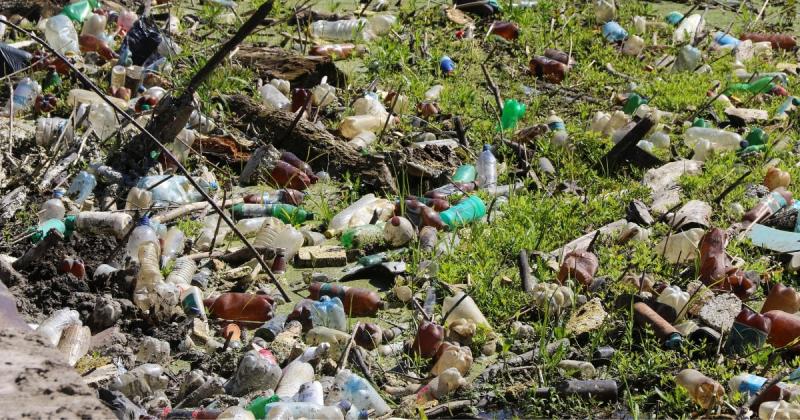
Waste Mismanagement: Improperly handled waste or landfill overflow from neighboring properties can leach toxins into your land, raising contamination levels.
Invasive Species: The spread of invasive plants or animals from adjacent properties can disrupt local ecosystems, outcompete native species, and cause ecological imbalances.
Key Environmental Risks from Adjacent Properties
Understanding the specific risks posed by neighboring properties helps in evaluating and mitigating potential threats. Here are the primary risks to consider:
1. Contaminant Spread
Soil and Water Pollution: Chemicals, industrial waste, or untreated sewage from nearby properties can infiltrate soil and water sources, reducing land value and posing health risks.
Air Pollution: Nearby factories, power plants, or farms can release pollutants, degrading air quality and impacting public health.
2. Flood Risk
Water Flow and Drainage Issues: Properties with poor drainage systems or situated on floodplains can increase water runoff, heightening flood risks for adjacent properties.
Land Development Impact: Large-scale construction or alterations, such as filling wetlands or rerouting watercourses, can disrupt natural water flow, making neighboring areas more vulnerable to flooding.
3. Noise Pollution
Industrial and Commercial Activity: Factories, construction sites, and busy roadways near residential or commercial areas can generate significant noise pollution, disrupting daily life.
Long-Term Effects: Prolonged exposure to noise pollution can disturb local wildlife, reduce biodiversity, and lead to health issues such as sleep disturbances or hearing loss.
The Importance of Environmental Risk Assessment
Conducting a thorough environmental risk assessment is vital for identifying and addressing potential hazards. A Phase 1 Environmental Site Assessment (ESA) is a critical step in evaluating environmental risks from adjacent properties. This process involves:
Reviewing historical records and land usage.
Inspecting the physical characteristics of the property and nearby land.
Identifying any evidence of contamination or pollution sources.
Without a Phase 1 ESA, property owners risk overlooking hidden environmental liabilities, which can lead to costly cleanups or legal issues.
Strategies for Managing and Reducing Environmental Risks
Once you’ve identified the potential risks from adjacent properties, you can take proactive steps to mitigate them:
Collaboration with Environmental Experts: Work with specialists to develop a risk management plan tailored to your property’s needs.
Installing Protective Barriers: Use engineered solutions (e.g., impermeable liners) or natural buffers (e.g., tree lines) to prevent contaminants from migrating onto your land.
Monitoring and Regular Assessments: Conduct periodic environmental assessments to track any changes or emerging risks.
Final Thoughts
Protecting your property from environmental risks requires awareness of how adjacent properties can impact its safety and value. By conducting regular environmental assessments and implementing risk mitigation strategies, you can safeguard your investment, avoid unexpected liabilities, and promote long-term sustainability. Don’t underestimate the influence of nearby properties—take action today to protect your environment and future.

Comments