How to Maintain Your Hydrogen Generator for Optimal GC Results
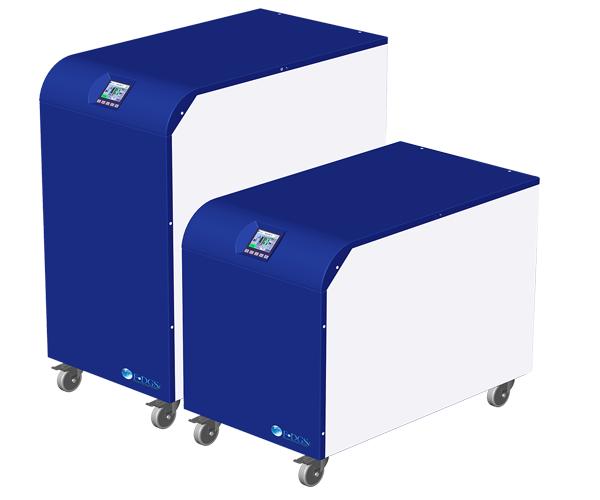
Keeping up with Hydrogen Generators for GC systems makes a huge difference in getting exact and trustworthy test outcomes. These machines deliver steady amounts of clean hydrogen gas that move samples through your chromatography setup. Taking care of your generator stops dirt problems, stops work delays, and makes your machine last much longer than it would otherwise.
This article will guide you through important maintenance steps that lab technicians should follow to keep their hydrogen generators running efficiently. The right maintenance schedule protects your investment and ensures your gas chromatography work continues without interruption or inconsistent results that could compromise your data integrity.
Water Quality Management
The water you use in your hydrogen generator affects its performance significantly. Use only deionized water with resistivity higher than 5 megohm-cm. Check water levels weekly and refill as needed before they drop too low. Some systems include water quality sensors that alert you when conditions fall below acceptable parameters.
Replace water completely every three months to prevent the buildup of contaminants that could damage internal components or affect gas purity. Installing an external water filter system provides added protection against impurities that might escape detection.
Filter Replacement Schedule
Your Hydrogen Generators for GC contain several filters that need regular replacement. The main water filter should be changed every six months under normal use conditions. Air intake filters need inspection monthly and replacement quarterly. The most critical filter component relates to the stainless steel GC column connection point, where even minor contamination can affect analytical results.
Document each filter change in your maintenance log with dates and part numbers for future reference. Many labs find setting calendar reminders helps ensure these tasks happen on schedule without oversight.
Desiccant Cartridge Maintenance
Desiccant cartridges remove moisture from hydrogen gas before it enters your GC system. Their color indicators change from blue to pink when saturated with moisture. Inspect these cartridges monthly and replace them when approximately 80% of the material shows color change. Storing spare cartridges in airtight containers preserves their effectiveness until needed.
The gas flow path connecting to your Capillary column requires absolutely dry hydrogen for optimal separation efficiency. Some newer generator models feature regenerable desiccant systems that reduce replacement frequency and operating costs over time.
Leak Testing Protocols
Hydrogen leaks pose both safety risks and analytical problems. Conduct pressure decay tests monthly by closing outlet valves and monitoring system pressure over 30 minutes. Use electronic hydrogen leak detectors around fittings connections and generator seals quarterly.
Pay special attention to areas where hydrogen lines connect to your GC Consumables, as these connection points experience thermal stress during operation. Document all test results even when no leaks are detected to establish baseline performance metrics. Addressing even minor leaks immediately prevents escalation into major system failures.
Electrical System Checks
Check electrical connections annually for signs of corrosion, looseness or heat damage. Clean ventilation openings monthly to prevent dust accumulation that restricts airflow and causes overheating. Inspect power cords for damage quarterly, especially if your generator gets moved between workstations. Electrolysis cells require clean electrical contacts for efficient hydrogen production.
Power fluctuations affect performance, so consider using surge protectors or uninterruptible power supplies for sensitive laboratory equipment, including Nitrogen Gas Generators for LC-MS, which often share electrical circuits with hydrogen generators.
Performance Validation
Measure hydrogen flow rates monthly against manufacturer specifications using calibrated flow meters. Record gas purity levels quarterly using appropriate analytical methods. Compare current readings with historical data to identify gradual performance declines that might indicate maintenance needs.
Test pressure regulation systems twice yearly by cycling through various set points and confirming stability. Many facilities schedule comprehensive performance validation immediately following preventive maintenance activities to document system improvements and establish new baselines.
Conclusion
Regular maintenance of Hydrogen Generators for GC represents an investment that pays dividends through reliable analytical results and extended equipment life. Following the manufacturer's recommendations and adapting them to your specific usage patterns creates an effective maintenance strategy. Most laboratories find that dedicating specific personnel to generator maintenance improves consistency and accountability.
Creating detailed maintenance logs helps track performance trends, predict future service needs and justify equipment replacement when appropriate. With proper care, your hydrogen generator will provide years of dependable service supporting your gas chromatography applications with minimal downtime.
Post Your Ad Here
Comments