Why Are Scientific Gas Generator Systems Essential for Laboratories?
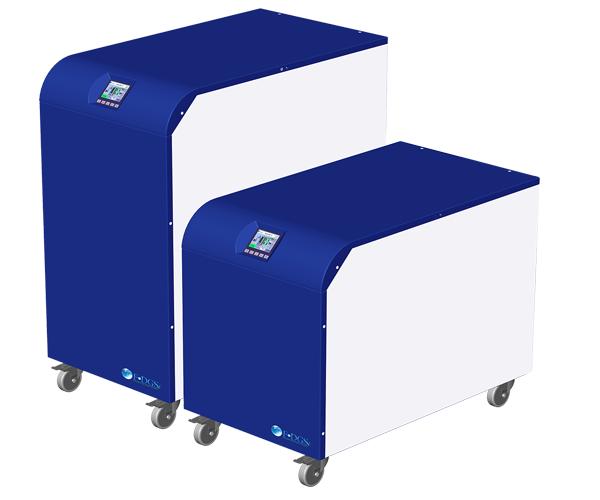
Scientific gas generator systems suppliers offer essential equipment for laboratories requiring consistent gas supply. These systems provide significant advantages over traditional tank-based methods. This is particularly true when dealing with specialized applications involving F-DGSI gas generator systems and various chromatography procedures. It utilizes fused silica capillary columns.
Meeting Demanding Analytical Requirements
Modern laboratories face much pressure to maintain consistent analytical results while operating within tight budgets and stringent safety standards. Scientific gas generator systems address these challenges by producing laboratory-grade gases on demand.
This happens without the logistical complexities of cylinder management. Their integration with advanced analytical equipment significantly improves workflow efficiency in settings where GC capillary column analyses are routinely conducted.
The laboratory environment demands precision in every aspect of operation, especially gas supply for sensitive instruments. An F-DGSI gas generator system has established itself as a reliable solution. It is due to their engineering excellence and consistent performance metrics that satisfy exacting laboratory standards. These systems connect directly to laboratory infrastructure, eliminating cylinder-related downtime and ensuring uninterrupted gas flow to critical instruments.
Operational Cost Reduction
Lab directors now see that scientific gas generator systems cut running costs when compared to old-school gas cylinder deliveries. Most labs earn back their purchase price in just 1-2 years by eliminating rental fees for cylinders, getting rid of delivery charges, and reducing staff time spent on supply management. This money-saving benefit stands out in busy labs running tests with fused silica capillary columns that need a steady, pure gas supply for correct test results.
Gas tanks come with many extra costs you might miss at first glance - frequent delivery bills, extra fees for dangerous material handling, staff hours wasted on ordering, plus special storage areas. The F-DGSI gas generator system gets rid of these ongoing bills by making gases right where you need them, so labs can spend their money on actual research instead of just keeping supplies stocked.
Enhanced Safety Protocols
Safety constitutes a primary concern in laboratory environments, making scientific gas generator systems suppliers critical partners in risk management. High-pressure cylinders present numerous hazards, including potential valve damage, accidental tipping, and catastrophic failures during transport or storage. Gas generators operate at much lower pressures and produce only what is immediately required, drastically reducing these safety risks.
The compact design of most generator systems means they can be installed directly beneath benchtops or alongside analytical instruments, eliminating hazardous gas lines running throughout laboratory spaces. This proximity to the point of use also improves analytical performance when working with GC capillary column setups by minimizing potential contaminant introduction through extended gas lines.
Consistent Purity Standards
Analytical precision depends heavily on gas purity, especially when utilizing sensitive fused silica capillary column technology for separation processes. Scientific gas generator systems deliver consistently high-purity gases that meet or exceed chromatography requirements. This reliability eliminates purity variations between cylinders that can compromise analytical results and necessitate recalibration.
F-DGSI gas generator systems incorporate advanced filtration technology that removes moisture, hydrocarbons, and other contaminants that might otherwise damage sensitive equipment or interfere with analytical processes. This purification capability proves particularly valuable for laboratories conducting trace analyses where even minor impurities can significantly impact results.
Environmental Sustainability
The environmental impact of laboratory operations continues to receive increasing scrutiny, with gas management representing a significant concern. Scientific gas generator systems suppliers promote sustainability by eliminating the carbon footprint associated with cylinder manufacturing, transportation, and disposal. A single generator can replace hundreds of cylinders over its operational lifespan, dramatically reducing waste and transportation emissions.
Modern laboratories seeking to minimize their environmental impact increasingly view on-site gas generation as an essential component of their sustainability initiatives. The reduction in heavy transport requirements associated with cylinder delivery provides a measurable decrease in carbon emissions that aligns with institutional environmental goals.
Workflow Optimization
Laboratories utilizing a fused silica capillary column for separation processes benefit tremendously from an uninterrupted gas supply. Gas generators eliminate workflow disruptions caused by cylinder changeovers, which often introduce pressure fluctuations and system contamination. This consistency maintains calibration stability and extends the operational life of sensitive analytical equipment.
The F-DGSI gas generator system integrates seamlessly with laboratory information management systems, providing real-time monitoring of gas production parameters and maintenance requirements. This integration allows laboratory staff to focus on analytical work rather than gas supply management, significantly enhancing overall productivity and research output.
Adaptability to Changing Requirements
Research laboratories frequently adjust analytical methods and gas requirements as projects evolve. Scientific gas generator systems accommodate these changing needs through modular designs that can be scaled or modified according to demand. This flexibility proves particularly valuable when transitioning between different GC capillary column applications that may require altered gas flow rates or purity specifications.
The adaptability of modern gas generators extends to their footprint requirements, with many systems designed specifically for space-constrained laboratories. This compact design allows even smaller facilities to benefit from on-site gas generation technology without sacrificing the valuable bench space needed for other analytical equipment.
Gas generation technology represents the cornerstone of efficient laboratory operation in contemporary analytical settings. By providing consistent purity, eliminating safety concerns, reducing costs, and improving workflow efficiency, scientific gas generator systems suppliers have transformed how laboratories approach their gas management strategies.
Their integration with specialized equipment, such as those utilizing fused silica capillary columns, ensures optimal analytical performance while supporting broader institutional goals related to safety, sustainability, and operational excellence.
Post Your Ad Here
Comments