Optimizing Apparel and Formal Wear Handling with Advanced Overhead Conveyor Design
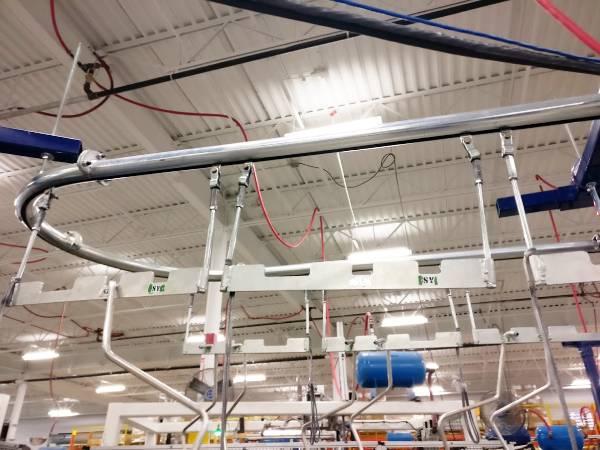
The fashion and
apparel industry operates in a fast-paced environment where efficiency and
precision are key to success. Retailers, manufacturers, and distribution
centers must ensure smooth operations to meet consumer demands, especially in
the formal wear sector, where garments require careful handling. One of the
most effective solutions for streamlining apparel logistics is an advanced overhead conveyor design.
By integrating an optimized conveyor system, businesses can improve workflow,
maximize space utilization, and enhance garment
inventory management.
The Importance of
Overhead Conveyor Design in Apparel Handling
An overhead conveyor system is a
specialized material-handling solution that suspends garments from an overhead
track, allowing for smooth and damage-free movement. Unlike traditional
conveyors that require significant floor space, overhead conveyors utilize
vertical space, making them ideal for apparel
and formal wear operations.
Benefits of Overhead
Conveyor Systems:
- Efficient Space Utilization
– Maximizes floor space for other operations by using ceiling-mounted
tracks.
- Enhanced Garment Care
– Reduces wrinkles and damage by eliminating manual handling and stacking.
- Improved Workflow Efficiency
– Allows seamless movement between production, storage, and distribution.
- Automated Sorting & Inventory
Tracking – Enhances garment inventory management
through RFID and barcoding technology.
- Scalability & Customization
– Adaptable to growing inventory and specific apparel handling needs.
Key Considerations in
Overhead Conveyor Design
A well-designed
overhead conveyor system must be tailored to the specific needs of an apparel and formal wear business.
Factors such as weight capacity, garment type, and facility layout play a
crucial role in optimizing performance. Below are some essential design
elements:
1. Track System
Selection
Choosing the right
track system is critical for ensuring smooth and efficient garment
transportation. Common options include:
- Enclosed Track Conveyors
– Protect garments from dust and contaminants.
- I-Beam Conveyors
– Suitable for heavier loads and large-scale operations.
- Power & Free Conveyors
– Allow garments to stop, accumulate, and divert without disrupting flow.
2. Automation &
Smart Controls
Integrating
automation inoverhead conveyor design
significantly improves efficiency. Smart systems with RFID tracking and
barcoded tags enable real-time inventory tracking, automatic sorting, and
retrieval processes. These features enhance overall garment inventory management by reducing errors and labor costs.
3. Ergonomic Design
for Easy Access
Efficient layout
planning ensures that workers can access garments quickly without unnecessary
bending or stretching. Adjustable height and retrieval points improve
ergonomics and reduce handling time.
4. Integration with
Inventory Management Software
A modern overhead conveyor system should
seamlessly integrate with warehouse management software (WMS) for enhanced garment inventory management. This
ensures:
- Real-time stock updates.
- Accurate tracking of high-value apparel and formal wear.
- Efficient order fulfillment and
distribution.
Enhancing Garment
Inventory Management with Overhead Conveyors
Managing a large
inventory of apparel and formal wear
requires precision and organization. Overhead conveyors play a pivotal role in
improving inventory control through:
1. Automated Sorting
& Organization
Automated overhead
conveyors classify garments based on SKU, size, style, or order type,
minimizing human intervention and errors. This is particularly beneficial for
retailers with diverse product lines.
2. Increased Storage
Capacity
By utilizing overhead
space, businesses can store more garments in a compact, well-organized manner.
This method prevents overcrowding on racks and improves retrieval efficiency.
3. Faster Order
Fulfillment
Efficient movement
between storage and packing stations accelerates order processing. This is
particularly useful for e-commerce businesses that require quick turnaround times.
4. Damage Prevention
Luxury apparel and formal wear, such as
suits, dresses, and delicate fabrics, require careful handling. Overhead
conveyors eliminate risks of crushing, folding, and mishandling, ensuring that
garments remain pristine.
5. Cost Reduction
Reducing manual labor
and optimizing space usage leads to significant cost savings in operations,
improving profitability.
Case Study:
Implementing Overhead Conveyors in a Formal Wear Warehouse
A high-end formal
wear retailer implemented an overhead conveyor
system to manage its growing inventory of premium suits and dresses. The
company faced challenges such as:
- Limited storage space.
- Slow order processing times.
- Frequent garment damage due to
manual handling.
The Solution:
The company installed
an enclosed track overhead conveyor
design, integrated with an automated garment inventory management system. The new setup enabled:
- 30% increase in storage capacity.
- 50% faster order fulfillment
times.
- Reduction in garment damage by
80%.
This transformation led
to improved customer satisfaction and a significant boost in operational
efficiency.
Future Trends in
Overhead Conveyor Design for Apparel & Formal Wear
1. AI-Driven Sorting
Systems
Advanced AI
algorithms will enable even more precise sorting and allocation of garments,
reducing human intervention and improving efficiency.
2.
Sustainability-Focused Designs
Eco-friendly
materials and energy-efficient systems will become a priority in overhead conveyor design, reducing the
carbon footprint of fashion logistics.
3. Integration with
E-Commerce Platforms
Seamless integration
between warehouse garment inventory
management and online retail systems will ensure real-time stock
updates and faster deliveries.
4. Robotics & IoT
Integration
The use of robotic
arms and IoT sensors will enhance automated picking, placing, and monitoring of
apparel and formal wear.
Conclusion
A well-structured overhead conveyor design is a
game-changer for the apparel industry. By streamlining garment handling, optimizing
space, and integrating smart inventory systems, businesses can significantly
enhance efficiency and customer satisfaction. Whether for a retail store,
distribution center, or manufacturing facility, investing in an advanced overhead conveyor system is a
strategic move toward modernizing garment inventory management
and staying ahead in the competitive fashion industry.
Post Your Ad Here