Top 10 Chicken Breeds for Beginners: Friendly and Productive Hens for Your Backyard
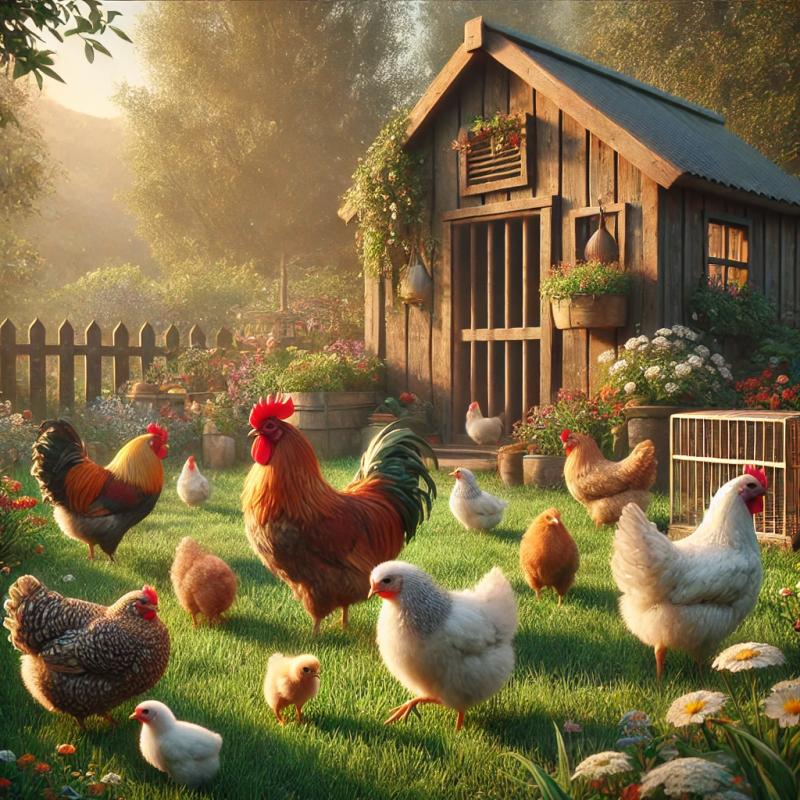
Thinking about raising chickens but not sure where to start? You’re not alone. Picking the right chicken breed for your backyard flock is like choosing the right pet—it needs to fit your lifestyle, personality, and purpose. Whether you want fresh eggs, a gentle companion, or an easy-to-care-for backyard pet, some breeds check all the boxes. In this guide, we’re diving into the best chicken breeds for beginners, with a spotlight on friendly chicken breeds, best laying hens, and easy to care chickens. These aren’t just feathery egg-layers—they’re also lovable, low-maintenance members of your homestead.
Top 3 Beginner-Friendly Chicken Breeds Comparison Table
| Feature | Rhode Island Red | Plymouth Rock | Sussex |
|---|---|---|---|
| Temperament | Confident, independent, moderately calm | Gentle, friendly, kid-safe | Sweet, sociable, highly docile |
| Egg Production | 250–300 brown eggs/year | 200–280 light brown eggs/year | 250–280 creamy to light brown eggs/year |
| Climate Tolerance | Excellent (heat & cold) | Cold-hardy, tolerates heat | Very adaptable to all climates |
| Maintenance | Low-maintenance, great for free-ranging | Low-maintenance, easy for beginners | Low-maintenance, good for foraging |
| Noise Level | Moderate | Quiet to moderate | Quiet and calm |
| Best For | Productivity and hardiness | Balanced temperament and laying | Friendliness and consistent egg-laying |
| Family-Friendly | Yes, but slightly assertive | Yes, great with kids | Yes, very affectionate |
| Appearance | Deep red feathers, sleek build | Barred feather pattern, medium build | Various colors (Speckled, Red, Light, Buff) |
Why Choosing the Right Chicken Breed Matters
Productivity vs. Temperament: Striking a Balance
When you're a first-time chicken owner, it’s tempting to go for the breed that lays the most eggs. But productivity isn’t everything—trust me. Some chickens might lay like champions but come with aggressive behavior or complex care needs. That’s why striking a balance between temperament and productivity is key. You want birds that are not only excellent layers but also docile chicken breeds that are pleasant to be around.
Factors to Consider When Choosing Beginner Chicken Breeds
Here’s what to keep in mind before you bring home your first flock:
-
Temperament: Look for friendly chicken breeds that aren’t aggressive or skittish. You’ll want birds that are comfortable around people and possibly kids.
-
Egg Production: Aim for hens that lay consistently. The best laying hens can produce 250–300 eggs per year!
-
Climate Adaptability: Some breeds thrive in colder climates, while others prefer warmth. Choose accordingly.
-
Noise Levels: Some chickens are louder than others. If you live close to neighbors, consider quieter breeds.
-
Space Needs: Bantams, for instance, need less room, while larger breeds need more space to roam.
-
Maintenance: First-timers should opt for easy to care chickens that don’t need constant medical attention or grooming.
By keeping these factors in mind, you’ll find it easier to pick the best breed for your backyard flock.
Key Characteristics of Beginner-Friendly Chicken Breeds
Docile Nature and Friendliness
Not all chickens are created equal in terms of personality. If you’re just starting out, choosing docile chicken breeds can make a world of difference. These birds are easier to handle, less likely to peck, and often love human interaction. This trait is especially important if you have kids or want to involve the whole family in chicken care.
Docile breeds are also easier to introduce into an existing flock and are less prone to fighting. These calm-tempered birds are often more tolerant of confinement and make excellent pets. Some top choices include Orpingtons, Australorps, and Sussex—known for their gentle behavior and easy handling.
Easy to Care and Low Maintenance
Let’s be honest—you probably don’t want to spend hours every day tending to your chickens. The good news is, many beginner chicken breeds are bred to be hardy and fuss-free. They’re not prone to disease, can handle varied weather conditions, and don’t require special diets.
Look for breeds that:
-
Are resilient in different climates
-
Have good immune systems
-
Don’t need frequent grooming
-
Are low on the pecking order drama
A flock of easy to care chickens lets you enjoy the fun part—gathering eggs, watching them peck around, and maybe sneaking them treats—without the stress.
Egg Production Capacity
One of the main reasons people start keeping chickens is for the fresh eggs. Who doesn’t love the idea of collecting warm, golden-yolked eggs right from the backyard? Some hens are laying powerhouses, cranking out eggs nearly every day. These are the best laying hens, and they’re ideal for beginners who want quick results.
Breeds like Australorps, Rhode Island Reds, and Leghorns top the charts with 250–300 eggs per year. But remember: high egg output should still be balanced with manageable behavior and hardiness.
Adaptability to Different Climates
Not all chickens are created for every region. Some love the snow, while others bask in the sun. When choosing backyard chicken breeds, consider your local climate. Cold-hardy birds like Orpingtons and Plymouth Rocks do well in northern areas. In contrast, heat-tolerant breeds like Leghorns and Andalusians thrive in warmer climates.
It’s also worth noting that adaptable chickens generally handle stress better. They adjust to changes in coop, weather, or diet with ease, making them perfect for newbie chicken keepers.
1. Rhode Island Red – The All-Rounder
Why They’re Great for Beginners
If you’re after a dependable, productive, and friendly bird, look no further than the Rhode Island Red. These beauties are the classic go-to for first-time chicken owners. Originally bred in the U.S., they’ve earned a reputation for being incredibly hardy and beginner-friendly.
Rhode Island Reds are hardy and adaptable, but like all breeds, they need a well-equipped coop to stay healthy and productive. Not sure what to include? Check out this checklist of essential chicken coop items to get started. Rhode Island Reds are tough birds. They’re known to thrive in a wide range of climates and rarely fall ill. Their independent nature means they can forage on their own, making them an excellent pick for free-range setups. They’re not overly needy, which makes them one of the top choices among easy-to-care-for chickens.
Egg-Laying Capabilities and Care
Here’s where the Rhode Island Red really shines: egg production. These girls can lay up to 300 brown eggs a year! That’s nearly an egg a day—perfect if you have a family or want to share with neighbors.
They’re not just egg-layers—they’re also relatively quiet and sociable. While they can be a bit bossy in the pecking order, they generally get along well with other breeds. Their active personalities make them fun to watch as they roam around your backyard.
Maintenance-wise, they’re low-fuss. Provide them with a balanced diet, clean water, and a safe coop, and they’ll reward you with daily eggs and plenty of personality.
2. Plymouth Rock – The Backyard Favorite
Gentle Personality and Cold-Hardy Nature
The Plymouth Rock, especially the Barred Rock variety, is a classic American breed that’s been winning hearts for generations. Their black-and-white striped feathers are striking, but it’s their easygoing personality that really seals the deal.
They’re known as one of the most friendly chicken breeds, especially with kids. These hens are docile, affectionate, and adapt well to being handled. They’re also incredibly cold-hardy, making them perfect for those in chillier climates.
These birds aren’t flighty or aggressive—they’re calm, steady, and happy to follow you around the yard like a puppy.
Daily Egg Production Benefits
Plymouth Rocks are reliable layers, producing about 200–280 light brown eggs per year. That’s a solid return for any backyard chicken keeper. Plus, they tend to start laying at a relatively young age and maintain a consistent laying schedule throughout the year.
Another benefit? They’re dual-purpose birds—great for both eggs and meat, if you ever decide to go that route. With their calm nature, beautiful appearance, and consistent productivity, Plymouth Rocks are a win-win for anyone looking for the best chicken breeds for beginners.
3. Sussex – The Sweet and Social Hen
Exceptional Egg-Laying and Friendliness
If you're searching for a breed that checks all the beginner-friendly boxes—sweet temperament, high egg production, and beautiful appearance—then the Sussex is your bird. Originating from England, Sussex chickens have a rich heritage and are one of the oldest known breeds. But don’t let their long history fool you—they’re still one of the top choices for beginner chicken breeds today.
Sussex hens are incredibly social and curious. They enjoy interacting with their human caretakers and often follow people around the yard like loyal little companions. Their docile and calm nature makes them an excellent choice for families with children or for anyone who’s nervous about handling poultry for the first time. They rarely show aggression and blend well into mixed flocks, avoiding pecking order drama.
They come in various color patterns, including Speckled, Light, Red, and Buff. The Speckled Sussex, in particular, is admired for its unique plumage that sparkles with iridescent green and white spots.
Adaptability and Foraging Skills
Sussex chickens are true foragers at heart. If you give them access to a bit of yard space, they’ll keep busy hunting bugs and weeds, which can help reduce feed costs. Their active foraging also keeps them mentally stimulated and healthy.
When it comes to egg-laying, Sussex hens are consistent and productive. You can expect around 250–280 large, creamy to light brown eggs per year. They’re not just quantity layers—the quality of their eggs is top-notch. Combine that with their affectionate personality, and you have a backyard favorite that’s hard to beat.
Their hardiness in both hot and cold climates makes them ideal for nearly any region. They adjust well to confinement, too, making them suitable for smaller coops or urban backyard settings. In short, the Sussex is a classic backyard bird that brings friendliness, beauty, and productivity to any beginner flock.
4. Australorp – The Champion Layer
Record-Breaking Egg Production
Let’s talk about a legend. The Australorp, a breed developed in Australia from the Orpington line, once made headlines when a single hen laid an astonishing 364 eggs in 365 days. Yes, you read that right—basically one egg per day for an entire year. If you’re interested in keeping chickens primarily for eggs, the Australorp is a must-have among the best laying hens.
Their name is a blend of “Australia” and “Orpington,” and they retain many of the Orpington’s best traits—calm temperament, fluffy feathers, and a pleasant demeanor—but with an extra punch in productivity. Even under average backyard conditions, Australorps commonly lay between 250 and 300 large, brown eggs annually.
They’re not just egg machines, though. These birds are incredibly sweet-natured and gentle, which makes them fantastic for beginner keepers and families alike. Their personalities are mild, and they rarely cause issues in a mixed flock.
Calm Demeanor and Easy Maintenance
Australorps are considered one of the most easy to care chickens thanks to their resilient nature and adaptability. They are low-maintenance and not particularly demanding, thriving well in both confined spaces and free-range environments. They’re also known for being relatively quiet—another bonus for backyard chicken keepers with nearby neighbors.
Their glossy black plumage, with a beetle-green sheen in the sunlight, makes them stand out visually. And while they may appear formal, they’re all heart on the inside. These chickens love human attention, often approaching their owners for treats or a gentle pet.
In terms of climate adaptability, Australorps do better in moderate to cool climates. They’re cold-hardy and hold up well in winter, continuing to lay eggs even during the colder months—something not all breeds can boast.
Overall, if you want a beautiful, friendly, and incredibly productive addition to your flock, the Australorp deserves a top spot on your list.
5. Orpington – The Big, Fluffy Friend
Extremely Docile and Kid-Friendly
One look at an Orpington and you’ll see why they’re a favorite. These fluffy giants are the teddy bears of the chicken world. Known for their large, soft bodies and warm personalities, Orpingtons are incredibly sweet and gentle, making them ideal for beginners, especially those with small children.
The Buff Orpington is the most popular variety, thanks to its striking golden-yellow feathers, but they also come in blue, black, white, and lavender. No matter the color, these birds have a reputation for being calm, affectionate, and even a bit cuddly. They don’t mind being picked up and often enjoy interacting with their humans.
If you’re looking for friendly chicken breeds that will be a joy to raise and handle, Orpingtons are the way to go. Their patience and mellow personalities make them perfect for both rural and urban backyards.
Dual-Purpose Utility and Cold Weather Resilience
Orpingtons are also known as a dual-purpose breed, which means they’re good for both egg production and meat, though many keepers prefer to raise them for their eggs and companionship. You can expect about 200–280 light brown eggs per year from a healthy Orpington hen, making them one of the more reliable egg-laying chickens for backyard keepers.
Their large body size isn’t just for show—it helps them stay warm in colder climates. Orpingtons are among the most cold-hardy breeds, making them a great choice for northern regions. While they can tolerate heat to an extent, they’ll appreciate some shade and cool water in the hotter months.
Orpingtons are not flighty, don’t cause much noise, and are incredibly peaceful around other birds. They tend to avoid conflicts, which makes them excellent additions to mixed flocks.
In short, the Orpington is a beginner’s dream: friendly, fluffy, productive, and low-drama. Whether you’re after a reliable egg-layer or a backyard pet with personality, these big birds deliver in every category.
6. Leghorn – The Egg-Laying Machine
Supercharged Egg Production
If your main goal is eggs, and lots of them, the Leghorn is a breed you need to consider. Originally from Italy, these chickens are now one of the most productive egg layers in the world. They can lay up to 280–320 large white eggs annually, making them champions among egg-laying chickens for backyard enthusiasts. That’s nearly an egg a day!
Their exceptional laying ability is matched with a quick maturity rate, meaning they start producing eggs at a younger age compared to many other breeds. For beginners eager to see quick results, this is a major plus.
While they aren’t the cuddliest chickens on this list, their hardworking nature and prolific egg output make them ideal if your primary focus is production.
Active Birds for Free-Range Setups
Leghorns are active, energetic, and love to roam. If you have space for them to forage, they’ll thrive and help keep pests at bay while reducing your feed costs. That said, their flighty nature means they’re not ideal for small, confined runs unless you add netting or fencing with height.
They’re also heat-tolerant, which is perfect if you live in a warmer climate. Their sleek body type and lighter feathers help them handle the heat better than fluffier breeds like Orpingtons.
Personality-wise, Leghorns can be a bit aloof or independent, which might not appeal to those wanting a pet-like chicken. However, their low-maintenance nature and resilience mean less daily care. They do well on their own and aren’t prone to illness, making them a great choice among beginner chicken breeds focused on productivity.
While not the friendliest, they’re efficient, hardy, and extremely reliable. If you’re starting your flock with the goal of high egg yield and can handle a slightly more independent chicken, the Leghorn is a solid pick.
7. Wyandotte – The Stylish and Hardy Hen
Gorgeous Plumage and Tough Spirit
If looks could lay eggs, the Wyandotte would be the queen of the coop. These chickens are absolutely stunning, especially the Silver Laced and Golden Laced varieties. Their intricate feather patterns make them one of the most beautiful backyard chicken breeds out there. But don’t let their good looks fool you—these girls are also incredibly hardy and productive.
Wyandottes are cold-tolerant, disease-resistant, and adaptable to different living conditions. Whether you're in a warm southern state or a snowy northern region, these birds will settle in without much fuss.
They’re calm, confident, and relatively easy to handle, though they can be a bit stand-offish compared to more cuddly breeds. That said, they’re not aggressive and tend to get along well in a mixed flock.
Great Layers with a Peaceful Personality
When it comes to eggs, Wyandottes are no slouch. Expect around 200–260 medium to large brown eggs per year. They’re reliable layers, even in colder months when other breeds slow down. That year-round laying capacity is a major perk for those who want consistent egg supply.
They’re not overly noisy and adapt well to confinement, making them ideal for suburban or even urban backyard setups. Their slightly plump build and fluffy feathers also make them a hit in colder regions, where they often outlay more sensitive breeds.
Wyandottes are a great all-rounder: beautiful, tough, and consistent. If you want a bird that brings both charm and utility to your flock, this breed deserves a top spot on your list of best chicken breeds for beginners.
8. Cochin – The Feathered Gentle Giant
All Fluff and Love
Looking for a chicken that looks like it stepped out of a fairy tale? Meet the Cochin. With their feathered legs, rounded bodies, and calm temperament, Cochins are the ultimate feathered fluffballs. They’re massive in size but gentle in nature—ideal for beginners looking for a pet-like bird that lays eggs too.
Cochins are among the most docile chicken breeds available. They love human interaction, are easy to handle, and even tolerate being held for long periods. This makes them perfect for kids or new chicken keepers nervous about feistier breeds.
They don’t mind confinement and are quite content with small runs or coops, making them great for urban backyards.
Decent Layers with Excellent Broodiness
While Cochins aren’t the most prolific layers, they still produce about 150–180 medium-sized brown eggs per year. What they lack in quantity, they make up for in personality and other perks. For example, Cochins are exceptional mothers. If you’re ever interested in hatching eggs, their natural broodiness and nurturing instincts are a big plus.
Their cold resistance is excellent, thanks to their thick plumage, but that same fluffiness means they can struggle in extreme heat. Be sure to provide shade and cool water if you live in a hot climate.
If you’re after an ornamental, friendly, and easygoing breed that still provides some egg yield, Cochins are a fantastic addition to any beginner’s coop.
9. Easter Egger – The Colorful Surprise
Eggshell Rainbows from a Friendly Hen
One of the most fun breeds you can add to your flock is the Easter Egger. As the name suggests, these chickens lay a variety of egg colors—blue, green, olive, pink, and sometimes even tan. While technically not a standardized breed, Easter Eggers are hybrids that offer something special: the egg basket becomes a rainbow.
Beyond their egg-laying charm, Easter Eggers are known for their sweet and playful personalities. They’re sociable, gentle, and curious, often following you around the yard in hopes of a treat. This makes them wonderful for beginners and families alike.
Reliable Layers and Adaptable Birds
Easter Eggers typically lay about 200–280 colorful eggs per year. That’s a solid performance and a lot of fun when you’re collecting eggs each morning. Their egg-laying consistency, combined with their unique output, makes them a standout breed for new chicken keepers.
They’re also very adaptable. Easter Eggers handle a wide range of climates and are quite hardy. Their small combs make them less susceptible to frostbite in cold weather, and they tolerate confinement reasonably well.
Their unique feather colors and facial “muffs” give each Easter Egger a one-of-a-kind appearance. They’re not just layers—they’re feathered art pieces with personality.
If you want variety, friendliness, and a splash of egg color in your coop, Easter Eggers are a brilliant beginner choice.
10. Brahma – The Gentle Giant of the Coop
Massive Size, Gentle Temperament
Brahmas are one of the largest chicken breeds out there, but don’t let their size intimidate you. These birds are known for their quiet, gentle disposition and regal presence. Often called the “King of Chickens,” Brahmas have feathered legs, impressive plumage, and a calm demeanor that makes them perfect for new keepers.
Their size alone—hens can weigh up to 9–10 lbs—makes them more predator-resistant, and they’re not prone to flying over fences or causing mischief. Despite their intimidating appearance, Brahmas are among the most friendly chicken breeds you can own.
Cold-Hardy Layers and Great Coop Companions
Brahmas lay a respectable 200–250 medium to large brown eggs per year, often continuing into the winter months when other breeds take a break. This trait is especially useful in colder climates.
They’re not overly active, which means they do well in smaller backyards or coops with limited space. Their laid-back personality also makes them easy to integrate into mixed flocks.
Brahmas are particularly well-suited to cold weather thanks to their dense feathering and feathered legs. In hot climates, they’ll need shade and ventilation to stay comfortable.
In terms of temperament, maintenance, and charm, Brahmas offer the full package: they’re calm, kind, and quietly productive—ideal traits for a beginner-friendly bird.
Post Your Ad Here
Comments