How to Keep Your Indirect Fired Heater Working Great
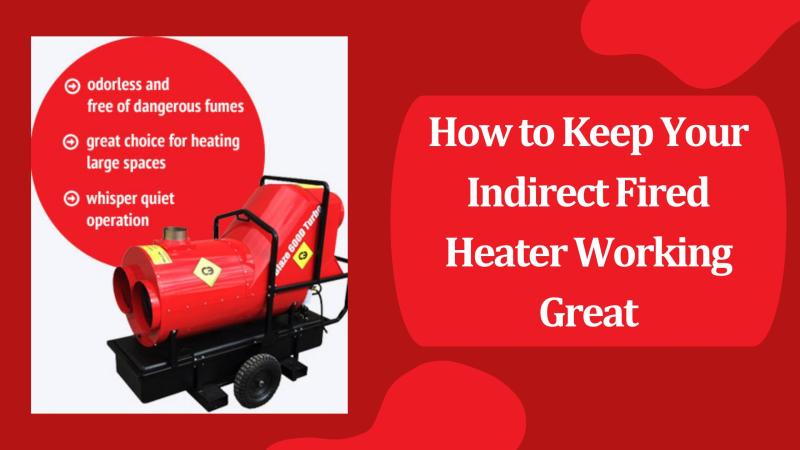
Indirect-fired heaters are essential pieces of equipment in many industrial facilities. By efficiently heating air, steam, or other fluids, they allow important processes to run smoothly and safely. However, like any complex machinery, indirect-fired heaters require regular maintenance and care to deliver optimal performance over decades of service.
In this guide, we'll explore best practices for keeping your indirect-fired heater in excellent working order. Proper operation and upkeep help prevent disruptive breakdowns, improve heater efficiency, and extend the operating life of this vital capital investment.
Understand How Your Indirect Fired Heater Works
To properly maintain your indirect-fired heater, you first need to understand its basic principles of operation. This knowledge helps you spot potential problems and make smart maintenance decisions.
Here's a quick overview of how an indirect heater works:
Fuel (usually natural gas or oil) is combusted in steel tubes called firetubes, releasing heat into them.
The heat from combustion transfers into the walls of the firetubes.
Process fluid (air, steam, thermal oil, etc.) flows around the outside of the firetubes. It absorbs heat through the tube walls and increases in temperature.
The warmed process fluid then flows to the rest of the facility to provide useful heat for operations.
Exhaust created during fuel combustion vents safely to the atmosphere through a stack.
Key components include the burner, firetubes, exhaust stack, process fluid tubes, and heat transfer surfaces. Keeping each part in excellent condition is vital for safe and efficient heating.
Perform Regular Maintenance Inspections
Maintain a schedule of regular inspections and maintenance tasks to spot potential problems before they cause unplanned downtime. Daily, weekly, and monthly checks catch small issues before they become big headaches.
Conduct inspections according to the heater manufacturer's maintenance guidelines. Pay special attention to the following areas:
Daily
Check fuel supply lines and valves for leaks.
Verify burner ignition is smooth and consistent.
Inspect the exterior of the heater for damage or lost parts.
Confirm stack emissions are normal.
Check process fluid pressure and flow.
Log all operating data like fuel use, temperatures, and pressures.
Weekly
Thoroughly inspect all components for damage or wear.
Check for soot buildup, suggesting improper combustion.
Verify flue gas temp is correct.
Lubricate motors and fans.
Monthly
Inspect firetubes internally using a borescope.
Check heat transfer surfaces for fouling.
Test all safety shut-offs and controls.
Check exhaust stack dampers and rain caps.
Document all maintenance tasks and readings. This provides a record of heater condition over time.
Practice Proper Process Control
Closely monitoring and controlling the combustion and heating processes also keeps your indirect-fired heater running in peak form.
Poor process control leads to issues like:
Excess fuel use and wasted energy.
Reduced life of heater components.
Fouling or coking issues.
Emissions problems.
Effective process control includes:
Tuning the fuel-air ratio for clean, efficient combustion.
Managing flue gas temperatures with stack dampers.
Monitoring key process data like differential pressure and fluid outlet temps.
Responding quickly to variances from setpoints.
Optimizing burner firing rate for demand.
High-quality sensors, transmitters, analyzers, controls, and other instrumentation are essential. Often, upgrades here provide major performance and efficiency gains.
Use Quality Fuels and Feedwater
Fuel quality and feedwater purity majorly impact indirect-fired heater operation.
For gas-fired heaters, choose natural gas with low inert contents and stable BTU values. If needed, install gas clean-up equipment like filters and separators.
For oil-fired heaters, use clean #2 fuel oil and treat for contaminants. Ensure viscosity and combustion properties meet manufacturer specifications.
For steam boilers, filtering feedwater removes scale-forming compounds. Oxygen scavenger chemicals also help reduce corrosion. Blowdown removes dissolved solids. Follow your boiler water treatment plan.
High-quality fuels and feedwater prevent fouling, corrosion, and other issues. They also allow burners to operate at peak combustion efficiency.
Perform Regular Tune-Ups
An annual heater tune-up by a qualified technician helps maintain top performance. Tune-ups include:
Disassembling, cleaning, and inspecting the burner.
Refractory and insulation inspections.
Adjusting, repairing, or replacing damaged components.
Touching up protective coatings.
Verifying safe operation of all safety devices and controls.
Conducting combustion analysis and tuning.
Testing and calibrating instrumentation.
Checking stack emissions.
Tune-ups catch small problems before they cause unplanned outages. They also improve combustion efficiency and help extend heater life.
Address Issues Quickly
When you do notice problems via inspections or operational anomalies, address them quickly. Small deficiencies become major when ignored.
For example, a sticky control valve today could mean a serious process disruption tomorrow. Minor soot buildup left unchecked can accelerate tube corrosion.
Develop standard operating procedures for responding to common indirect fired heater issues. Train personnel on proper troubleshooting and repair techniques. Keep spare parts on hand for quick repairs when possible.
Unaddressed maintenance issues lead to inefficiency, breakdowns, and safety hazards. Fixing problems early optimizes heater performance.
Record Operating Data
Maintaining operational logs provides key data to drive maintenance decisions. Important process variables to record include:
Fuel consumption rates
Stack temperatures
Pressures and pressure drops
Fluid inlet and outlet temperatures
Water chemistry readings
Run times and cycle counts
Watching data trends helps spot developing issues like fouling or combustion problems. Data also informs maintenance scheduling and tune-up scope.
Calculate key efficiency metrics using data. This helps identify optimization opportunities and establishes efficiency baselines to compare after upgrades or tune-ups.
Consider Upgrades
For older indirect fired heaters, upgrades can substantially improve efficiency, capacity, and reliability. Common modernizations include:
New burner systems with advanced controls.
Oxygen trim systems for clean combustion.
New heat recovery equipment like economizers.
Stack heat recovery options.
Upgraded instrumentation and controls.
Refractory repairs.
Consult an expert to identify beneficial upgrades for your equipment. Do a cost-benefit analysis to determine payback time.
Upgrades like improved process controls provide better heater operation along with major efficiency gains.
Replace Worn Components
Indirect-fired heater components wear out over years of demanding use. When part replacement is needed, use original OEM or high-quality aftermarket components. Don't skimp here.
Common replacement parts include:
Burners
Fan and blower motors
Thermocouples
Refractory panels
Gaskets
Pressure and temperature sensors
Valves and actuators
Stack rain caps and dampers
Combustion air blowers
Schedule replacements during planned outages to avoid surprises. Have spare parts ready to go.
Partner with Experts
Specialized indirect-fired heater service firms can provide maintenance, optimization, and upgrades for peak performance. Their expertise supplements your team's capabilities.
Experienced service firms provide:
In-depth inspections
Tune-ups and parts replacements
Combustion analysis and optimization
Refractory work
Controls programming
Equipment upgrades and modernization
Personnel training
Look for a service partner with extensive indirect fired heater experience across various industries. Check references and safety track records.
Safety Above All
Any maintenance activity or operational change should first consider personnel safety. Common hazards include:
Burns from hot surfaces or fluids
High voltages associated with equipment
- 1 people like it

Post Your Ad Here
Comments