Key Features to Look for in High-Quality Indirect Fired Heaters
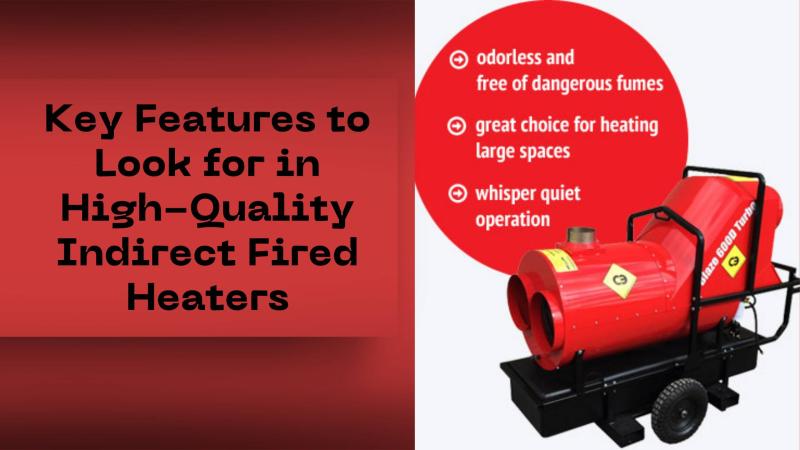
Indirect-fired heaters are essential equipment in various industries, providing safe, efficient, and clean heat. They're popular for construction sites, warehouses, or events because they keep spaces warm without exposing people to harmful fumes. If you're looking to invest in one, understanding the key features that make an indirect-fired heater high-quality is vital. Here, we'll break down everything you should know to make the right choice.
What Are Indirect Fired Heaters?
Indirect-fired heaters are devices that use a heat exchanger to warm the air. They operate by burning fuel in a combustion chamber, where the heat is transferred to air passing through the exchanger. The air released is free from harmful gases like carbon monoxide, making it safe for enclosed spaces. These heaters are commonly used in industries like construction, agriculture, and event management.
Why Choose Indirect Fired Heaters?
Choosing an indirect-fired heater ensures clean and dry heat, ideal for scenarios where air quality matters. They're energy-efficient, versatile, and often portable. Unlike direct-fired heaters, they don't release combustion by-products into the air, making them suitable for people-sensitive environments.
Key Features to Look For
1. Heating Efficiency
Heating efficiency is one of the first aspects to consider. A high-quality indirect-fired heater should provide consistent, even heat while consuming minimal fuel. Look for:
High thermal efficiency: Models with 80% to 90% efficiency ratings are ideal.
BTU rating: Choose a heater with a British Thermal Unit (BTU) rating that matches your space requirements. Larger spaces require higher BTU ratings.
2. Fuel Compatibility
Many indirect-fired heaters run on diesel, propane, or natural gas. Choosing the right fuel type depends on availability and cost. High-quality heaters often support multiple fuel types, giving you flexibility.
3. Durability and Build Quality
The durability of the heater impacts its lifespan and performance. Look for these features:
Stainless steel heat exchanger: Resists rust and corrosion, ensuring long-term use.
Heavy-duty outer casing: Protects the internal components from damage in tough environments.
Reliable insulation: Prevents heat loss and ensures safety.
4. Portability
Portability is essential if you need to move the heater between job sites or areas. Features to look for include:
Wheels and handles: Heavy-duty wheels and ergonomic handles make transportation easier.
Compact design: A space-efficient design is more practical for storage and transport.
5. Safety Features
Safety is a critical concern when using any heating equipment. High-quality indirect-fired heaters often come with the following:
Automatic shut-off: Prevents overheating or damage in case of malfunction.
Flame sensors: Ensure the burner operates safely and shuts off if issues arise.
Tip-over protection: Automatically shuts off the heater if it's knocked over.
Cool-touch exterior: Minimizes the risk of burns during operation.
6. Ventilation and Exhaust Management
Effective ventilation is crucial for indirect-fired heaters. Ensure the heater has the following:
Flexible ducting options: Allows for easy exhaust venting and directing warm air where it's needed.
Low-emission design: Produces minimal exhaust, reducing environmental impact.
7. Temperature Control
Accurate temperature control ensures the heater meets your heating needs without wasting energy. High-quality heaters should have:
Adjustable thermostats: Allow for precise temperature settings.
Digital controls: Make operation intuitive and efficient.
8. Noise Levels
Quiet operation is particularly important in settings like events or indoor spaces. Look for models specifically designed for low noise levels without compromising performance.
9. Maintenance and Ease of Use
Regular maintenance is necessary to keep the heater running efficiently. Choose a model that offers:
Easy access panels: Simplifies cleaning and servicing.
Clear user manual: Guides you through operation and troubleshooting.
Self-diagnostic systems: Identify issues quickly and reduce downtime.
10. Warranty and Customer Support
Reliable manufacturers provide warranties and excellent customer support. Look for:
Comprehensive warranty coverage: Covers parts and labor for at least a year.
Responsive support: A dedicated customer service team can help with installation and maintenance questions.
When to Use Indirect Fired Heaters
Indirect-fired heaters are versatile and can be used in various situations, including:
Construction sites: Keeps workers comfortable and prevents materials from freezing.
Events: Provides safe heating for enclosed spaces like tents or halls.
Agriculture: Helps maintain ideal temperatures in barns, greenhouses, or storage facilities.
Disaster recovery: Ensures warmth in emergency shelters during cold conditions.
Tips for Choosing the Right Indirect Fired Heater
Follow these steps to pick the best heater for your needs:
Assess Your Space Requirements: Measure the size of the area you need to heat and calculate the required BTU rating.
Determine Fuel Availability: Consider which fuel type is most accessible and cost-effective in your region.
Evaluate Safety Needs: Ensure the heater has all necessary safety certifications and features.
Check for Portability: If mobility is important, choose a model with wheels and a compact design.
Read Reviews and Compare Brands: Look for models with good reviews and a reputation for reliability.
Frequently Asked Questions About Indirect Fired Heaters
1. How Do Indirect Fired Heaters Differ From Direct Fired Heaters?
Indirect-fired heaters use a heat exchanger to separate combustion gases from the heated air, making them safer for indoor use. Direct-fired heaters release combustion by-products directly into the air.
2. Are Indirect Fired Heaters Energy-Efficient?
Yes, high-quality indirect-fired heaters are designed for efficient fuel consumption and heat delivery. Look for models with high thermal efficiency ratings.
3. What Maintenance Do Indirect Fired Heaters Require?
Maintenance typically involves cleaning the heat exchanger, inspecting fuel lines, and replacing filters. Always refer to the manufacturer's guidelines.
4. Can I Use Indirect Fired Heaters in Enclosed Spaces?
Yes, indirect-fired heaters are ideal for enclosed spaces because they provide clean air free from harmful gases.
Conclusion
Investing in a high-quality indirect-fired heater is an excellent choice for anyone needing clean, efficient, and safe heating. By focusing on the features listed above—like heating efficiency, durability, safety, and portability—you can ensure your heater performs reliably in any setting. Preferred Climate Solutions offers top-notch equipment designed to meet your heating needs, helping you find the perfect model for your application. Always assess your specific needs and compare options to make the right choice.

Post Your Ad Here
Comments